Apple’s iPhone 18 Release Strategy Just Took a Surprising Turn
Key Takeaways
- •iPhone 18 retains iPhone 17 design, smaller Dynamic Island.
- •A18 chip on 2 nm process boosts speed and efficiency.
- •Apple adds C2 in‑house modem, cutting third‑party reliance.
- •12 GB RAM supports on‑device AI and richer AR experiences.
- •Staggered rollout: Pro/foldable late 2026, base spring 2027.
Pulse Analysis
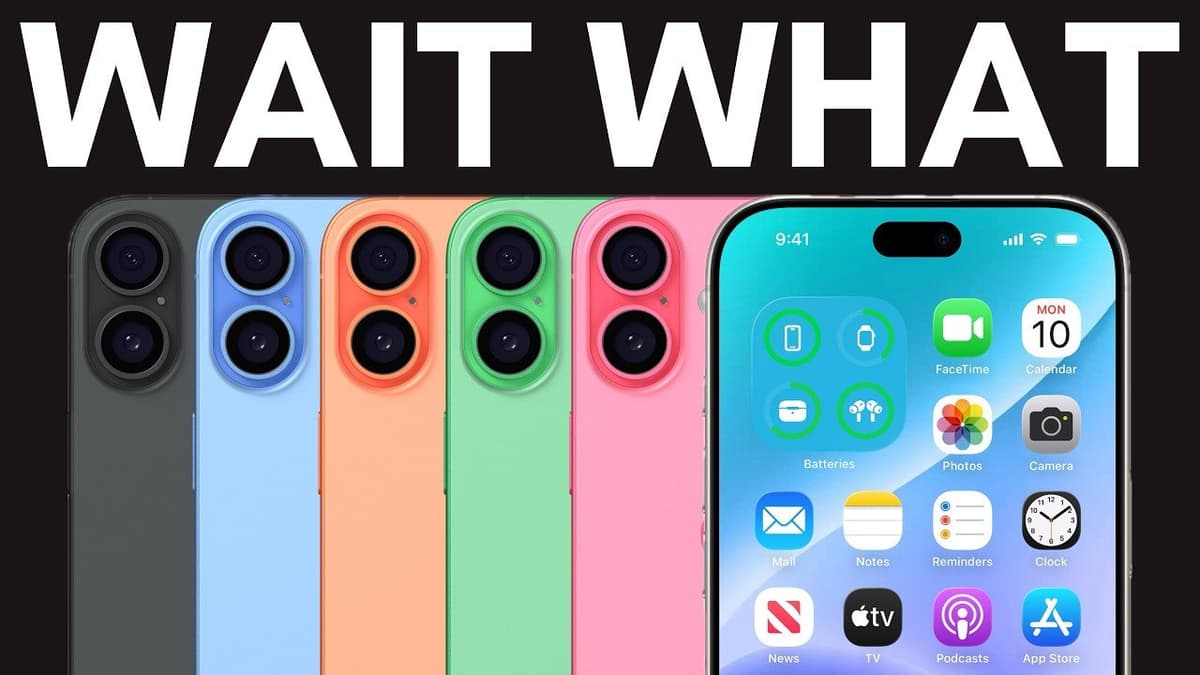
Apple’s decision to keep the iPhone 18’s exterior almost identical to the iPhone 17 signals a deliberate shift from headline‑grabbing redesigns to a refinement‑first philosophy. By trimming the Dynamic Island and expanding the color palette, the company offers a fresh visual cue without alienating users accustomed to the current form factor. This continuity reduces tooling costs and accelerates time‑to‑market, while still delivering a sense of novelty through subtle tweaks. For a premium brand, preserving a recognizable silhouette reinforces ecosystem loyalty and eases the transition for existing accessory owners.
The heart of the iPhone 18 lies in its silicon. The new A18 processor, fabricated on an industry‑leading 2 nm node, promises up to 20 percent higher single‑core performance and markedly better power efficiency compared with the A17. Coupled with a home‑grown C2 modem, Apple gains tighter control over 5G latency and can roll out carrier‑specific features faster. Memory also jumps to 12 GB, a leap that unlocks more sophisticated on‑device machine‑learning models and smoother augmented‑reality rendering. Together, these upgrades future‑proof the device for emerging AI‑driven apps.
Perhaps the most striking change is Apple’s staggered launch cadence. By debuting the Pro and rumored foldable variants in late 2026 and reserving the base model for spring 2027, the firm spreads consumer excitement across two fiscal quarters and mitigates internal cannibalization. The phased rollout eases pressure on component suppliers, a prudent move given recent global chip shortages. It also allows Apple to price‑differentiate more aggressively, positioning the Pro line as a premium, early‑adopter offering while keeping the base model accessible later. This strategy could smooth revenue streams and sustain brand momentum through the year.
Apple’s iPhone 18 Release Strategy Just Took a Surprising Turn
Comments
Want to join the conversation?