Why It Matters
Independent verification from a respected research institute can de‑risk investment and accelerate commercial rollout of solid‑state batteries, a potential game‑changer for electric vehicles and grid storage.
Key Takeaways
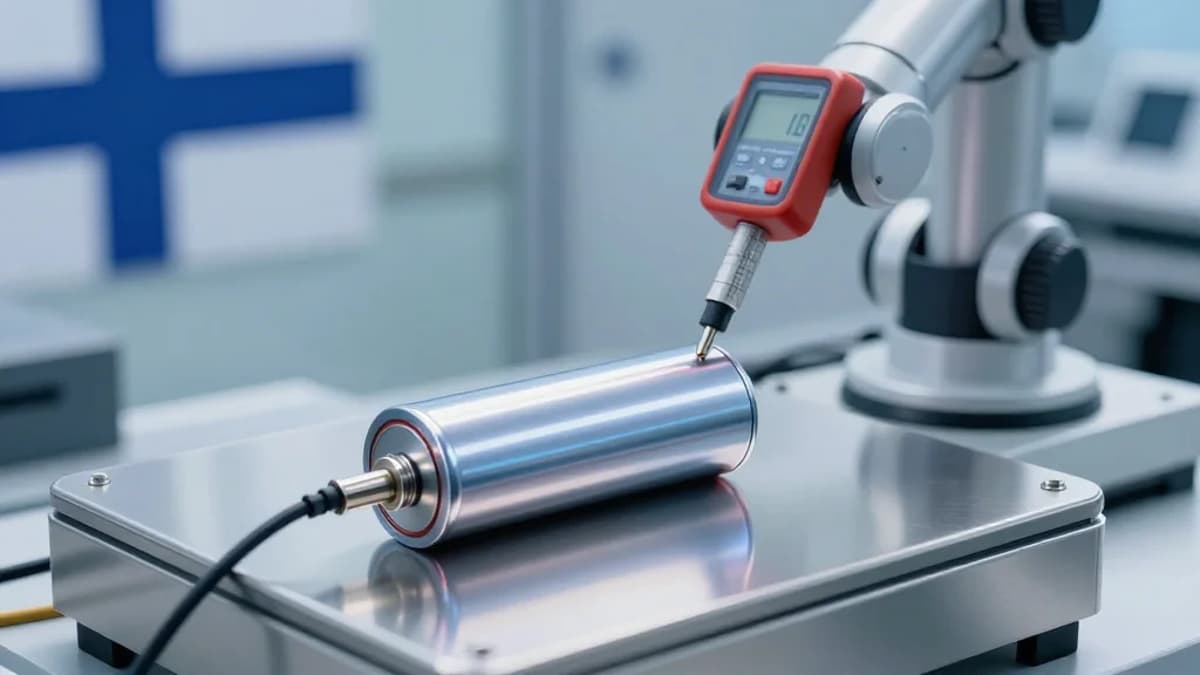
- •Donut Lab hired VTT for independent battery testing
- •Tests focus on performance and key characteristics
- •Full reports and videos will be released publicly
- •Validation could accelerate solid‑state battery adoption
- •Market awaits credible data on new battery technology
Pulse Analysis
Solid‑state batteries have been heralded as the next leap in energy storage, promising higher energy density, faster charging, and improved safety over conventional lithium‑ion cells. Yet, despite years of hype, the industry has struggled to deliver verifiable performance data at scale, leaving automakers and investors cautious. Independent testing is essential to separate genuine breakthroughs from incremental improvements, and to address lingering concerns about manufacturing yield, cycle life, and thermal stability. By commissioning VTT, Donut Lab is positioning its technology within a rigorous scientific framework that could set a new benchmark for the sector.
VTT’s reputation as a leading European research centre adds credibility to the evaluation process. Its methodology includes standardized charge‑discharge cycles, temperature stress tests, and detailed material analysis, all captured in transparent video documentation. Such openness not only satisfies skeptical stakeholders but also creates a reusable data set for comparative studies across the emerging solid‑state ecosystem. For investors, third‑party validation reduces technical risk, potentially unlocking larger funding rounds and partnership opportunities with OEMs seeking to differentiate their electric‑vehicle platforms.
If the forthcoming reports confirm the claimed performance gains, the ripple effects could be substantial. Automakers may accelerate integration plans, battery manufacturers could prioritize solid‑state production lines, and policy makers might adjust incentive structures to favor higher‑efficiency storage solutions. Conversely, modest results would temper expectations and reinforce the need for continued R&D. Either outcome will shape market narratives, guide capital allocation, and influence the timeline for when solid‑state batteries move from prototype labs to mass‑market products.
Are Solid State Batteries Finally Here?
0
Comments
Want to join the conversation?
Loading comments...