Blink Cameras Explained: The Amazon Security Brand
Key Takeaways
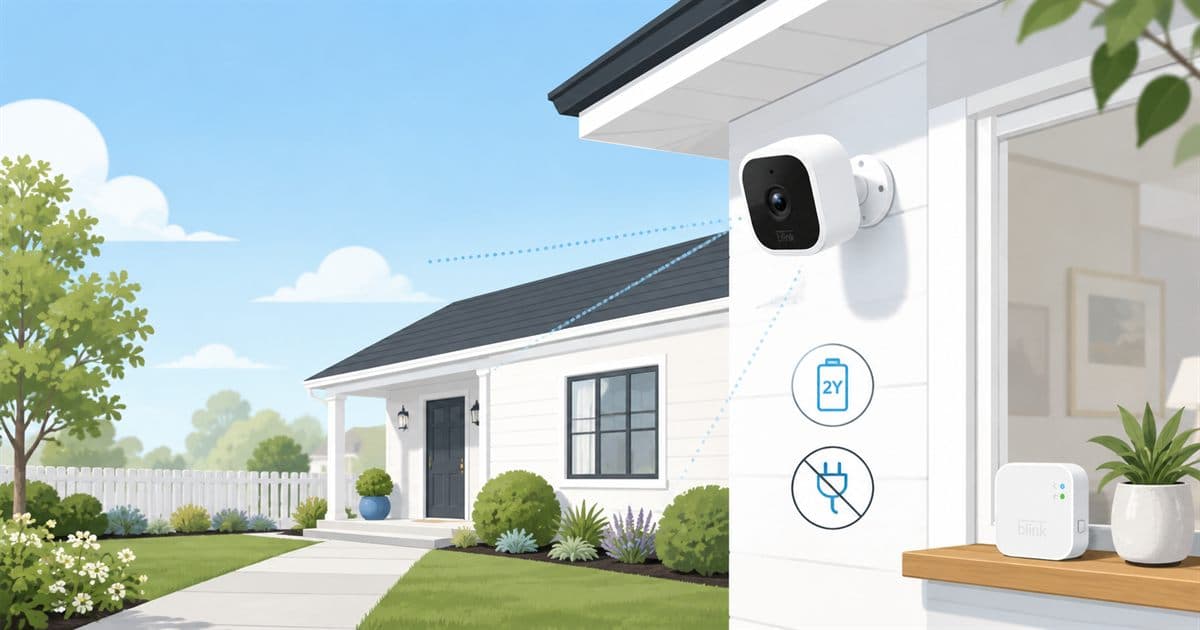
- •Battery lasts up to two years on AA cells
- •Local USB storage eliminates subscription fees
- •New 2K models improve image quality for $50‑$90
- •Alexa integration enables voice‑controlled live view
- •Wyze is main budget rival; Blink prioritizes simplicity
Pulse Analysis
The budget security‑camera segment has exploded as homeowners seek low‑maintenance protection without hefty subscription fees. Blink leverages Amazon’s supply chain to keep prices under $100 while delivering the industry‑leading two‑year battery life that eliminates the need for frequent recharging or wiring. This set‑and‑forget proposition, combined with the recent 2K video upgrade, narrows the quality gap with premium brands and makes smart‑home entry points more accessible.
Privacy concerns are a decisive factor for many consumers, and Blink addresses them by offering local USB storage through its Sync Module. This option lets users bypass cloud archives entirely, reducing exposure to Amazon’s data collection practices. However, the cameras remain tightly integrated with Alexa, meaning voice commands and firmware updates still travel through Amazon’s servers. Users who prioritize privacy can mitigate risks by disabling cloud features, using strong passwords, and enabling two‑factor authentication.
Competitive pressure comes from Wyze, Ring, and Arlo, each targeting different price‑performance sweet spots. Wyze undercuts Blink on price but lacks the two‑year battery guarantee, while Ring offers richer AI detection at a higher cost. Arlo’s premium models provide advanced analytics but are out of reach for budget shoppers. Blink’s niche—affordable, long‑lasting, Alexa‑ready cameras—positions it as a gateway product that can funnel users deeper into Amazon’s ecosystem, a strategic advantage as the smart‑home market continues its rapid growth.
Blink Cameras Explained: The Amazon Security Brand
Comments
Want to join the conversation?