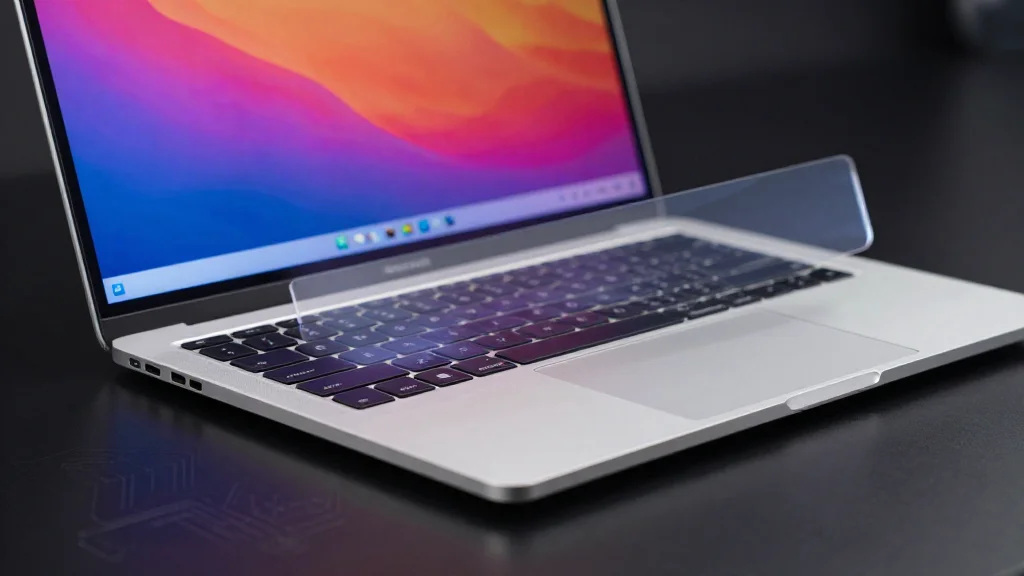
FreeBSD Foundation Executive Director Tries Daily Driving FreeBSD On Laptop

Key Takeaways
- •Framework Laptop runs FreeBSD with functional touchscreen and KDE desktop
- •Zoom video calls initially failed but were eventually fixed
- •Webcam required manual enablement; Teams only partially functional
- •Daily 10‑minute usage proved FreeBSD viable on modern hardware
- •FreeBSD foundation highlights progress in laptop support after two years
Pulse Analysis
FreeBSD’s push into the laptop market reflects a strategic effort to broaden its appeal beyond servers and embedded devices. Over the past two years, contributors have tackled power management, driver integration, and desktop environment polish, with KDE emerging as the flagship UI for a more user‑friendly experience. By selecting the modular Framework laptop, Goodkin tested a device that prioritizes repairability and component flexibility, providing a realistic benchmark for how FreeBSD handles modern hardware features such as touchscreens and Wi‑Fi adapters.
The hands‑on trial revealed both successes and friction points. Core functionalities—keyboard, trackpad, and the KDE desktop—operated seamlessly, while the touchscreen responded out of the box. However, popular collaboration tools like Zoom required configuration tweaks before video calls could connect, and the webcam needed manual driver activation. Microsoft Teams ran only in a limited capacity, highlighting gaps in proprietary software support. These hurdles, though notable, were mitigated through community resources and incremental patches, illustrating the collaborative nature of the FreeBSD ecosystem.
From a business perspective, Goodkin’s daily‑driver experiment serves as a proof‑point for enterprises evaluating BSD alternatives for secure, stable workstations. Reliable laptop performance can lower total cost of ownership by extending hardware lifespans and reducing reliance on vendor‑locked ecosystems. Moreover, the visibility gained at the Open Source Summit amplifies FreeBSD’s brand, potentially attracting new contributors and commercial partners. As the project continues to refine hardware compatibility, the OS is poised to become a credible contender in the portable workstation segment, offering the robustness of BSD with the convenience of modern laptop usability.
FreeBSD Foundation Executive Director Tries Daily Driving FreeBSD On Laptop
Comments
Want to join the conversation?