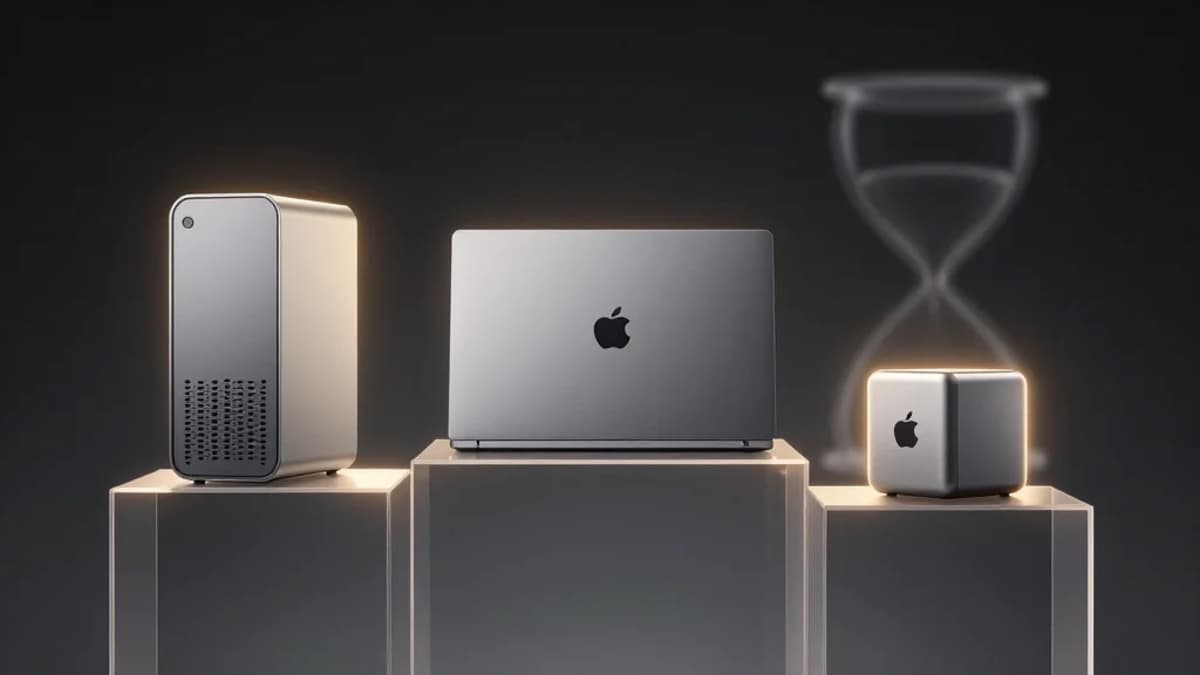
Here’s Why Demand for Macs Has Spiked
•February 24, 2026
0
Why It Matters
Extended lead times signal strong market appetite for Apple’s AI‑enabled hardware, potentially reshaping pricing and supply‑chain dynamics. Competitors must reassess their own product roadmaps as Apple captures high‑margin professional users.
Key Takeaways
- •Mac lead times reach 2‑4 weeks US
- •Mac Studio wait 27 days, longest
- •M4 MacBook Pro 23‑day lead time
- •OpenClaw fuels unprecedented Mac demand
- •Resale market likely to surge
Pulse Analysis
Apple’s recent surge in Mac demand reflects a broader shift toward AI‑centric computing. The introduction of OpenClaw, a personal‑AI platform optimized for Apple silicon, has ignited interest among developers, creators, and enterprise users who need on‑device processing power. This enthusiasm translates into longer back‑order periods across the portfolio, with the Mac Studio—Apple’s flagship desktop for intensive workloads—now facing a 27‑day wait. The ripple effect extends to the MacBook Pro equipped with the new M4 chip and the compact Mac Mini, underscoring that the appetite isn’t limited to a single segment.
Supply‑chain implications are immediate. Apple’s traditionally tight inventory management is being tested as component shortages meet soaring orders. While the company can leverage its premium pricing power, prolonged shortages risk inflating secondary‑market prices and may prompt resellers to capitalize on scarcity. Moreover, Apple’s ability to maintain product quality while scaling production will be scrutinized by analysts, especially as competitors like Microsoft and Dell accelerate their own AI‑ready hardware offerings.
Looking ahead, the sustained demand for AI‑ready Macs could reshape Apple’s product strategy. Continued investment in custom silicon and AI accelerators may become a core differentiator, prompting earlier refresh cycles and potentially expanding the Mac lineup to address niche professional markets. Investors should monitor inventory trends, pricing adjustments, and Apple’s response to component constraints, as these factors will influence revenue forecasts and market share in the increasingly AI‑driven computing landscape.
Here’s why demand for Macs has spiked
0
Comments
Want to join the conversation?
Loading comments...