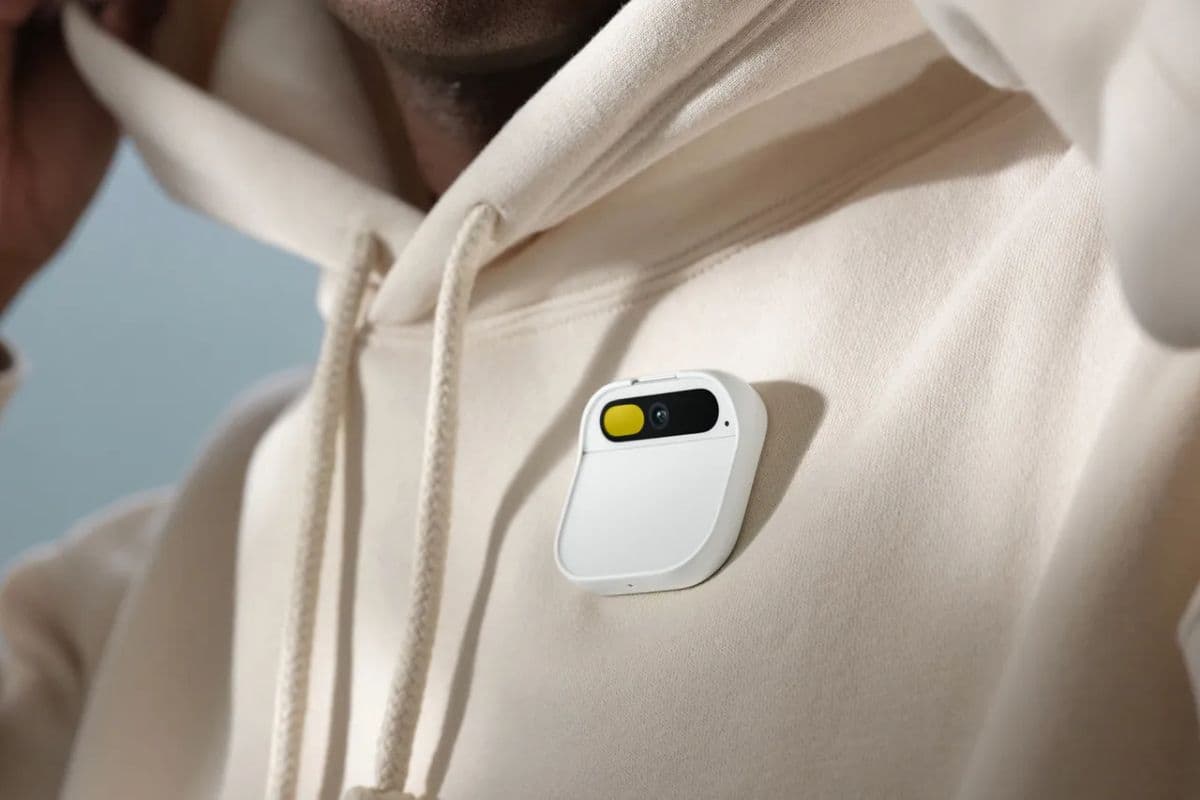
Humane Ai Pin Hacks Turn the Discontinued Gadget Into a Standalone Android-Powered Gadget
Key Takeaways
- •PenumbraOS jailbreaks Ai Pin, enabling offline Android functionality
- •Custom interposer hardware required to install PenumbraOS
- •FusionOS adds visual UI and AI assistant integration
- •Community tools sync contacts, battery, and media to smartphones
- •Revived Ai Pin supports OpenAI, Anthropic, Gemini AI services
Pulse Analysis
The Humane Ai Pin entered the market in 2024 as a minimalist wearable that combined a microphone, a 13‑megapixel depth camera, and a green‑laser projector to deliver an on‑hand AI companion. Powered by a Snapdragon 720G, 4 GB of RAM and 32 GB of storage, the device promised seamless voice‑first interactions while tethered to Humane’s cloud services. However, less than a year later the company halted production and shut down its servers, leaving owners with a non‑functional gadget and a niche that competitors such as Apple and Meta have yet to fill.
Within weeks of the shutdown, independent developers released PenumbraOS, an open‑source jailbreak that exploits a latent Android vulnerability to restore full system control. By attaching a DIY or commercially‑available interposer, users can flash the custom firmware via the PenumbraOS Center web portal, effectively converting the Pin into a self‑contained Android device. The platform supports third‑party large‑language‑model providers—including OpenAI, Anthropic and Google Gemini—allowing the wearable to run AI queries locally without routing data through Humane’s servers. This revival not only extends the hardware’s lifespan but also showcases the power of community‑driven firmware in repurposing niche tech.
Another community effort, FusionOS, builds on the unlocked hardware by delivering a graphical interface on the Pin’s projector, complete with clock, weather, notifications and phone‑call controls. The UI can launch apps or hand off voice requests to Gemini, effectively turning the tiny projector into a heads‑up display for everyday tasks. These projects illustrate a broader trend: as manufacturers abandon marginal wearables, open‑source ecosystems can breathe new life into abandoned devices, creating micro‑markets for accessories and services while pressuring original vendors to consider longer‑term support strategies.
Humane Ai Pin hacks turn the discontinued gadget into a standalone Android-powered gadget
Comments
Want to join the conversation?