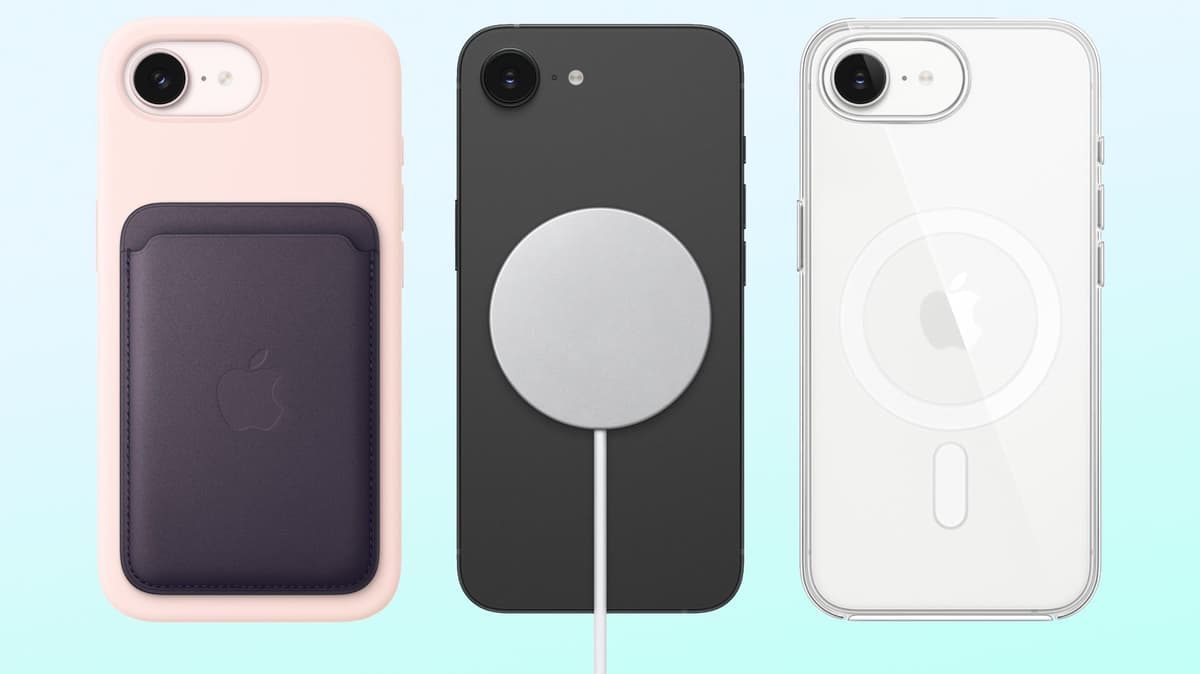
I’m Starting to Wonder What They’re Smoking Over There at MacRumors
Key Takeaways
- •Apple debates keeping MagSafe as standard iPhone feature.
- •iPhone 16e omitted MagSafe; iPhone 17e reinstated it.
- •Upcoming iPhone Ultra may launch without MagSafe due to thin design.
- •Cost‑cutting rumors suggest iPhone 18 could lose MagSafe on base model.
- •Qi2 standard relies on MagSafe specs, making full removal unlikely.
Pulse Analysis
Since its debut with the iPhone 12 in 2020, MagSafe has become more than a convenience—it’s a platform that spurred a thriving ecosystem of wallets, cases, stands and chargers. By embedding a ring of magnets, Apple created a de‑facto standard that third‑party manufacturers quickly adopted, turning wireless charging into a premium experience and generating a multi‑billion‑dollar accessory market. The technology also underpins Qi2, the open wireless‑charging protocol now embraced across Android and other devices, cementing MagSafe’s influence beyond Apple’s own products.
Recent leaker Instant Digital claims internal discussions are questioning MagSafe’s cost versus its ecosystem value. The iPhone 16e’s brief removal of the feature, followed by the iPhone 17e’s reversal, illustrates Apple’s willingness to experiment when design constraints or pricing pressures mount. Rumors that the ultra‑thin iPhone Ultra—projected to start around $2,000—might lack the magnet array, and that the base iPhone 18 could be downgraded to save costs, suggest a possible tiered approach: retaining MagSafe only on higher‑end models while relying on magnet‑embedded cases for budget devices. Such a shift would align with Apple’s historical pattern of feature segmentation.
If Apple trims MagSafe, accessory makers could face a fragmented market, forcing them to design dual‑compatible products or pivot to Qi2‑only solutions. However, because Qi2 inherits MagSafe’s magnetic layout, a complete abandonment appears unlikely; the industry would lose a proven, interoperable standard. For investors and suppliers, the key takeaway is that any change will ripple through supply chains, pricing strategies, and consumer adoption rates, making the outcome of Apple’s internal debate a critical watch point for the broader mobile‑hardware landscape.
I’m Starting to Wonder What They’re Smoking Over There at MacRumors
Comments
Want to join the conversation?