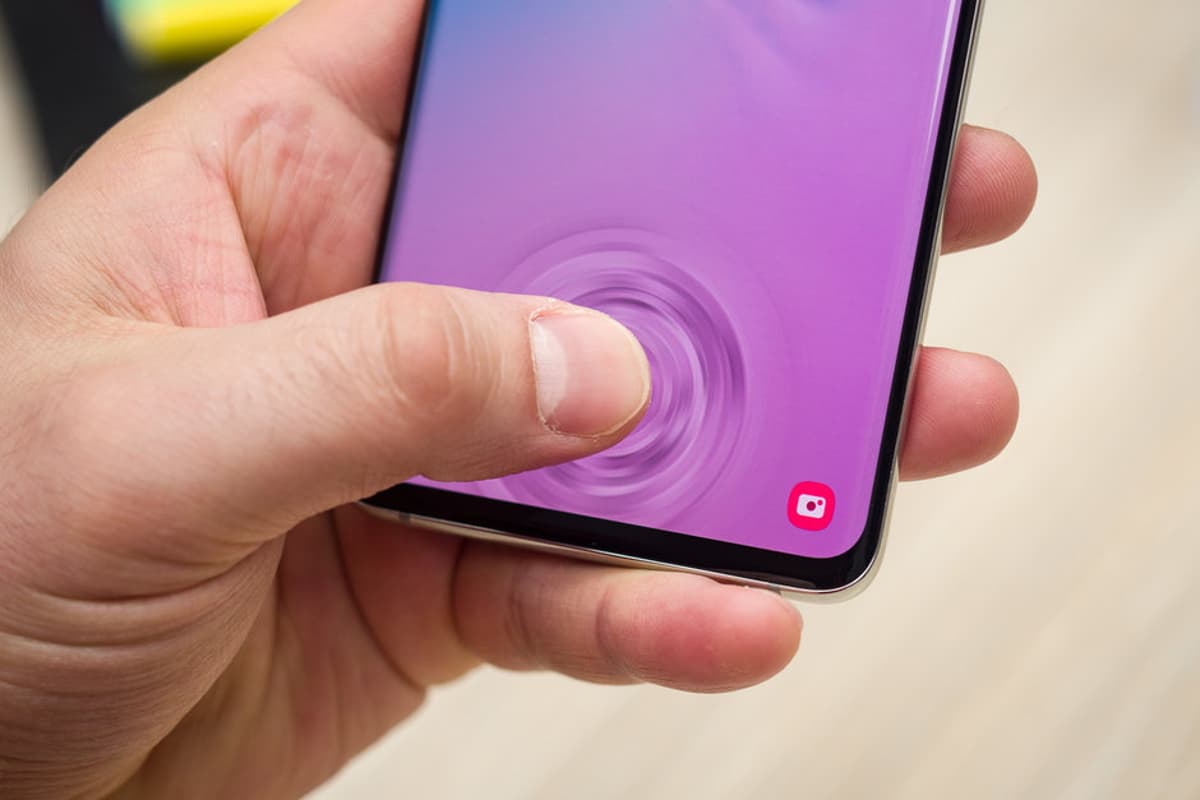
It’s Time to Kill Slow Fingerprint Scanners on All Phones over $300
•February 24, 2026
0
Why It Matters
Persisting with inferior biometric hardware hurts user experience and erodes brand differentiation, while emerging face‑unlock technology could reset security expectations across price tiers.
Key Takeaways
- •Ultrasonic sensors cost $8‑10, optical $2 per unit.
- •Xiaomi ships $300 phone with ultrasonic scanner, flagship chip.
- •Samsung, Google still use optical scanners in $400‑700 models.
- •Face ID offers consistent security; Apple eliminates fingerprint sensors.
- •Google rumored to launch advanced face unlock on Pixel 11.
Pulse Analysis
The cost gap between ultrasonic and optical fingerprint sensors is narrower than many assume. While optical units hover around $2 per device, ultrasonic modules run $8‑10, a single‑digit difference that translates to a marginal price increase on phones retailing between $300 and $800. For manufacturers, the decision isn’t purely financial; it reflects a trade‑off between component simplicity and user experience. Consumers now expect instant, reliable unlocking, a standard that optical scanners struggle to meet, especially under wet or low‑light conditions.
Competitive pressure is mounting as Xiaomi proves the viability of premium biometrics at budget prices. The Redmi Turbo 5 Max, priced near $300, pairs an ultrasonic sensor with a flagship Dimensity 9500s chipset and a massive 9,000 mAh battery, setting a new benchmark for value. In contrast, Samsung’s Galaxy S25 FE and Google’s Pixel 10a, both priced $400‑700, persist with slower optical readers, risking brand perception among tech‑savvy buyers. Apple’s abandonment of fingerprint technology in favor of Face ID further highlights the market shift toward more secure, frictionless authentication.
Looking ahead, Google’s rumored “iPhone‑level” face unlock for the Pixel 11 could accelerate the phase‑out of optical scanners across Android. If the technology proves secure, affordable, and adaptable to devices like Chromebooks, competitors will be forced to upgrade or risk losing market share. The industry stands at a crossroads where user expectations, marginal component cost differences, and emerging facial recognition solutions converge, making the retirement of slow optical fingerprint scanners not just desirable but inevitable.
It’s time to kill slow fingerprint scanners on all phones over $300
0
Comments
Want to join the conversation?
Loading comments...