Lilbits: Pebble Time 2 Smartwatch Adds Touchscreen App Support, Entry-Level Pixel 11 Could Have Less RAM than Pixel 10
Key Takeaways
- •Pebble Time 2 gains first touchscreen‑enabled apps via PebbleOS update.
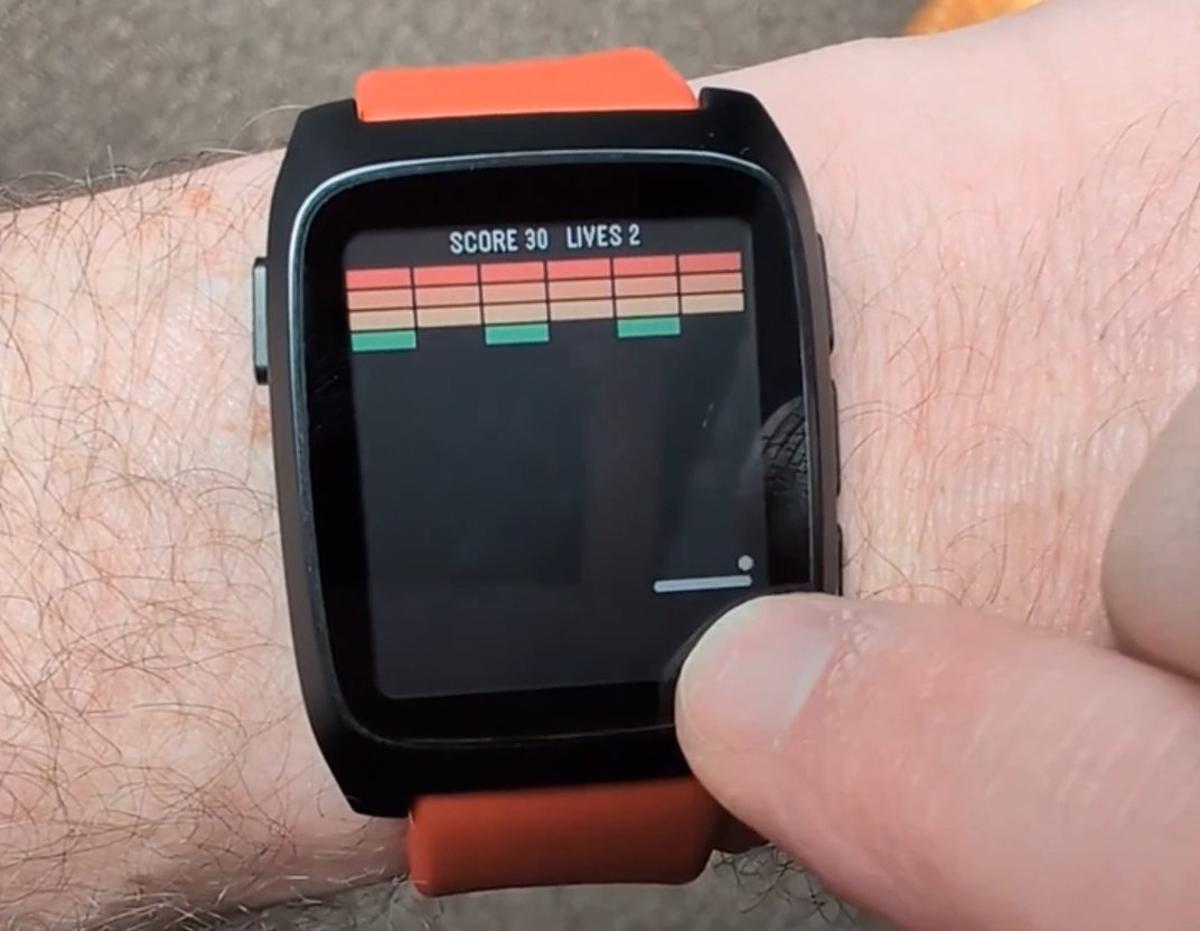
- •Core Devices releases timer, calculator, Breakout, mini‑golf, castle‑defense apps.
- •Rumored Pixel 11 entry model may ship with less RAM than Pixel 10.
- •Pixel 11 may drop temperature sensor, IR camera; Pro adds RGB LED bar.
Pulse Analysis
The Pebble Time 2, the latest offering from Core Devices, finally breaks the series’ long‑standing limitation by supporting touch input. After a decade of relying on button‑only navigation, the new PebbleOS 3.0 release adds an API that lets developers ship native touchscreen apps directly to the watch’s e‑ink display. Early releases—a timer, calculator, Breakout clone, mini‑golf, and a castle‑defense game—show that even simple utilities can feel fresh on a low‑cost platform. By modernizing its software while keeping hardware prices near $30‑$40, Pebble aims to recapture budget‑conscious consumers who have drifted to Apple or Samsung ecosystems.
Across the smartphone aisle, Google appears to be tightening specifications for its upcoming Pixel 11 entry‑level model. Industry analysts cite a global RAM shortage as the catalyst for a potential downgrade from the 8 GB baseline of the Pixel 10 to 6 GB or even 4 GB. The rumored omission of a temperature sensor and infrared face‑unlock module further trims bill‑of‑materials costs. If confirmed, the move signals that even premium brands must adapt to component scarcity, which could translate into lower retail prices but also a perceptible dip in flagship‑level performance.
Both developments underscore a broader shift toward cost‑efficiency without abandoning user experience. Pebble’s touchscreen upgrade leverages software to extend the life of legacy hardware, while Google’s spec adjustments reflect supply‑chain realities that force manufacturers to prioritize core features. For investors and developers, the key takeaway is that differentiation will increasingly hinge on ecosystem support and rapid software iteration rather than raw hardware specs. As component constraints persist, companies that can deliver meaningful updates on existing platforms are likely to maintain relevance in a crowded market.
Lilbits: Pebble Time 2 smartwatch adds touchscreen app support, entry-level Pixel 11 could have less RAM than Pixel 10
Comments
Want to join the conversation?