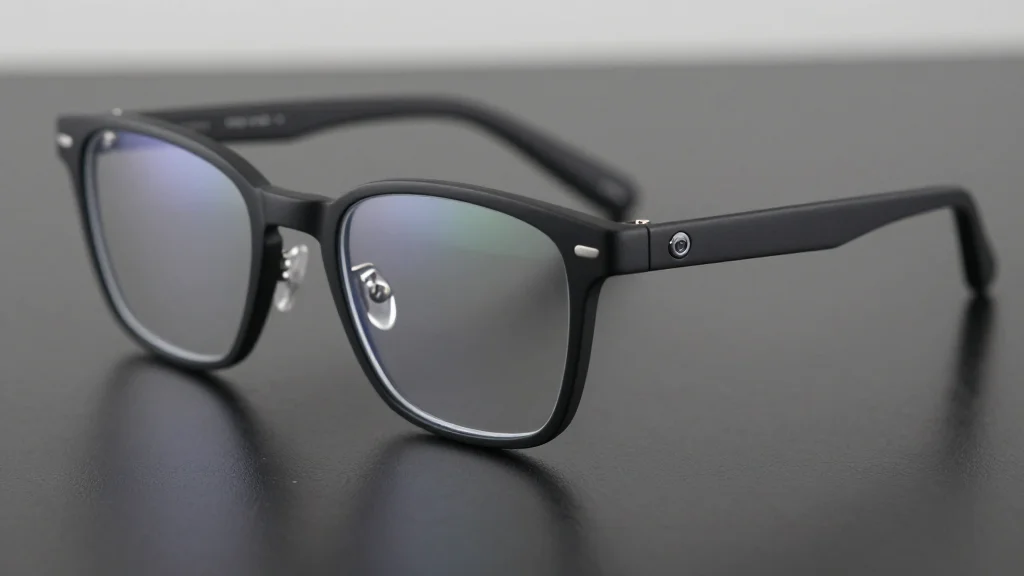
Ray-Ban Meta Prescription Glasses: What You Need to Know
Key Takeaways
- •Blayzer and Scriber start at $499, frame only.
- •Rx range –6.00 to +4.00, supports single‑vision, progressive, Transitions.
- •Over‑extension hinges, swappable nose pads, optician‑adjustable temple tips improve fit.
- •Vision‑insurance, FSA, HSA accepted at LensCrafters and Sunglass Hut.
- •Retrofit lenses cost $45‑$210, viable for stronger prescriptions.
Pulse Analysis
Smart‑glass adoption has long been throttled by a mismatch between high‑tech frames and the ergonomic needs of prescription wearers. Early Ray‑Ban Meta models, while technologically impressive, forced users to compromise on fit, especially those with stronger prescriptions or larger facial structures. By engineering frames around optical requirements first, Meta is addressing a pain point that has kept many potential buyers on the sidelines, positioning its wearables as a viable daily accessory rather than a niche gadget.
The new Blayzer Optics and Scriber Optics Gen 2 frames bring a suite of fit‑focused innovations—over‑extension hinges that lighten temple pressure, swappable nose pads for bridge customization, and optician‑adjustable temple tips that can be fine‑tuned on the spot. Priced at $499 for the frame alone, they sit above the standard entry price but benefit from vision‑insurance, FSA and HSA reimbursements, effectively narrowing the total cost gap with third‑party retrofit kits that range from $45 to $210. For users whose prescriptions fall within the –6.00 to +4.00 range, the one‑stop shop experience at LensCrafters or Sunglass Hut simplifies acquisition and eliminates the need for post‑purchase lens modifications.
Industry analysts see this move as a strategic push to broaden the smart‑glass market beyond early adopters. By eliminating fit barriers and leveraging health‑spending accounts, Meta can capture a segment of consumers who view eyewear as a health expense rather than a discretionary tech purchase. The prescription‑first approach also pressures competitors to prioritize ergonomics in their own wearable designs, potentially accelerating innovation across the AR and AI‑enabled eyewear space. As adoption scales, Meta’s data ecosystem stands to gain richer user interactions, reinforcing its position in the emerging metaverse hardware landscape.
Ray-Ban Meta Prescription Glasses: What You Need to Know
Comments
Want to join the conversation?