Some Sick Wearable Projects | Out-Of-Pocket
Key Takeaways
- •Hackathon produced seven wearable‑focused healthcare prototypes in 36 hours
- •Projects target children, seniors, and chronic disease management
- •Real‑time AI detection of delirium aims to reduce missed cases
- •Smart‑glass wound assessment tackles $22.5 B Medicare wound cost
- •Wearable data integration gains investor interest after $10 B Whoop valuation
Pulse Analysis
The consumer wearable market has evolved from fitness tracking to a cornerstone of clinical monitoring, with global shipments projected to exceed 500 million units by 2027. High‑profile funding rounds—Whoop’s $10 billion valuation and Oura’s pending IPO—signal investor confidence that sensor‑rich devices can generate actionable health data. Healthcare providers are increasingly seeking continuous, real‑world measurements to complement episodic visits, especially for chronic conditions such as diabetes, sleep disorders, and cardiovascular risk. This convergence of capital, data fidelity, and clinical demand creates fertile ground for rapid hardware innovation.
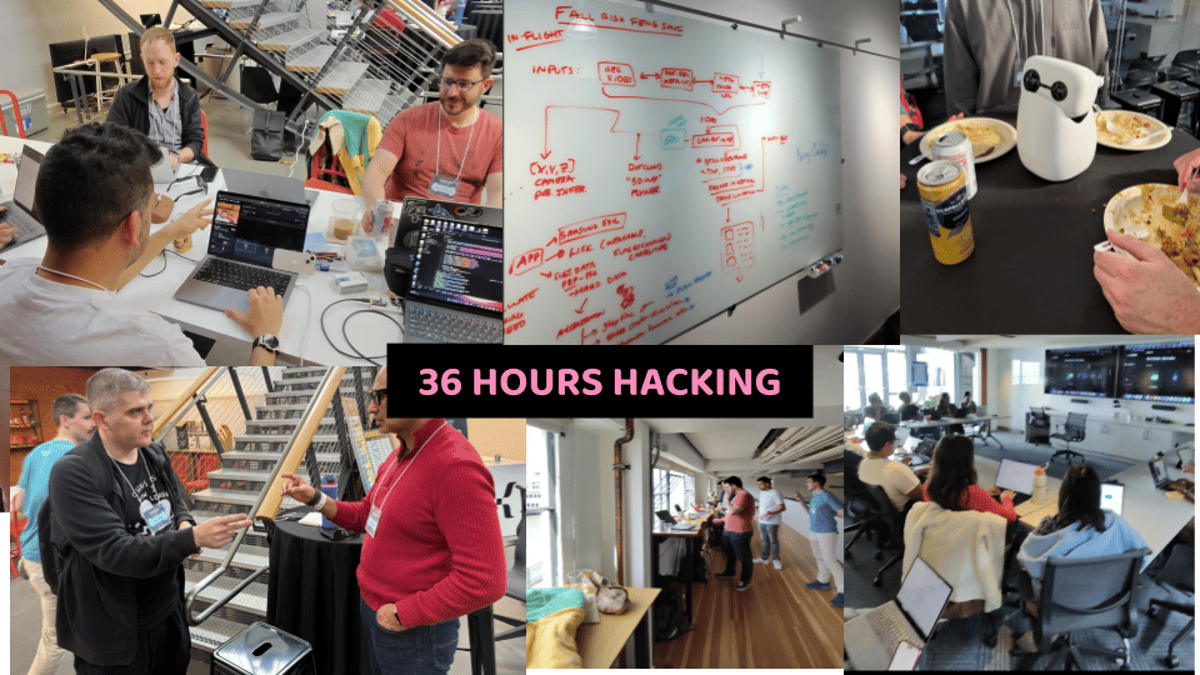
The recent Out‑of‑Pocket Health hackathon turned that momentum into tangible prototypes within a single weekend. Teams built PikaPal, a child‑friendly AI coach that syncs data from Oura, WHOOP and CGMs into a Pokémon‑styled interface, and Vigil, an ambient audio system that flags delirium in real time using Anthropic’s Claude model. Other entries included Woond, which equips Meta Ray‑Ban glasses with AI‑driven wound staging to address the $22.5 billion Medicare wound‑care burden, and Nolly, a fall‑prevention robot that integrates vision and wearable alerts for seniors. Each solution demonstrates how existing consumer hardware can be repurposed for clinical workflows with minimal development time.
These rapid‑prototype models signal a shift toward collaborative, open‑innovation ecosystems where startups, device manufacturers, and health systems co‑create value. While regulatory pathways for AI‑augmented wearables remain complex, early‑stage validation in hackathon settings can de‑risk later clinical trials and attract venture capital. As more data streams converge—sleep, glucose, activity, and even facial cues—companies that can seamlessly integrate and interpret them will likely dominate the next wave of digital therapeutics and remote patient monitoring.
Some sick wearable projects | Out-Of-Pocket
Comments
Want to join the conversation?