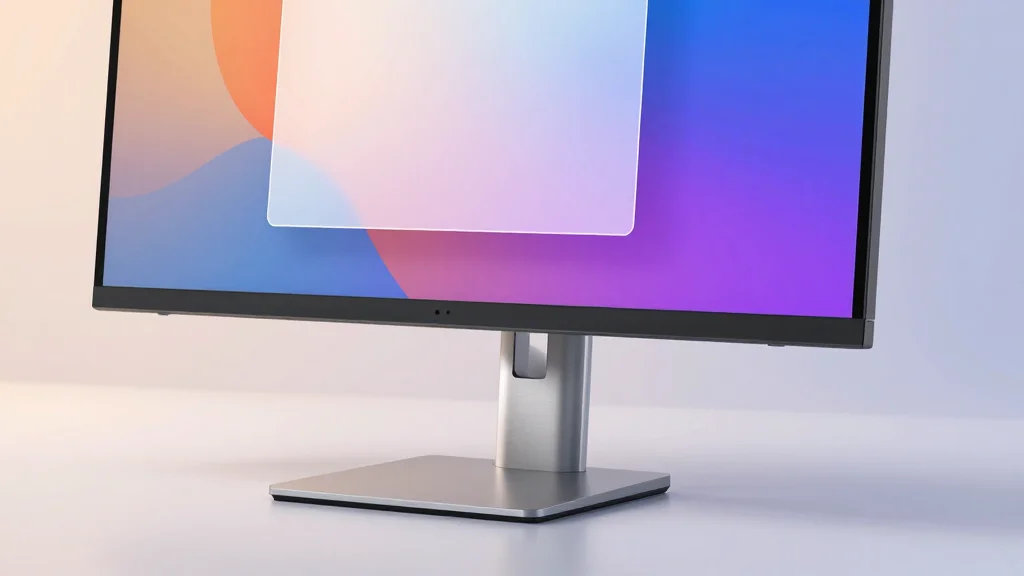
Tahoe’s UI Issues Have Nothing to Do With Display Technology, and Maybe, Just Maybe, We Should Stop Assuming Gurman Knows Anything About Apple’s Vision Hardware Roadmap
Key Takeaways
- •macOS 26 “Tahoe” UI flaws stem from design, not display type.
- •OLED MacBooks expected late 2024‑2025, after macOS 27 release.
- •Apple’s $3,300 Studio Display XDR uses Mini‑LED, not OLED.
- •Gurman’s Vision Pro timeline predictions have missed multiple launches.
- •macOS 27 is expected to overhaul transparency and shadow issues.
Pulse Analysis
The macOS 26 "Tahoe" update has sparked a heated debate over its visual fidelity. While Mark Gurman linked the UI's transparency glitches to the prevalence of LCD panels in current Macs, most UI experts point to a mismatch between the Liquid Glass design language—originally crafted for OLED‑rich iPhones—and the larger, less flexible desktop environment. LCD panels simply cannot render the same depth of translucency, but the core issue remains the translation of a mobile‑first aesthetic to a desktop workflow, which has resulted in reduced readability and visual clutter.
Apple’s hardware roadmap further complicates the narrative. The recently launched Studio Display XDR, priced at $3,300, employs Mini‑LED technology, underscoring that Apple’s primary Mac displays are still not OLED. Rumors of OLED‑based MacBooks are slated for late 2024 or early 2025, likely after macOS 27 ships, meaning the upcoming OS will still run on existing LCD and Mini‑LED hardware. Meanwhile, Gurman's forecasts for Vision Pro iterations have repeatedly missed the mark, with the second‑generation headset already shipping in October 2025 despite his earlier claims it would arrive in 2026. This pattern raises questions about the reliability of his sources for Apple’s AR/VR timeline.
Looking ahead, macOS 27 is expected to address the most glaring UI complaints by dialing back excessive transparency and refining shadow rendering. Developers should prepare for API adjustments that prioritize performance on both LCD and future OLED screens. For investors and enterprise buyers, the upcoming OS refresh signals Apple’s acknowledgment of user feedback, while the delayed OLED rollout suggests a cautious approach to hardware innovation. The convergence of UI redesign and hardware evolution will shape Apple’s competitive stance in the productivity and emerging mixed‑reality markets.
Tahoe’s UI Issues Have Nothing to Do With Display Technology, and Maybe, Just Maybe, We Should Stop Assuming Gurman Knows Anything About Apple’s Vision Hardware Roadmap
Comments
Want to join the conversation?