Why It Matters
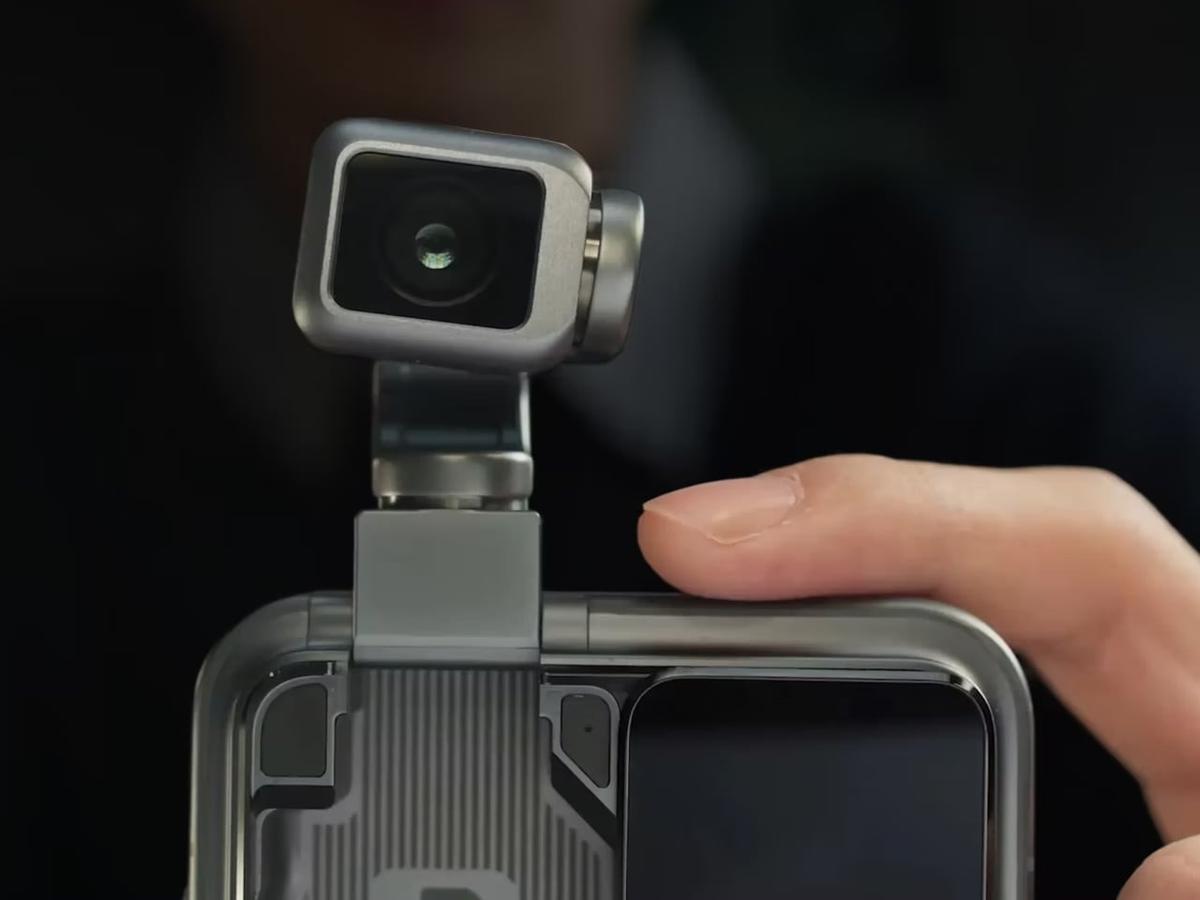
Physical camera movement gives mobile videography a professional‑grade edge and could reshape remote‑work video experiences, while the premium price and limited launch mark the emergence of a new high‑end smartphone niche.
Key Takeaways
- •Motorized 3‑axis gimbal fits inside flagship‑size phone.
- •AI tracking physically moves camera to keep subjects centered.
- •ARRI partnership brings cinema‑grade imaging standards.
- •Price around $2,200 places phone in premium flagship tier.
- •Launch limited to China H2 2026; global rollout uncertain.
Pulse Analysis
The surge in mobile video content and the normalization of video‑centric remote work have created a demand for cameras that can keep up with dynamic subjects. Traditional smartphones rely on optical image stabilization and computational tricks, which still leave users adjusting angles or using external rigs. HONOR’s Robot Phone tackles this gap by embedding a mechanical gimbal that actively follows the user, delivering smoother framing for conference calls, fitness tutorials, and spontaneous vlogs without additional equipment.
From an engineering perspective, shrinking a three‑axis motor to fit inside a flagship‑size chassis is a notable achievement. The 70 % reduction in motor size, combined with a protective sliding panel, addresses durability concerns such as pocket pressure and accidental drops. Partnering with ARRI, a leader in cinema‑grade optics, ensures that the sensor and processing pipeline meet professional standards, while AI‑driven SpinShot and object‑tracking algorithms turn a phone into a miniature, self‑operating rig. Power management and weight distribution remain challenges, but the prototype demonstrates that high‑performance stabilization can coexist with everyday usability.
Market‑wise, the Robot Phone positions itself at the top end of the premium segment, pricing around $2,200 and launching first in China. Its unique kinetic camera differentiates it from rivals like Samsung’s Galaxy S series or Apple’s iPhone, which rely on fixed lenses and software stabilization. Early adopters and content creators may justify the cost for the built‑in rig‑less production value, while mainstream consumers could wait for a more affordable iteration. If the technology proves reliable, it could spawn a new category of “active‑camera” smartphones, prompting competitors to explore similar mechanical solutions or hybrid stabilization approaches.
The First Phone That Nods Back
0
Comments
Want to join the conversation?
Loading comments...