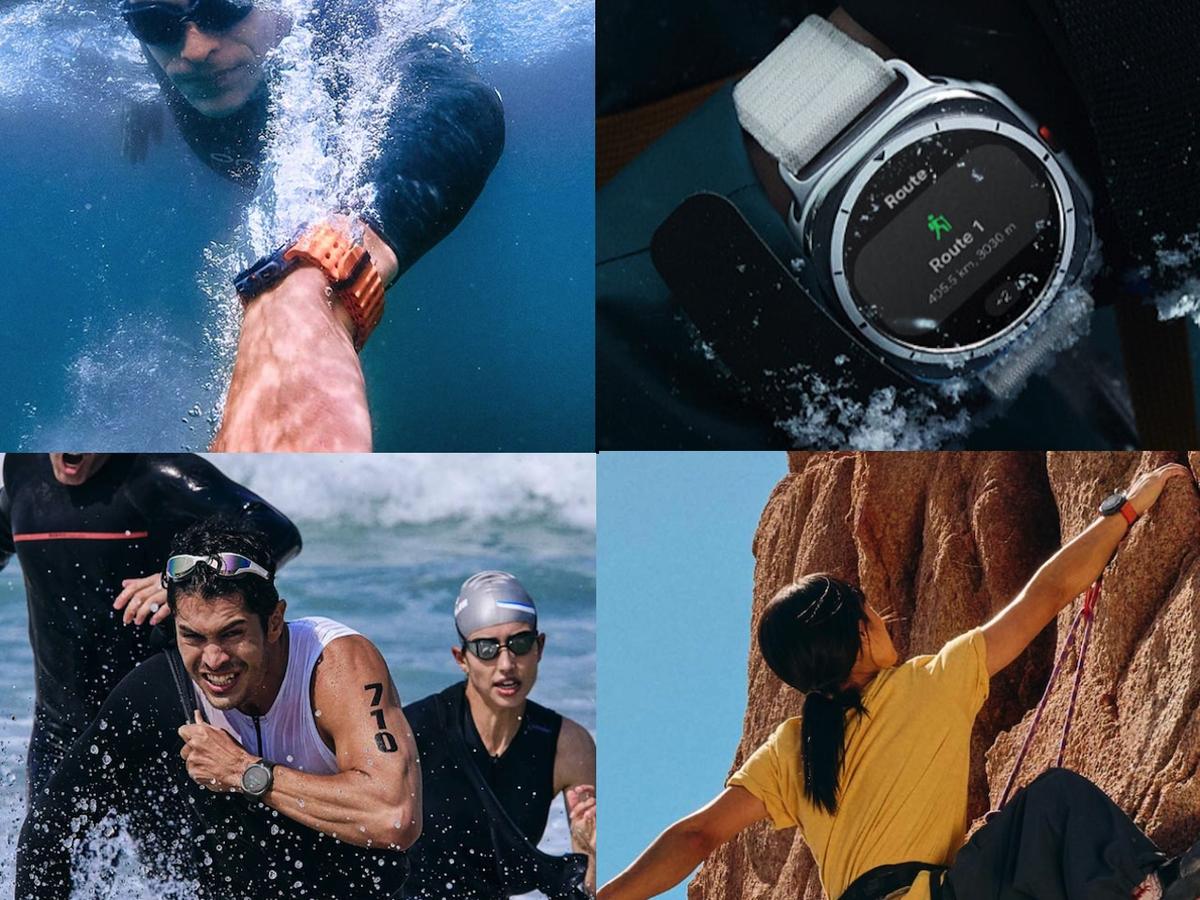
What ‘Rugged’ Means on a 2026 Smartwatch, and Which Specs Actually Matter Outdoors
Key Takeaways
- •Dual‑frequency (L1 + L5) GPS essential for accurate outdoor tracking
- •Barometric altimeter with offline maps separates expedition‑grade watches
- •Real‑world GPS‑on battery life ranges 30‑60 hours, not solar claims
- •IP69K offers superior water‑jet protection versus IP68
- •Samsung Galaxy Watch Ultra provides verified specs at $549.99 price
Pulse Analysis
The surge in outdoor recreation has turned rugged smartwatches from a niche hobbyist product into a mainstream expectation. Consumers now expect a watch that can survive harsh environments without sacrificing core functionality. While manufacturers parade MIL‑STD‑810H, IP68 or IP69K ratings, those certifications only guarantee resistance to specific stresses; they don’t ensure the device can navigate a trail or survive a multi‑day expedition. Understanding the nuance behind each rating helps buyers cut through marketing fluff and focus on real durability.
For serious adventurers, three technical capabilities separate a true field instrument from a hardened fitness band. Dual‑frequency GPS (L1 + L5) eliminates the drift that plagues single‑frequency chips under canopy or canyon walls, delivering meter‑level accuracy essential for route‑finding. A barometric altimeter paired with offline topographic maps provides reliable elevation data when satellite signals falter, a feature often omitted in budget models. Finally, realistic GPS‑on battery life—typically 30 to 60 hours—outweighs solar‑charging hype, as most users rarely achieve the ideal exposure conditions required for meaningful solar gains.
Samsung’s Galaxy Watch Ultra exemplifies how a premium price can translate into verified performance. At $549.99 it offers a titanium case, sapphire crystal, MIL‑STD‑810H compliance, IP68 rating, and a solid 10 ATM water‑resistance rating, plus dual‑frequency GPS and a barometer. Rumors of an Ultra 2 with 5G, satellite connectivity, and blood‑glucose monitoring are intriguing, but the current model already meets the three critical specs for most outdoor scenarios. Buyers should weigh the incremental benefits of upcoming features against the proven reliability of the existing Ultra, especially when planning multi‑day treks where navigation and endurance trump novelty.
What ‘Rugged’ Means on a 2026 Smartwatch, and Which Specs Actually Matter Outdoors
Comments
Want to join the conversation?