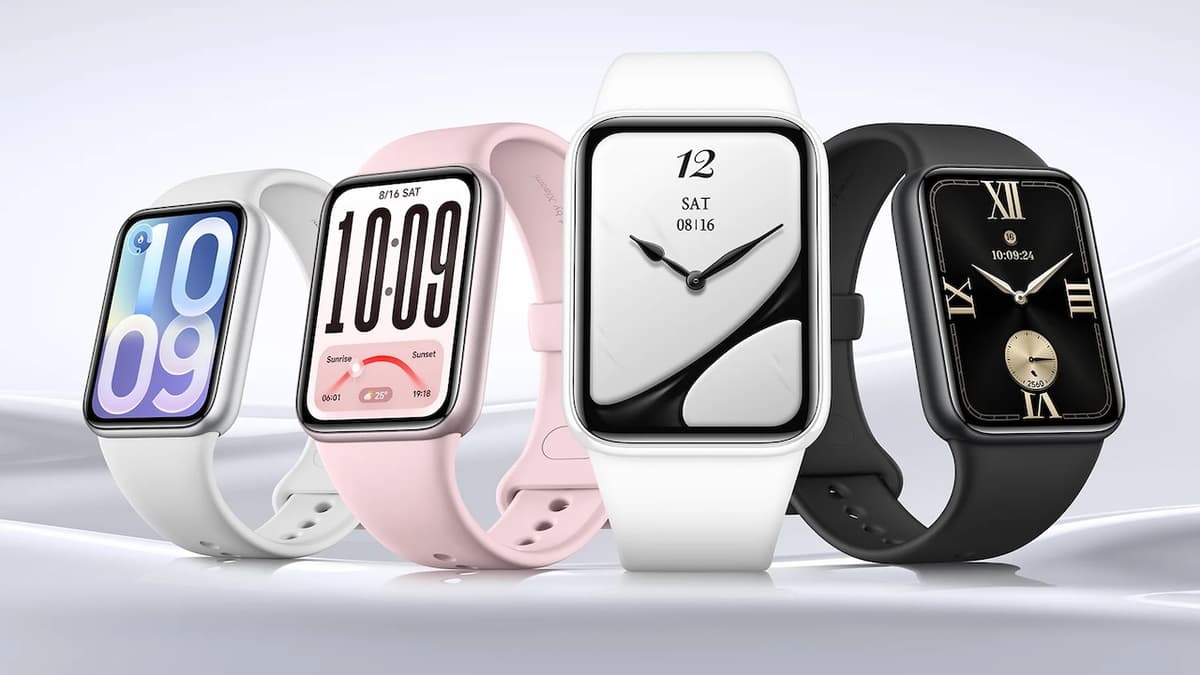
Xiaomi Just Put a 2000-Nit Screen and HRV Tracking on a $60 Band
Key Takeaways
- •2,000‑nit AMOLED display rivals Apple Watch brightness at $58
- •Overnight HRV tracking now available without subscription on budget band
- •Built‑in GNSS enables phone‑free outdoor activity tracking
- •HyperOS 3 syncs workouts directly to Apple Health on iOS
- •21‑day battery life despite always‑on display option
Pulse Analysis
The wearables market has entered a compression phase where high‑end features are cascading down to lower price tiers. Xiaomi’s strategy with the Smart Band 10 Pro exemplifies this trend, leveraging its massive manufacturing scale to embed premium components—such as a 2,000‑nit AMOLED panel—into a device that costs a fraction of a traditional smartwatch. This price‑to‑spec ratio pressures incumbents like Garmin and Fitbit to accelerate feature rollouts or risk losing price‑sensitive consumers who now expect more from a $60 tracker.
From a health‑tech perspective, the inclusion of overnight HRV monitoring marks a significant democratization of recovery analytics. Historically, HRV has been confined to premium devices or subscription‑based platforms, limiting its reach to elite athletes. By integrating a dual‑light PPG sensor that Xiaomi touts as 98.2% accurate, the Band 10 Pro brings clinically relevant fatigue scores to everyday users without extra fees. Coupled with SpO₂, stress detection, and a 150‑plus sport mode suite, the band offers a comprehensive wellness ecosystem that rivals mid‑range smartwatches.
Software integration is the final piece that could determine market success. HyperOS 3’s deep iOS support—direct Apple Health syncing, dual‑device notifications, and Siri‑style shortcuts—addresses a long‑standing gap for Android‑centric wearables. This cross‑platform polish, combined with niche features like a gaming mode, positions the Band 10 Pro as a versatile companion for both fitness enthusiasts and casual users. As competitors scramble to match its spec‑price balance, the broader industry may see a new baseline for what a budget wearable can deliver, reshaping consumer expectations and accelerating innovation across the segment.
Xiaomi Just Put a 2000-Nit Screen and HRV Tracking on a $60 Band
Comments
Want to join the conversation?