3 Tech Companies that Make Your Gadgets More Expensive
Companies Mentioned
Why It Matters
Understanding these hidden costs helps brands price competitively and explains why gadgets carry premium price tags for consumers.
Key Takeaways
- •HDMI Licensing Administrator charges a per‑port fee, varying by standard.
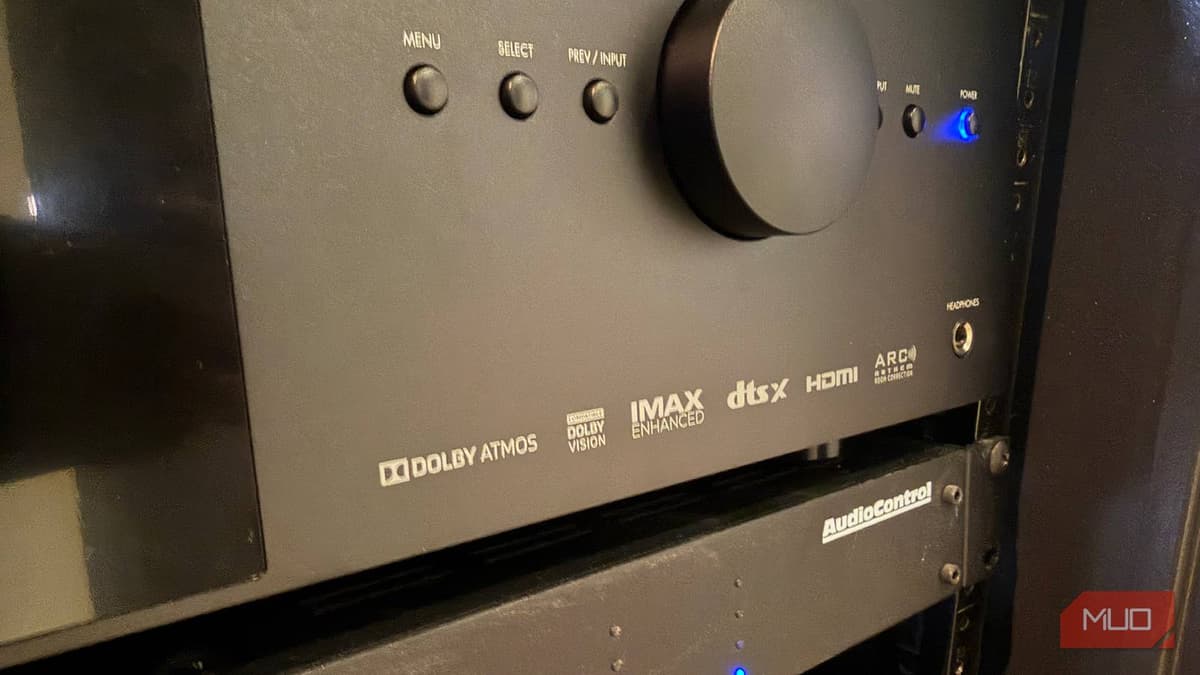
- •Dolby Vision and Dolby Atmos require paid certifications, unlike free HDR10+.
- •Qualcomm’s 5G licensing program imposes a 3.25 % royalty on net device price.
- •Licensing fees cascade through OEMs, contributing noticeably to final retail prices.
Pulse Analysis
The modern gadget supply chain is stitched together by a handful of licensing bodies that monetize the intellectual property behind ubiquitous standards. HDMI’s Licensing Administrator, for example, collects a per‑port fee each time a manufacturer integrates the HDMI interface, a cost that scales with the number of ports on a device. Dolby, meanwhile, monetizes its premium imaging and audio technologies—Dolby Vision and Dolby Atmos—through certification fees that many flagship phones and TVs willingly pay to display the Dolby logo. Qualcomm’s 5G Handset Licensing Program adds a royalty of 3.25 % of a device’s net selling price for the use of its essential patents, creating a predictable revenue stream for the chipmaker.
These hidden charges ripple through the bill of materials and ultimately appear on the consumer’s receipt. A mid‑range smartphone that includes a single HDMI‑compatible port, Dolby‑certified display, and Qualcomm‑enabled 5G radio can see its cost base rise by several dollars, a margin that OEMs often pass on as higher retail pricing. Some manufacturers sidestep the expense by adopting royalty‑free alternatives—HDR10+ instead of Dolby Vision, or DisplayPort’s flat licensing model—yet the brand cachet of Dolby or the performance guarantees of Qualcomm can justify the premium for many consumers.
As devices become more feature‑rich, regulators and consumer advocates are beginning to scrutinize the cumulative impact of licensing fees on affordability. Industry analysts predict that pressure to lower price points may accelerate the adoption of open‑source standards and drive negotiations for lower royalty rates, especially in emerging markets where price sensitivity is acute. For brands, the strategic choice lies in balancing the perceived value of licensed technologies against the cost burden they impose. Transparent communication about why a device carries a Dolby badge or a Qualcomm‑powered 5G modem can help maintain consumer trust while preserving margins.
3 tech companies that make your gadgets more expensive
Comments
Want to join the conversation?
Loading comments...