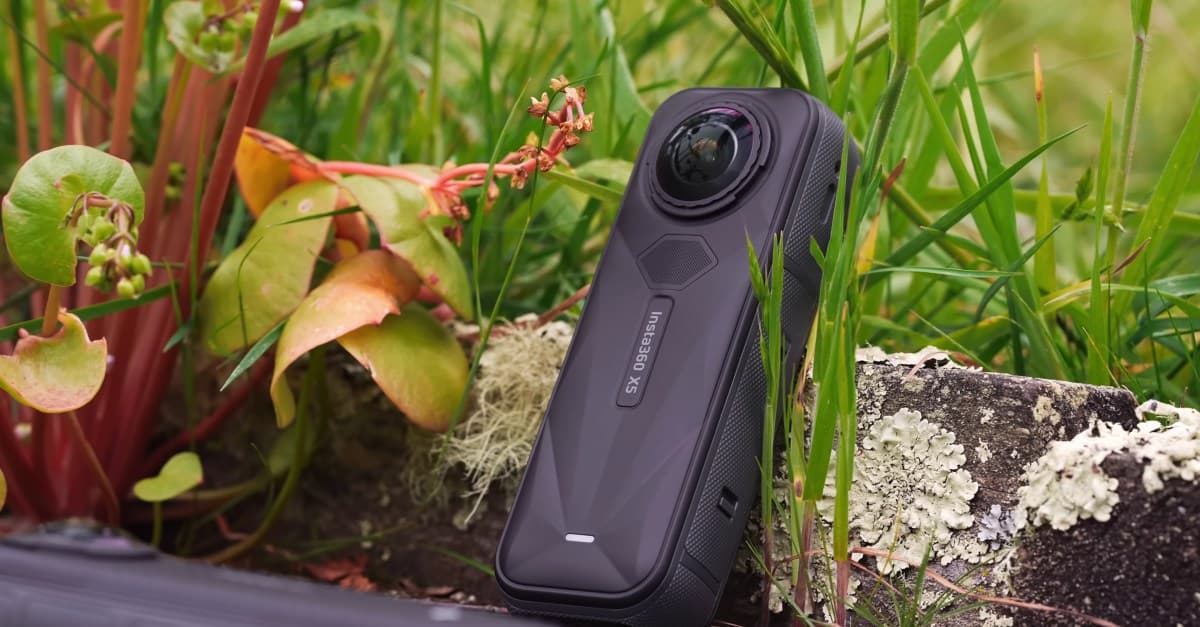
360-Degree Cameras Have a New Superpower
Companies Mentioned
Why It Matters
The workflow lowers the barrier to high‑fidelity 3D capture, enabling faster virtual tours and on‑site documentation without expensive LiDAR rigs, which could reshape how businesses present physical spaces online.
Key Takeaways
- •Insta360 X5 and Antigravity A1 can capture splat-ready footage
- •Splatica turns 360 video into web‑browser 3D models in a day
- •No specialized hardware needed; just two camera settings and upload
- •Real‑estate, construction, and inspections gain instant photorealistic tours
Pulse Analysis
Gaussian splatting has moved from academic research to a practical tool for visualizing real‑world environments. By representing scenes as dense clusters of 3D points—"splats"—the method bypasses traditional mesh reconstruction, delivering smoother, more realistic renderings from relatively modest input data. The technology’s demand for high‑resolution, omnidirectional footage makes 360‑degree cameras an ideal capture device, and the recent partnership between Insta360 and Splatica capitalizes on that synergy.
Splatica’s subscription platform automates the heavy lifting: after a user records a simple walk‑around with an off‑the‑shelf Insta360 X5 or Antigravity A1, the video is uploaded and processed in the cloud. Within roughly 24 hours, a lightweight 3D scene appears in a web browser, ready for interactive exploration. This turnkey approach eliminates the need for on‑premise GPUs or specialized photogrammetry software, opening the door for independent creators, small‑scale marketers, and field professionals to generate immersive digital twins on a budget.
The implications extend beyond hobbyist content. Real‑estate agents can offer prospective buyers a true‑to‑life walkthrough, construction firms can document progress with unprecedented visual fidelity, and facility managers can conduct remote inspections without dispatching personnel. As more manufacturers integrate splatting‑ready presets and cloud services scale, the market may see a shift away from costly LiDAR scanners toward affordable, subscription‑based 3D capture solutions. Early adopters who embed this capability into their workflows stand to gain a competitive edge in an increasingly visual digital economy.
360-degree cameras have a new superpower
Comments
Want to join the conversation?
Loading comments...