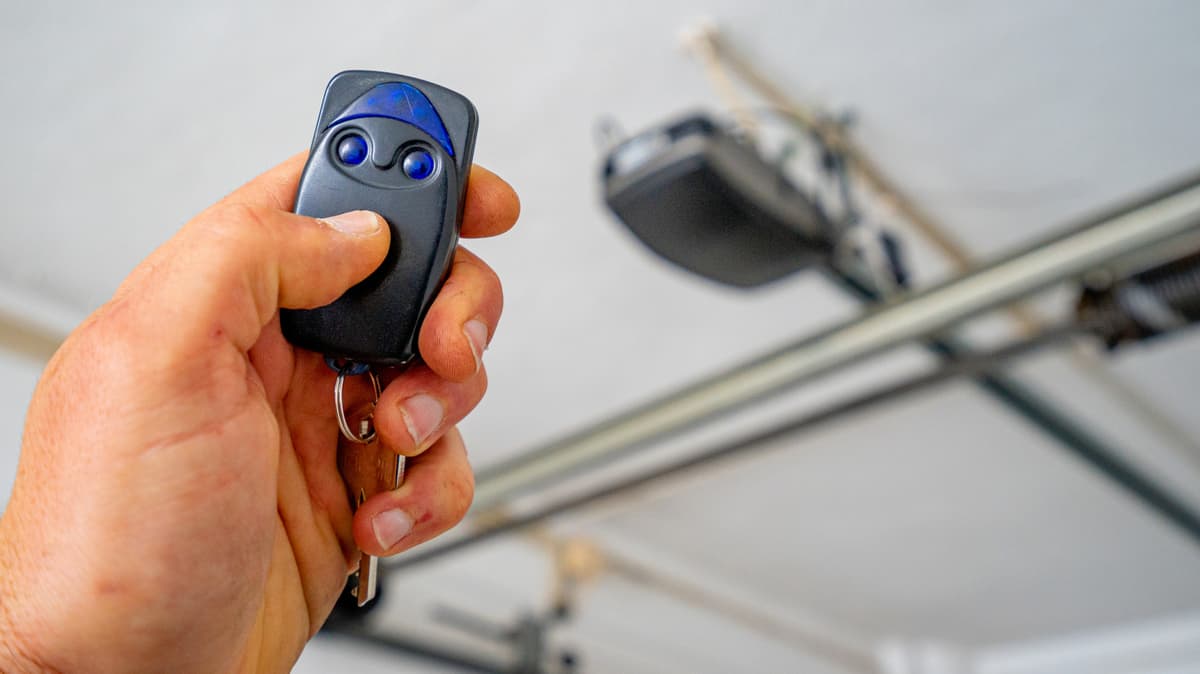
4 Handy Uses For A 3-Button Garage Door Opener
•February 22, 2026
0
Why It Matters
Unlocking extra button functions turns a basic garage remote into a versatile automation tool, enhancing convenience, security, and smart‑home integration for residential and commercial users.
Key Takeaways
- •Program spare button to toggle garage lighting.
- •Assign a button to operate compatible driveway gates.
- •Integrate remote with Wi‑Fi hub for smartphone control.
- •Use remote to trigger hidden bookcase or lock mechanisms.
- •Leverage existing remote to simplify multi‑door access.
Pulse Analysis
The modern garage‑door opener is more than a motorized gate; it’s a radio‑frequency controller that can be programmed for multiple tasks. Early remotes relied on static codes, but today’s rolling‑code systems protect against cloning while supporting three or more buttons. This hardware flexibility allows homeowners to assign distinct functions to each button, turning a simple key‑fob into a multi‑purpose control panel without additional devices.
Practical applications are immediate. One button can toggle the overhead light, eliminating the need to fumble for switches after dark. Another can be linked to a compatible gate receiver, granting seamless access to gated communities or private driveways. By adding a Wi‑Fi hub such as Meross’s Smart Garage Kit, the same remote integrates with smartphone apps, delivering remote operation, status notifications, and triggerable routines that sync with lights or climate systems. These enhancements boost convenience while preserving the reliability of the original mechanical system.
Beyond convenience, the spare buttons open a gateway for DIY automation and security upgrades. Enthusiasts repurpose the signal to operate hidden bookcase doors, motorized storage lifts, or electronic deadbolts, expanding the remote’s utility into interior spaces. Commercially, products like LiftMaster’s automatic deadbolts illustrate a growing market for retrofit security solutions that leverage existing garage‑door infrastructure. As smart‑home adoption accelerates, the ability to maximize legacy hardware with minimal investment positions three‑button remotes as a cost‑effective bridge between analog convenience and digital control.
4 Handy Uses For A 3-Button Garage Door Opener
0
Comments
Want to join the conversation?
Loading comments...