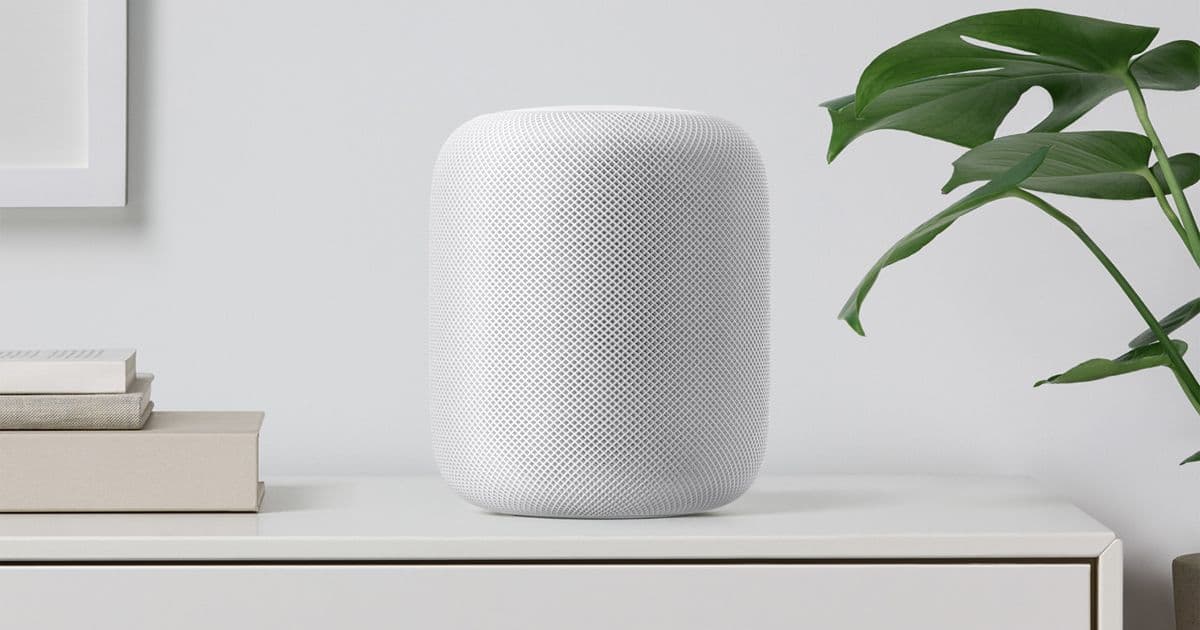
5 Underrated Apple HomePod Controls that Massively Enhance Your Music Experience
Companies Mentioned
Why It Matters
These shortcuts turn the HomePod from a passive speaker into an integrated hub, boosting convenience, audio consistency, and ecosystem stickiness for Apple users.
Key Takeaways
- •Handoff transfers audio from iPhone to HomePod with a tap
- •Palm‑to‑Mute silences playback by covering the top sensor
- •SharePlay lets guests add songs via QR code approval
- •Sound Check normalizes volume across tracks for consistent listening
- •Siri‑triggered ambient sounds provide background relaxation without playlists
Pulse Analysis
Apple’s HomePod line is praised for its room‑filling sound, yet many owners never tap into the suite of hidden controls that can elevate everyday listening. Features like Handoff, which moves music from an iPhone to the speaker with a quick tap, and Palm‑to‑Mute, a gesture‑based mute, illustrate Apple’s focus on frictionless interaction. By embedding these shortcuts directly into the hardware, Apple ensures that users can shift between personal devices and the HomePod without fumbling through menus, reinforcing the brand’s reputation for seamless user experiences.
Beyond basic playback, the HomePod’s integration with SharePlay, Sound Check, and ambient sound libraries adds layers of utility that rival competing smart speakers. SharePlay’s QR‑code workflow lets friends add tracks to a shared queue while maintaining control, fostering collaborative listening in social settings. Sound Check automatically balances volume discrepancies between songs, delivering a consistent soundstage that professional audiophiles appreciate. Meanwhile, a simple Siri command summons curated ambient noises—white noise, rain, fireplace—providing a built‑in relaxation tool without the need for third‑party apps. These capabilities illustrate how Apple leverages its ecosystem to keep users within its hardware and services loop.
From a market perspective, these underrated controls differentiate the HomePod in a crowded smart‑speaker arena dominated by Amazon and Google. By offering nuanced, ecosystem‑centric features, Apple deepens user reliance on iOS, AirPods, and Apple Music, driving higher engagement and potential subscription revenue. Consumers who explore these hidden functions are more likely to view the HomePod as a central hub rather than a peripheral accessory, encouraging future hardware upgrades and reinforcing Apple’s premium positioning in the connected‑home space.
5 underrated Apple HomePod controls that massively enhance your music experience
Comments
Want to join the conversation?
Loading comments...