7 Reasons the Virtual Boy on Switch Online Works
•February 25, 2026
0
Key Takeaways
- •First Japan‑only horror game arrives on Switch
- •Wario Land uses depth for genuine platforming
- •No 3D accessory required; 2D works everywhere
- •Cardboard 3D viewer costs $24.99, cheaper than new game
- •Collection showcases Virtual Boy’s experimental design
Summary
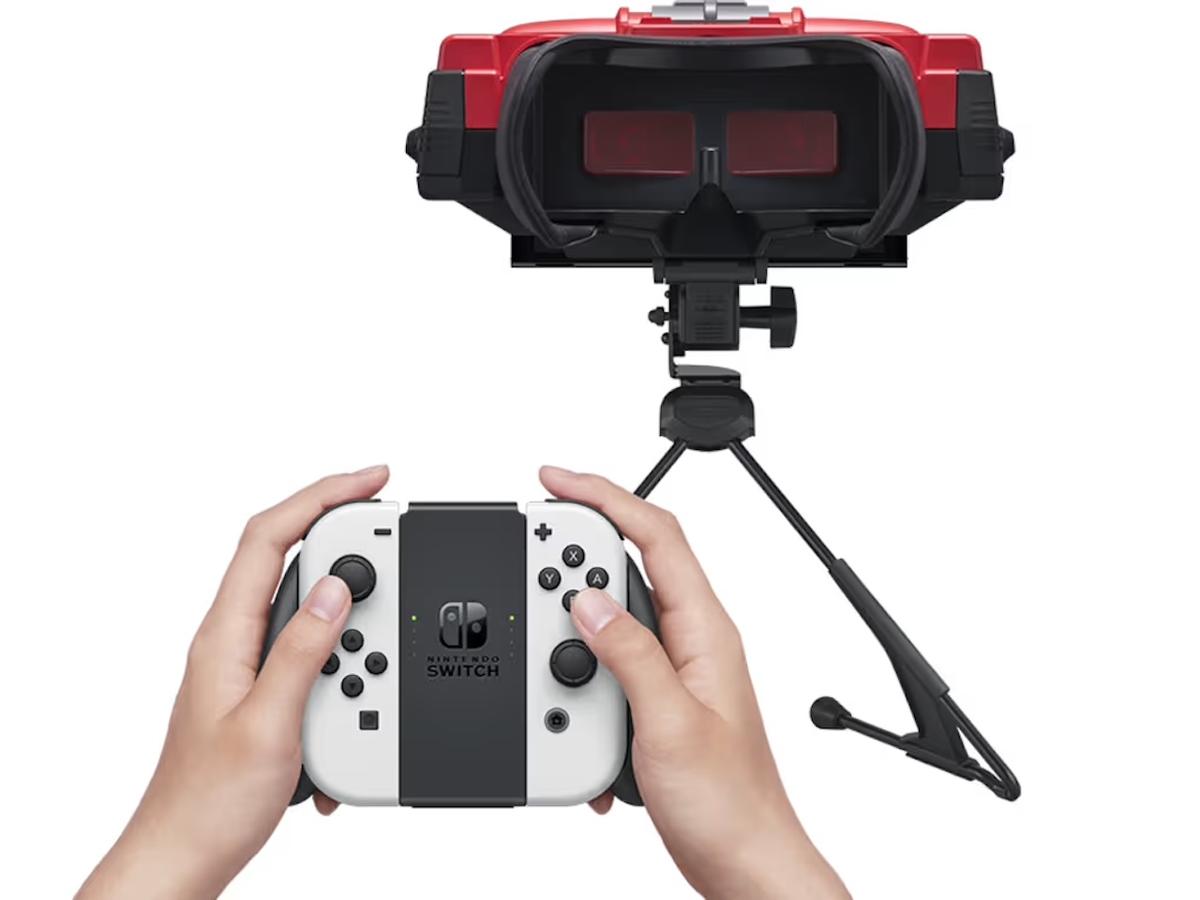
Nintendo revived its notorious Virtual Boy by adding seven titles to the Switch Online + Expansion Pack on Feb 17 2026. The lineup includes the Japan‑only horror game *Mansion of Innsmouth*, a full‑featured *Wario Land* platformer, and other experimental titles like *Red Alarm* and 3‑D Tetris. Players can enjoy the games in standard 2D or optional stereoscopic mode using a $99 replica or $24.99 cardboard viewer, with no extra purchase required for basic play. By releasing these long‑shelved games, Nintendo turns a historic flop into a tangible value add for its subscription service.
Pulse Analysis
The Virtual Boy remains one of Nintendo’s most infamous hardware missteps, a red‑and‑black tabletop system that lasted barely twelve months after its 1995 launch. Its commercial failure left a small library of seven games largely inaccessible outside Japan, turning the titles into collector’s curiosities rather than playable experiences. By bundling the entire catalog into the Switch Online + Expansion Pack, Nintendo not only rescues a forgotten segment of its heritage but also leverages nostalgia to differentiate its subscription offering in an increasingly crowded market.
The seven games showcase the Virtual Boy’s experimental use of stereoscopic depth, something the original hardware struggled to deliver on a small LCD. *Mansion of Innsmouth* finally reaches Western audiences, offering a tense horror adventure that leverages the red‑black palette for atmospheric effect. *Wario Land* transforms classic platforming with layered platforms that reward spatial awareness, while *Red Alarm* and 3‑D Tetris turn wireframe geometry into a distinctive visual language. Importantly, each title runs in flat 2D on any Switch, and the optional cardboard viewer at $24.99 provides an affordable entry point to the promised 3‑D experience.
From a business perspective, the Virtual Boy revival illustrates Nintendo’s broader strategy of monetizing its back catalog without developing new IP. By packaging rare titles as a subscription perk, the company adds tangible value that can justify higher renewal rates, especially as competitors like Xbox Game Pass expand their retro libraries. The dual‑price accessory model—premium replica versus low‑cost cardboard—also creates ancillary revenue streams while keeping the core experience accessible. If the experiment drives subscriber growth, we may see more dormant platforms resurfaced, turning historical missteps into profitable content pipelines.
Comments
Want to join the conversation?