A Comparative Study of Elderly and Young Adults’ Needs of Smart Home Security Systems: Evidence From an Extended Technology Acceptance Model (TAM)
•March 12, 2026
0
Why It Matters
Understanding divergent user needs enables firms to tailor smart security solutions, accelerating adoption in a rapidly aging market and expanding overall smart‑home revenues.
Key Takeaways
- •Seniors prioritize ease of use over advanced features
- •Young adults value integration with existing smart ecosystems
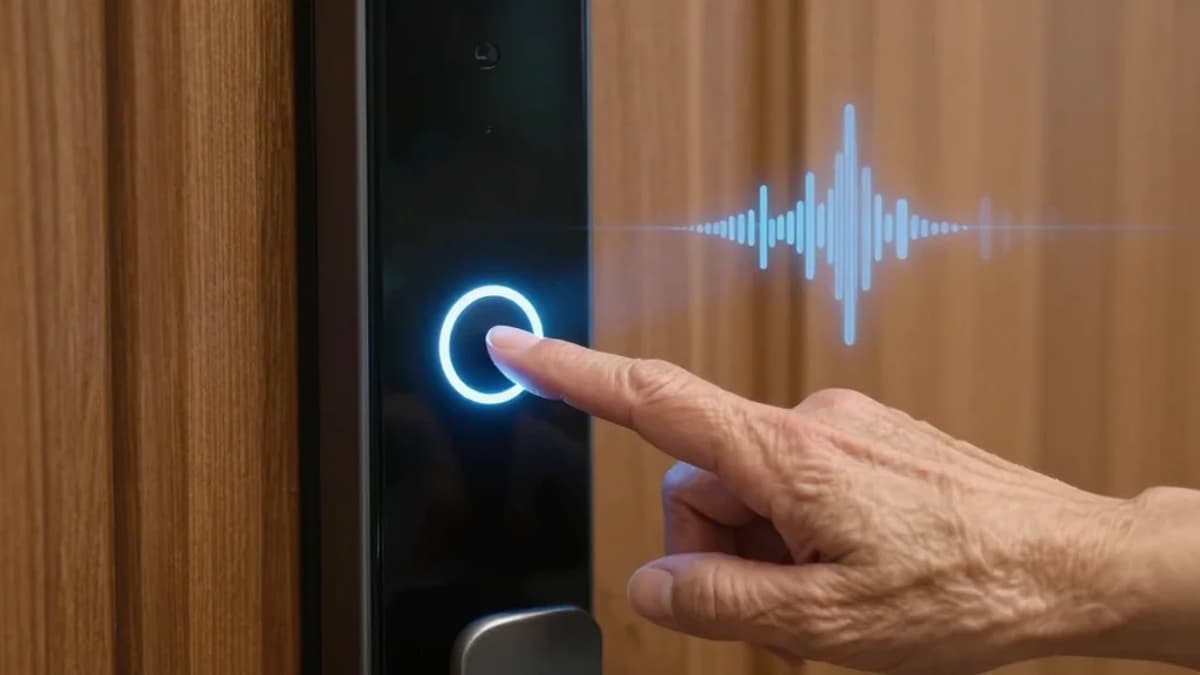
- •One‑click and voice controls boost senior adoption
- •Transparent data protocols increase trust across ages
- •Age‑based pricing can lower economic barriers
Pulse Analysis
The global population is aging faster than ever, and more seniors are choosing to age in place. This demographic shift creates a sizable market for home security technologies, yet adoption rates remain uneven. Younger consumers have already embraced smart ecosystems, driving rapid growth in connected devices, while seniors often encounter usability and cost barriers that limit uptake. By applying an extended Technology Acceptance Model, the study quantifies these gaps, highlighting a clear commercial opportunity for vendors who can bridge the generational divide.
Design considerations emerge as the linchpin for broader acceptance. The research shows seniors respond positively to one‑click operation and voice interaction, features that reduce cognitive load and physical effort. Integrating environmental sensors, automatic alarms, and health‑monitoring modules further aligns the product with seniors’ safety and wellness priorities. Meanwhile, younger adults expect seamless connectivity with existing smart platforms, emphasizing the need for open APIs and cross‑device compatibility. Transparent data‑protocol mechanisms also play a critical role, fostering trust and mitigating technological anxiety across both cohorts.
Policy and pricing strategies round out the roadmap for scaling smart home security. Governments and industry groups are urged to adopt differentiated pricing schemes that make age‑friendly devices financially accessible, removing a key economic barrier. Clear data‑privacy standards and user‑controlled consent frameworks can enhance confidence, encouraging sustained engagement. As manufacturers embed these insights into product development, the sector stands to capture a larger share of the smart‑home market while delivering tangible safety benefits to an increasingly diverse user base.
A Comparative Study of Elderly and Young Adults’ Needs of Smart Home Security Systems: Evidence from an Extended Technology Acceptance Model (TAM)
0
Comments
Want to join the conversation?
Loading comments...