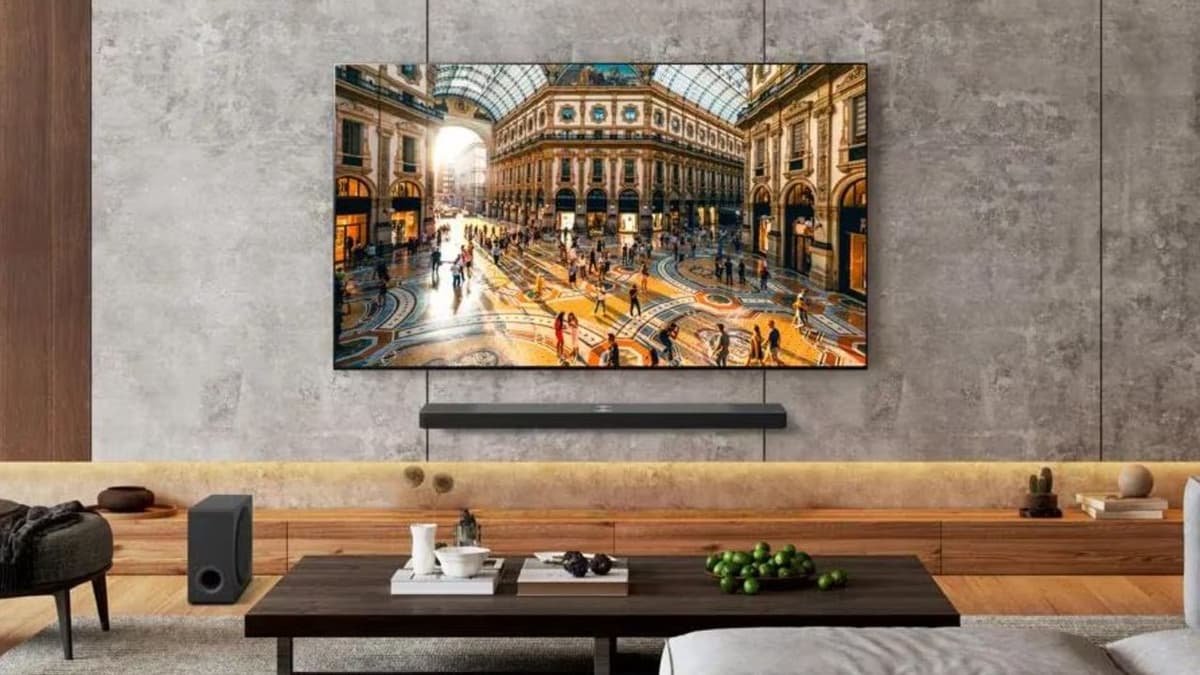
A Dream Upgrade Opportunity: Best Buy Is Quietly Slashing 50% OFF This Entry-Level LG OLED TV
•March 2, 2026
0
Why It Matters
The sub‑$1,000 price point removes a major barrier to OLED adoption, expanding the market for high‑end panels. Retailers can capture price‑sensitive consumers while manufacturers gain volume sales beyond flagship models.
Key Takeaways
- •Best Buy offers 48‑inch LG B5 OLED for $649.99.
- •Discount equals 50% off the $1,299.99 MSRP.
- •TV features Alpha 8 AI Processor Gen 2, 120 Hz refresh.
- •Includes Dolby Vision, HDR10, Filmmaker mode, HDMI 4 ports.
- •Deal under $1,000 rivals higher‑priced OLEDs, boosting adoption.
Pulse Analysis
The OLED television segment has long been defined by premium pricing, limiting its reach to affluent early adopters. By slashing the LG B5’s price to $649.99, Best Buy creates a rare entry point that aligns with broader consumer demand for superior picture quality without the typical $2,000‑plus price tag. This move not only revitalizes post‑holiday sales momentum but also signals that major retailers are willing to absorb margin to drive traffic and inventory turnover in a competitive electronics market.
Beyond the headline price, the B5 Series packs features that were once exclusive to higher‑end models. The Alpha 8 AI Processor Gen 2 delivers real‑time upscaling, enhancing lower‑resolution content to near‑4K fidelity, while the 120 Hz panel ensures smooth motion for gaming and sports. Integrated Dolby Vision and HDR10 support provide industry‑standard high dynamic range performance, and Filmmaker mode preserves artistic intent by disabling aggressive post‑processing. These specifications give budget‑conscious shoppers a compelling value proposition that rivals more expensive OLEDs from Samsung and Sony.
For manufacturers, such deep discounts can accelerate volume adoption, feeding data back into AI‑driven optimization cycles and reducing per‑unit production costs. Retailers benefit from increased footfall and cross‑selling opportunities, especially as consumers pair new OLEDs with accessories like soundbars and gaming consoles. The Best Buy promotion may prompt competitors to launch similar price cuts, potentially reshaping the OLED pricing landscape and hastening mainstream acceptance of organic display technology.
A dream upgrade opportunity: Best Buy is quietly slashing 50% OFF this entry-level LG OLED TV
0
Comments
Want to join the conversation?
Loading comments...