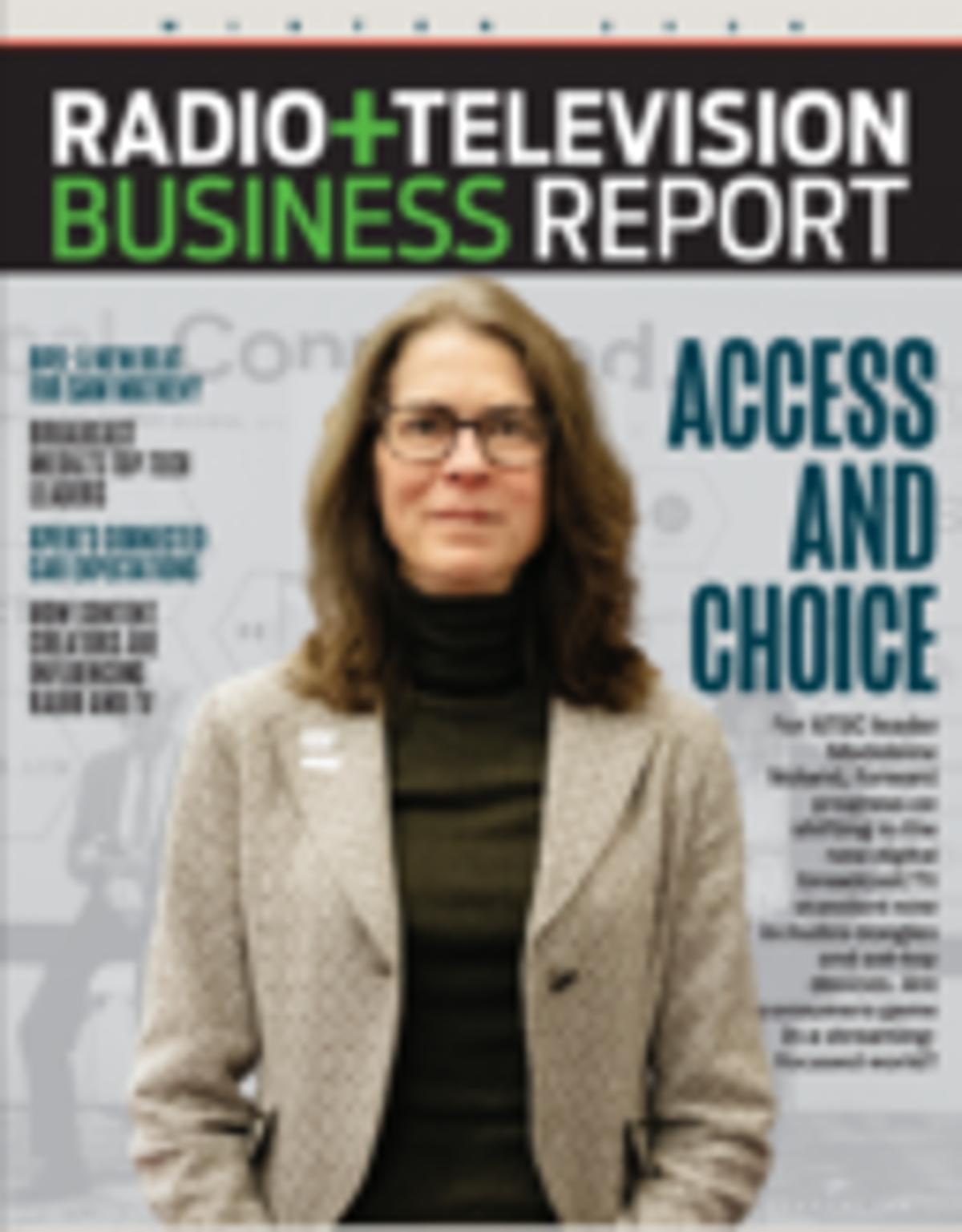
Accelerated Access, Superior Choice: Noland Speaks
•February 17, 2026
0
Why It Matters
Broadcaster revenue models and ad ecosystems depend on rapid NextGen TV uptake, making ATSC 3.0’s rollout a pivotal industry inflection point.
Key Takeaways
- •ATSC 3.0 available US, Korea, Caribbean, Brazil
- •Brazil employs hybrid broadcast model
- •Ad dollars falling, retransmission revenue at risk
- •New dongles and set‑top boxes target consumers
- •Noland urges skeptics to adopt ATSC 3.0
Pulse Analysis
ATSC 3.0, branded as NextGen TV, represents a convergence of broadcast, broadband, and data services, delivering 4K video, immersive audio, and targeted advertising. Since its launch, the standard has expanded beyond the United States to South Korea, select Caribbean territories, and Brazil, where a hybrid transmission approach blends traditional over‑the‑air signals with internet‑based delivery. This multi‑regional footprint signals growing confidence in the technology’s ability to future‑proof broadcast infrastructure and open new revenue streams for operators.
Despite its technical promise, the transition faces economic headwinds. Broadcasters confront a shrinking pool of core advertising dollars, while the traditional retransmission‑consent model—once a reliable cash source—could diminish within five years. These financial pressures make the capital expense of upgrading transmission equipment and consumer‑side hardware a tougher sell, especially in markets where viewer adoption of compatible TVs or dongles remains modest.
In response, ATSC President Madeleine Noland is championing a suite of affordable dongles and set‑top boxes that lower the barrier to entry for households. By bundling interactive services, localized emergency alerts, and data‑rich advertising, these devices aim to demonstrate the tangible benefits of ATSC 3.0 beyond picture quality. Noland’s strategy seeks to shift industry perception from cautious experimentation to confident deployment, positioning NextGen TV as a cornerstone of the next decade’s broadcast and advertising ecosystem.
Accelerated Access, Superior Choice: Noland Speaks
0
Comments
Want to join the conversation?
Loading comments...