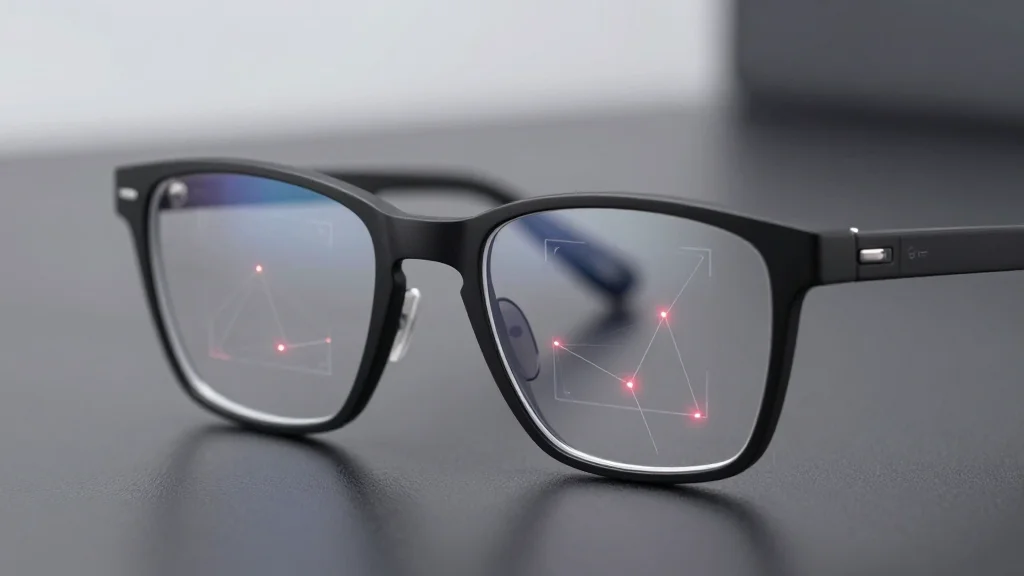
Advocacy Groups Warn Against Adding Facial Recognition to Meta AI Glasses
Why It Matters
Deploying facial ID in wearable devices could vastly expand surveillance capabilities, creating legal and ethical risks for consumers and vulnerable populations.
Key Takeaways
- •Over 70 advocacy groups demand Meta drop facial ID in AI glasses.
- •Groups warn technology could enable stalking, abuse, and covert surveillance.
- •Meta plans rollout despite regulatory pushback, citing AI competition.
- •U.S. AI Action Plan aims to reduce red tape, easing Meta’s path.
- •Past safety failures in Meta’s VR and AI tools erode trust.
Pulse Analysis
Meta’s AI‑powered glasses are poised to become a flagship product in the race to merge wearable hardware with generative AI, and the company’s latest ambition is to add on‑device facial recognition. Proponents argue the feature could streamline user interactions, enable instant contact sharing, and create new advertising opportunities. Yet the prospect of a camera‑equipped lens that can identify strangers in real time raises a red‑flag for privacy advocates, who warn that the technology could be weaponized by stalkers, abusive partners, or even law‑enforcement agencies operating without warrants.
The coalition of more than 70 groups spans civil‑rights, domestic‑violence, reproductive‑rights, LGBTQ+, labor and immigrant organizations, underscoring the breadth of concern. Their warning echoes earlier backlash against Meta’s VR platforms, where inadequate safety zones allowed harassment to flourish. By highlighting the potential for covert identification, the coalition stresses that wearable facial ID could erode public anonymity, making everyday spaces feel surveilled. The groups call for a halt until robust consent mechanisms, data‑minimization policies, and independent oversight are in place, arguing that without such safeguards, the technology could exacerbate existing power imbalances.
Regulators now sit at a crossroads. The U.S. AI Action Plan, launched in July, emphasizes removing “onerous regulation” to accelerate AI innovation, a stance that could smooth Meta’s path to market. However, the rapid rollout of high‑risk features without clear policy frameworks may invite stricter future oversight, as seen in past tech‑industry reckonings. Investors and competitors will watch how Meta navigates this tension; a misstep could trigger legislative action that reshapes the broader wearable AI market, while a successful, responsibly‑managed launch could set a new standard for integrating biometric AI into consumer devices.
Advocacy groups warn against adding facial recognition to Meta AI glasses
Comments
Want to join the conversation?
Loading comments...