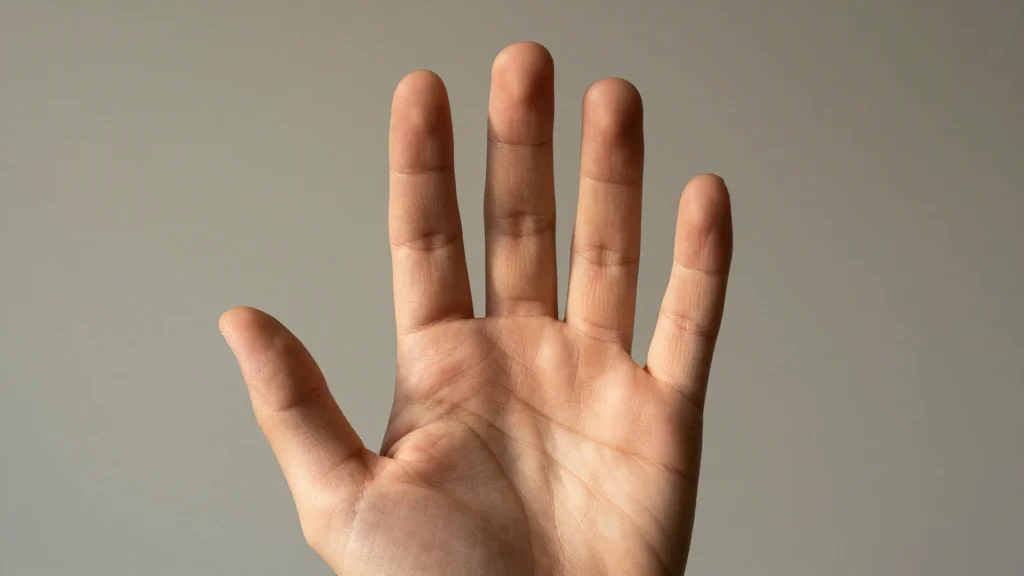
AI Could Steal Fingerprints From High-Resolution Selfies, Experts Warn
Companies Mentioned
Why It Matters
If attackers can harvest fingerprints from everyday photos, the trust placed in biometric unlocking and payment authentication erodes, forcing the industry to reconsider security designs. The emerging threat pushes manufacturers toward stronger liveness detection or multi‑factor solutions.
Key Takeaways
- •High‑resolution selfies can capture enough ridge detail for fingerprint reconstruction
- •AI sharpening tools increase success odds even with modest lighting
- •Attackers could spoof Touch ID, Windows Hello, and payment scanners
- •Manufacturers may need multi‑factor or liveness detection to stay secure
Pulse Analysis
The rapid evolution of smartphone camera hardware is reshaping the threat landscape for biometric security. Where once fingerprint reconstruction required controlled lighting, multiple macro shots, and specialized equipment, today’s computational photography can produce crisp, detailed images from a casual selfie. Coupled with AI‑driven enhancement tools, these photos can reveal ridge patterns that were previously invisible, turning a routine social media post into a potential data leak.
Security researchers have demonstrated the feasibility of such attacks for over a decade, but recent experiments show the barrier to entry is lowering. Jan Krissler’s early Touch ID hack and Kraken Security Labs’ 2021 spoof highlighted the concept, yet they demanded significant effort. Modern AI models can now amplify faint fingerprint cues, making the process faster and accessible to less‑skilled adversaries. This development threatens not only consumer devices but also enterprise environments that rely on Windows Hello or hardware‑based payment authentication, where a compromised fingerprint could bypass multiple layers of protection.
In response, device makers are accelerating the adoption of liveness detection, combining fingerprint scans with infrared imaging or pulse detection to verify a living finger. Some are also promoting alternative biometrics such as facial recognition with depth sensors, or reinforcing multi‑factor authentication that pairs biometrics with passwords or hardware tokens. As the line between convenience and vulnerability blurs, organizations and users must stay vigilant, updating firmware, disabling unnecessary biometric features, and monitoring emerging best practices to safeguard against this new visual espionage vector.
AI could steal fingerprints from high-resolution selfies, experts warn
Comments
Want to join the conversation?
Loading comments...