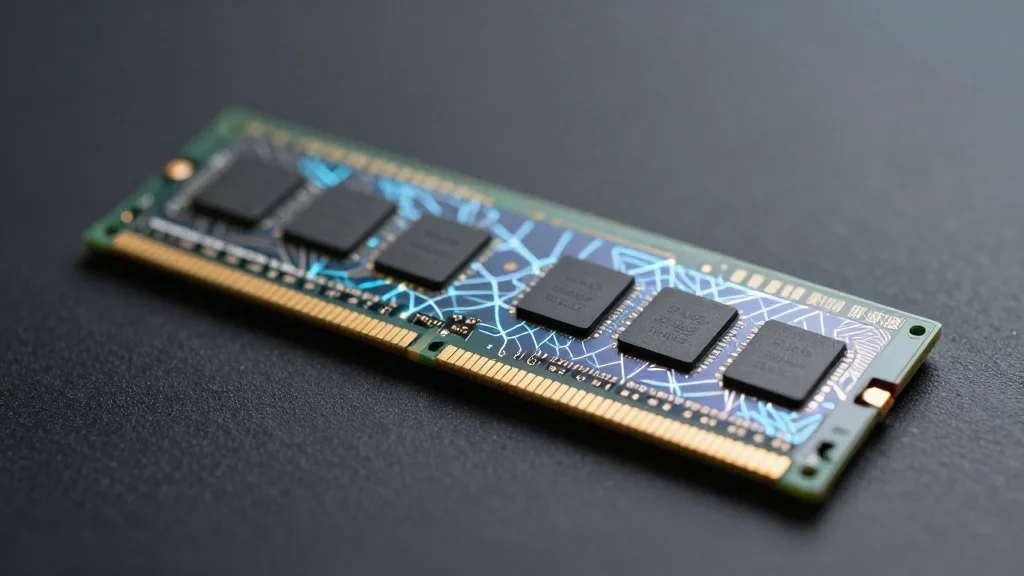
AI‑Driven ‘RAMageddon’ Drives Up Prices for Laptops, Phones and GPUs

Companies Mentioned
Why It Matters
RAMageddon matters because memory chips are a foundational component of virtually every consumer electronic device. When supply is redirected toward AI data centers, the resulting scarcity forces OEMs to raise prices or cut features, directly affecting consumer purchasing power and potentially slowing adoption of new technologies. Moreover, the episode highlights a broader strategic shift: chipmakers are increasingly aligning their product roadmaps with high‑margin AI customers, which could reshape the competitive dynamics of the entire semiconductor industry. For investors and policymakers, the shortage signals a need to monitor supply‑chain resilience and consider incentives for expanding memory production capacity. If the trend continues unchecked, it could exacerbate price inflation across the tech sector, eroding margins for device makers and prompting a reevaluation of product pricing strategies.
Key Takeaways
- •AI data‑center demand is diverting DRAM and HBM away from consumer devices.
- •Micron shut its Crucial consumer RAM and SSD division in December, citing AI‑driven growth.
- •High‑bandwidth memory (HBM) commands higher profit margins, driving allocation decisions.
- •Laptop, smartphone and GPU prices have risen sharply since early 2026.
- •Memory manufacturers plan new HBM fab capacity, but rollout may take 12‑18 months.
Pulse Analysis
The RAMageddon phenomenon is a textbook case of demand‑side shock reshaping a supply‑constrained market. Historically, memory shortages have been cyclical, driven by mismatches between forecasted demand and fab capacity. This time, the catalyst is not a sudden surge in consumer demand but the explosive growth of AI workloads that require premium memory types. The strategic response by Samsung, SK Hynix and Micron—prioritizing HBM for AI accelerators—reflects a profit‑maximization calculus that treats data‑center contracts as the new growth engine.
From a competitive standpoint, the shift could accelerate consolidation in the memory sector. Companies that can quickly scale HBM production will capture a larger share of the lucrative AI market, while those slower to adapt may lose relevance. For device makers, the immediate challenge is cost management. Some may pass higher component prices onto consumers, risking demand elasticity, while others might redesign products to use less memory or adopt alternative architectures such as LPDDR5X, which offers a middle ground.
In the longer term, the RAMageddon episode may spur policy interventions aimed at diversifying the memory supply chain. Governments could incentivize domestic fab construction or support research into next‑generation memory technologies that are less dependent on scarce materials. For the consumer tech market, the key takeaway is that AI’s ripple effects are no longer confined to software; they are now a material cost driver that will shape product pricing, design choices, and ultimately, the pace of innovation for years to come.
AI‑Driven ‘RAMageddon’ Drives Up Prices for Laptops, Phones and GPUs
Comments
Want to join the conversation?
Loading comments...