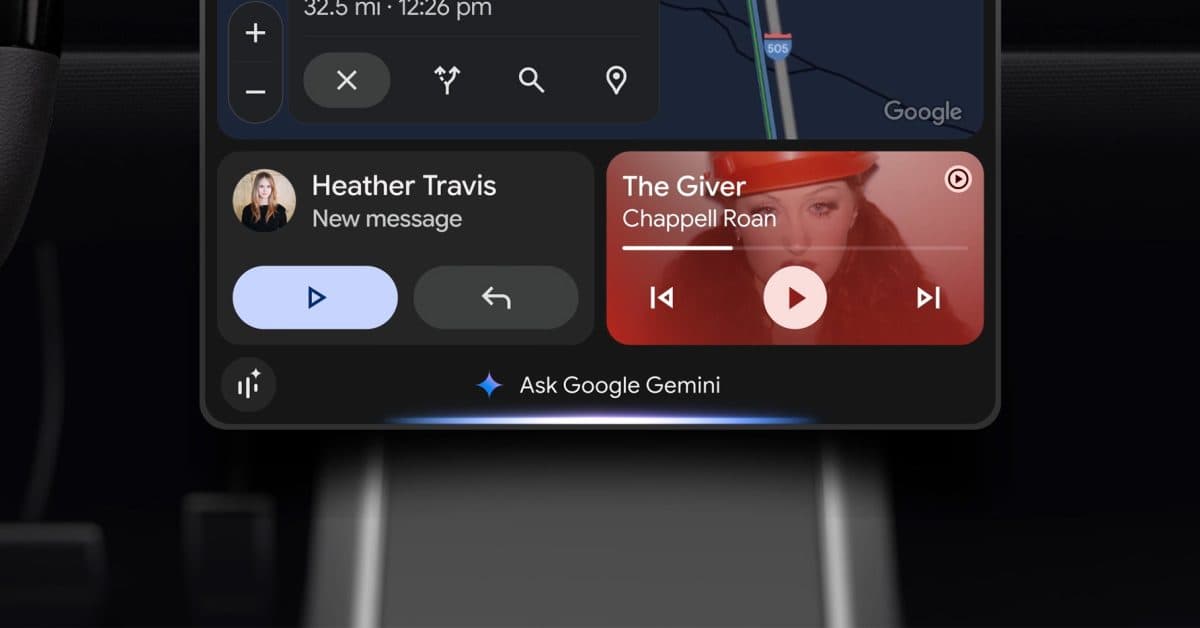
Android Auto Users Hit with ‘Voice Commands Aren’t Available Right Now’ Bug
•February 23, 2026
0
Companies Mentioned


Why It Matters
Voice command outages diminish the safety and convenience of hands‑free driving, potentially eroding user confidence in Android Auto’s core value proposition. The disruption also pressures Google to address reliability concerns across its automotive ecosystem.
Key Takeaways
- •Android Auto voice commands blocked by error message.
- •Bug affects Samsung, Pixel, and other Android devices.
- •Issue surfaced after recent Google app update.
- •Clearing Google app cache temporarily restores functionality.
- •Google has not officially confirmed or scheduled fix.
Pulse Analysis
The Android Auto voice command glitch underscores how tightly integrated software updates are with in‑car experiences. While Google Assistant has become the de‑facto interface for navigation, messaging, and media control, a single point of failure can cascade across the entire driving workflow. Analysts note that the timing—coinciding with a broader rollout of a new Google app version—suggests a regression in the app’s permission handling or background service initialization, which is now manifesting as an immediate error before any command is processed.
For drivers, the loss of hands‑free interaction raises safety concerns. Professionals who rely on voice prompts to keep eyes on the road now face a manual workaround, potentially increasing distraction. Fleet operators and rideshare platforms that standardize on Android Auto may need to adjust training or temporarily revert to legacy controls, impacting operational efficiency. The temporary cache‑clear fix, while helpful, is not a sustainable solution and highlights the importance of robust rollback mechanisms for OTA updates in automotive software.
Google’s silence on the issue may fuel speculation, but it also reflects a typical corporate approach of gathering data before a public statement. Industry observers expect a rapid patch, given the competitive pressure from Apple CarPlay, which touts seamless voice integration. In the interim, users are advised to monitor official forums, keep their devices updated, and consider alternative voice assistants if critical. The episode serves as a reminder that reliability, not just feature richness, is paramount in the evolving connected‑car market.
Android Auto users hit with ‘Voice commands aren’t available right now’ bug
0
Comments
Want to join the conversation?
Loading comments...