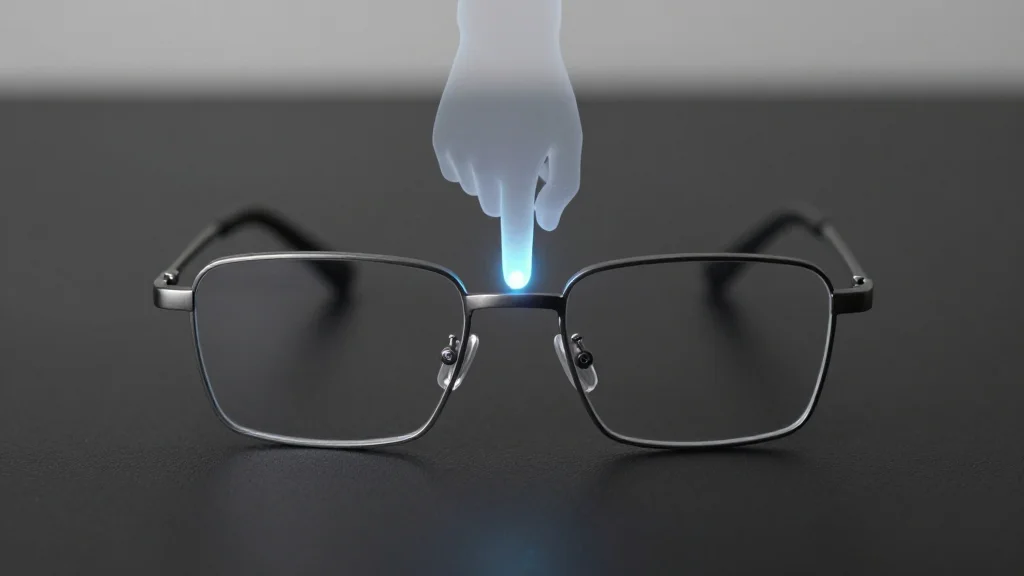
Apple Eyes AI‑Powered Smart Glasses With Hand‑Gesture Controls, Targeting 2027 Launch



Why It Matters
Apple’s entry into the smart‑glasses segment could redefine consumer expectations for wearable cameras and voice‑first interfaces. By leveraging its existing gesture ecosystem from Vision Pro, Apple may set a new standard for hands‑free interaction that extends beyond smartphones and laptops. The product also signals a strategic shift: Apple is willing to sacrifice cutting‑edge AR features in favor of battery efficiency and design elegance, a move that could pressure rivals to rethink the balance between functionality and wearability. The launch timeline—preview in 2026, full release in 2027—places Apple ahead of many competitors still grappling with display integration and power constraints. If the glasses gain traction, they could open a new revenue stream for Apple’s services, as Siri‑driven queries and photo sharing funnel users into the broader App Store ecosystem.
Key Takeaways
- •Apple is developing AI smart glasses with two cameras—a high‑resolution sensor and a low‑resolution gesture‑reading lens.
- •The device will rely on hand‑gesture controls for Siri interaction, mirroring Vision Pro input methods.
- •Apple plans a preview later in 2026 and a full market launch in 2027.
- •The first version will omit a display, LiDAR, and 3D cameras to preserve battery life and keep the form factor lightweight.
- •Acetate frames, described by Mark Gurman as "more durable and luxurious," are being tested for a premium look and feel.
Pulse Analysis
Apple’s decision to launch a screen‑less, gesture‑centric smart glass reflects a pragmatic response to the energy constraints that have plagued earlier AR attempts. By focusing on a high‑quality camera suite and Siri integration, Apple sidesteps the power draw of immersive displays while still delivering a compelling consumer proposition: a discreet wearable that can capture moments and answer contextual queries on the fly. This approach could attract a broader audience that found Vision Pro’s bulk and price prohibitive.
Historically, Apple’s hardware rollouts succeed when they marry design excellence with a clear ecosystem advantage. The glasses will likely benefit from the massive iOS developer base, encouraging third‑party apps that leverage Siri’s new capabilities. However, the lack of a visual output may limit the device’s appeal to early adopters seeking true mixed‑reality experiences. Competitors like Meta, which already offer a modest AR overlay, could retain the niche of users who prioritize visual augmentation over pure camera functionality.
Looking ahead, the glasses could serve as a testbed for next‑generation battery technologies. If Apple can later integrate a low‑power display without compromising form factor, it may unlock a full AR experience that rivals Vision Pro but at a fraction of the cost and size. Until then, the market will watch closely to see whether consumers embrace a gesture‑only interface or demand richer visual feedback, a decision that will shape the next wave of wearable computing.
Apple Eyes AI‑Powered Smart Glasses With Hand‑Gesture Controls, Targeting 2027 Launch
Comments
Want to join the conversation?
Loading comments...