Apple Is Reportedly Working on a Holographic iPhone, an AI Pendent, and AirPods Pro with AI Cameras
Companies Mentioned
Why It Matters
These initiatives illustrate Apple’s ambition to embed AI and immersive display technology across its ecosystem, potentially reshaping consumer expectations for smartphones, wearables, and audio accessories. Successful execution could give Apple a differentiated edge in the emerging spatial computing market.
Key Takeaways
- •Apple testing holographic iPhone with diffractive beam steering
- •AI pendant includes always‑on camera and Siri microphone
- •AirPods Pro cameras feed visual data for on‑device AI
- •Spatial iPhone may not launch until 2030
- •AirPods Pro release delayed by Apple Intelligence issues
Pulse Analysis
Apple’s rumored holographic iPhone represents a bold leap toward spatial computing on a handheld device. By layering a nano‑structured holographic element onto an AMOLED panel and pairing it with eye‑tracking, the phone could render depth without glasses, echoing Samsung’s large‑scale spatial displays but in a pocket‑sized form. If realized, this could set a new benchmark for immersive mobile experiences and pressure competitors to accelerate similar research, while also raising questions about battery life, content creation, and developer tooling.
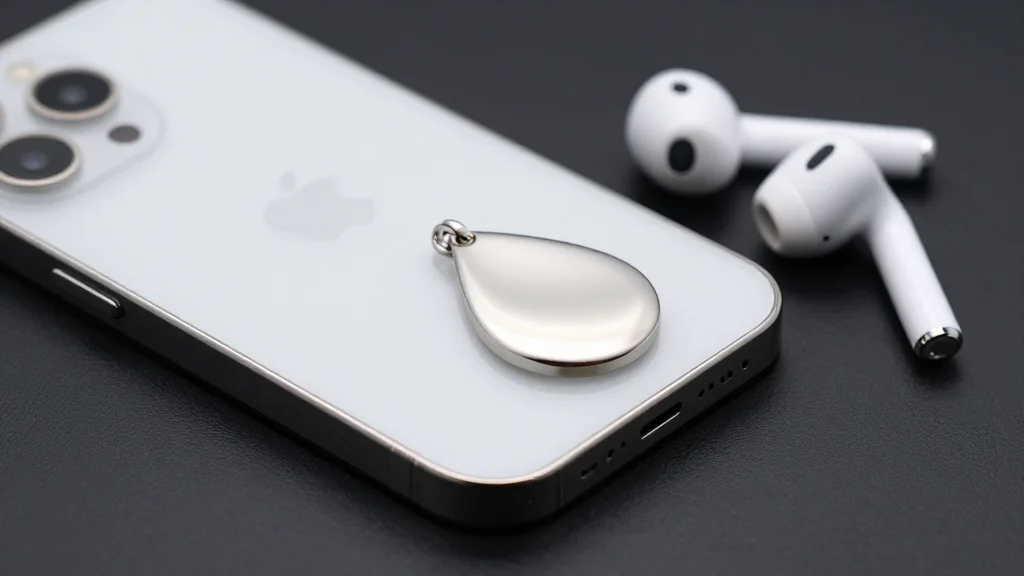
The AI pendant, described as an AirTag‑sized accessory, adds a new dimension to Apple’s wearables portfolio. Featuring an always‑on camera and microphone, it aims to serve as a personal visual‑AI hub, streaming data to the iPhone for real‑time Siri commands and contextual awareness. This approach sidesteps the need for a standalone screen, potentially lowering costs and expanding use cases such as on‑the‑go translation, health monitoring, and augmented reality cues. However, continuous sensing raises privacy concerns that Apple will need to address through transparent data handling and on‑device processing.
Camera‑equipped AirPods Pro push Apple’s audio line into the realm of visual AI, using tiny lenses to capture environmental cues for enhanced spatial awareness and Siri’s Visual Intelligence. The integration could enable features like real‑time object recognition, gesture‑based controls, and improved noise‑cancellation that adapts to visual context. Delays tied to Apple Intelligence suggest the company is fine‑tuning the balance between performance and user experience. A successful launch would reinforce Apple’s strategy of embedding AI across hardware, positioning it ahead of rivals that still rely on purely audio‑centric earbuds.
Apple is reportedly working on a holographic iPhone, an AI pendent, and AirPods Pro with AI cameras
Comments
Want to join the conversation?
Loading comments...