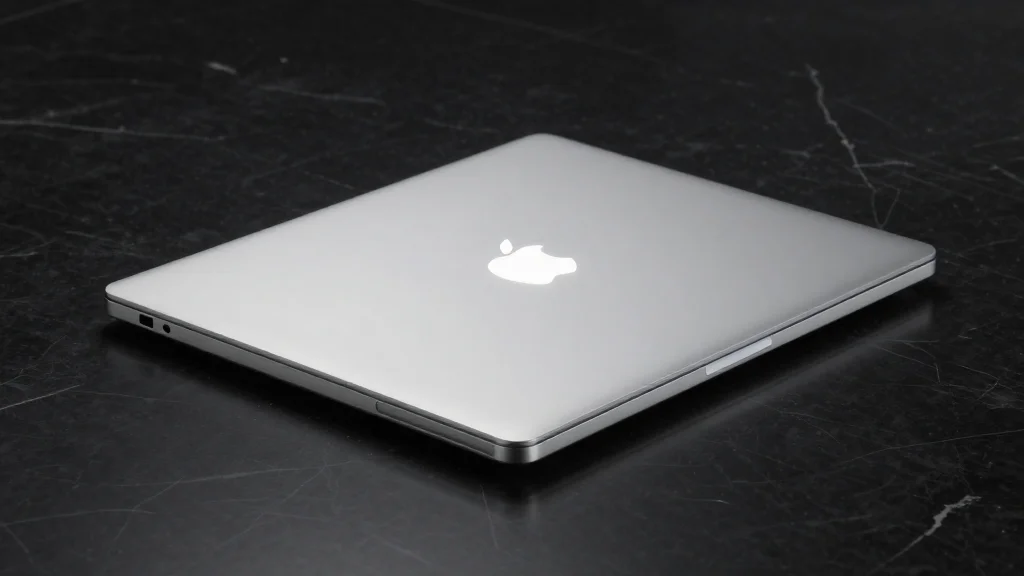
Apple Launches $599 MacBook Neo, Expands Entry‑level Laptop Lineup

Companies Mentioned

Why It Matters
The MacBook Neo signals a strategic shift for Apple, moving beyond its traditional premium‑only narrative to address the mass‑market segment. By leveraging its own A‑series silicon, Apple can sidestep the memory‑price inflation that is inflating Windows‑based laptops, potentially reshaping price competition in the entry‑level laptop space. If the Neo gains traction, it could pressure Windows OEMs to either improve build quality at low price points or accept a shrinking share of budget‑conscious consumers. The hinted iPhone 17e, though not detailed, suggests Apple may replicate this approach in smartphones, further tightening competition across two of the most contested consumer tech categories.
Key Takeaways
- •Apple priced the new MacBook Neo at $599, the lowest‑priced Mac ever released.
- •The Neo runs Apple’s A18 Pro chip with 8 GB RAM, delivering performance comparable to higher‑priced Windows laptops.
- •Apple’s use of in‑house silicon helps avoid the memory and SSD cost spikes that have driven Surface price hikes up to 69 %.
- •Executives Greg Joswiak and John Ternus emphasized premium aluminum design and a superior trackpad as differentiators.
- •An iPhone 17e was mentioned for the budget segment, but pricing and specs were not disclosed.
Pulse Analysis
Apple’s decision to launch a $599 MacBook is more than a pricing gimmick; it reflects a broader recalibration of the company’s product architecture. By standardizing on its own silicon across the entire Mac lineup, Apple reduces reliance on external suppliers that are currently under pressure from a memory shortage driven by AI workloads. This vertical integration grants Apple pricing flexibility that rivals cannot easily match, especially as DRAM and NAND prices are projected to climb dramatically through 2026.
Historically, Apple has used its premium pricing to fund ecosystem lock‑in, but the Neo suggests a willingness to trade some margin for market share in the entry tier. The move could accelerate the erosion of the Windows‑based budget laptop market, which has traditionally thrived on low‑cost plastic builds and minimal specifications. If consumers begin to expect aluminum chassis and high‑quality trackpads at sub‑$600 levels, OEMs like Dell, Lenovo and HP may need to redesign their cost structures or risk being perceived as cheap alternatives.
The potential rollout of an iPhone 17e, even without disclosed details, hints at a coordinated push to capture price‑sensitive buyers on both sides of the computing spectrum. Should Apple succeed, it could tighten the feedback loop between its hardware and services, driving higher subscription revenue from a larger base of entry‑level users. Competitors will have to decide whether to double down on price cuts, which could further compress margins, or to differentiate through features that Apple’s budget devices cannot easily replicate, such as foldable displays or ultra‑high‑refresh screens. The coming months will reveal whether Apple’s low‑price strategy can sustain its premium brand while reshaping the consumer tech landscape.
Apple launches $599 MacBook Neo, expands entry‑level laptop lineup
Comments
Want to join the conversation?
Loading comments...