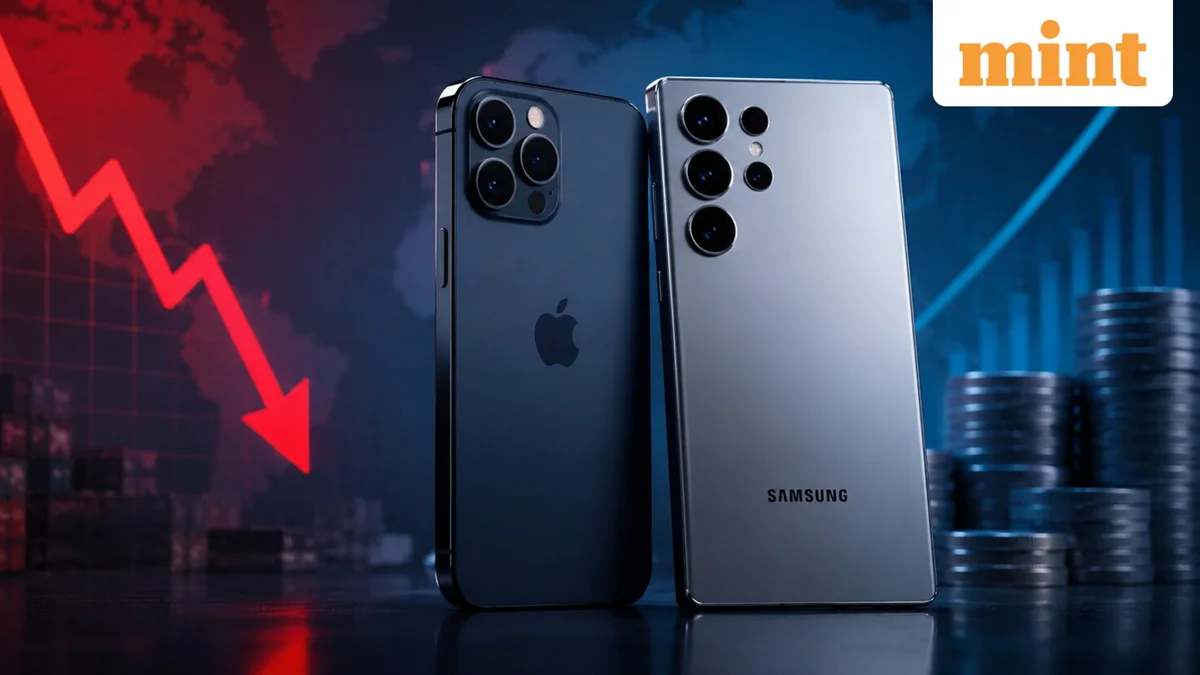
Apple, Samsung Could Gain Market Share as ‘Ultra-Cheap Smartphone’ Era Comes to an End: Report
Why It Matters
The shift toward higher‑priced devices reshapes competitive dynamics, rewarding premium brands and pressuring budget‑focused OEMs, especially in emerging economies. It also signals supply‑chain realignment as memory availability becomes a decisive advantage.
Key Takeaways
- •IDC forecasts 13.9% drop, 1.09 bn phones shipped in 2026.
- •Average smartphone price hits $550, $100 rise YoY.
- •Budget <$200 segment shrinks fastest, hurting emerging markets.
- •Apple could reach 22% market share, its strongest year.
- •Samsung and Apple poised to gain share as ultra‑cheap era ends.
Pulse Analysis
The 2026 smartphone outlook reflects a perfect storm of supply‑chain constraints and geopolitical tension. Memory‑chip shortages, still lingering from the pandemic‑era boom, now intersect with higher oil and freight costs tied to the US‑Iran conflict. Together they force OEMs to trim volumes, raise prices, and prioritize higher‑margin models. IDC’s forecast of a 13.9% shipment decline to just over a billion units would mark the deepest contraction since the market’s inception, underscoring the fragility of the low‑cost segment that once drove mass adoption.
Premium players stand to benefit from this recalibration. Apple’s secured memory supply and strong demand for the iPhone 17 position it to capture a record 22% share of a shrinking market, while Samsung’s diversified portfolio across flagship and upper‑mid tiers gives it a similar upside. The erosion of the sub‑$200 tier disproportionately impacts emerging regions—Middle East, Africa, and parts of Europe and Asia‑Pacific—where price sensitivity is highest. As budget‑focused Android brands grapple with squeezed margins, the competitive landscape will tilt toward firms that can command higher price points and sustain brand loyalty.
Amid the downturn, foldable devices emerge as a bright spot. IDC projects a 20% year‑over‑year rise in foldable shipments, buoyed by incremental consumer interest and potential entry of an Apple "iPhone Ultra". This niche could become a proving ground for new form‑factors and premium pricing strategies. For investors and industry strategists, the key takeaway is clear: success in 2026 will hinge on securing component supplies, leveraging brand equity to command premium pricing, and innovating beyond the saturated flat‑screen market.
Apple, Samsung could gain market share as ‘ultra-cheap smartphone’ era comes to an end: Report
Comments
Want to join the conversation?
Loading comments...