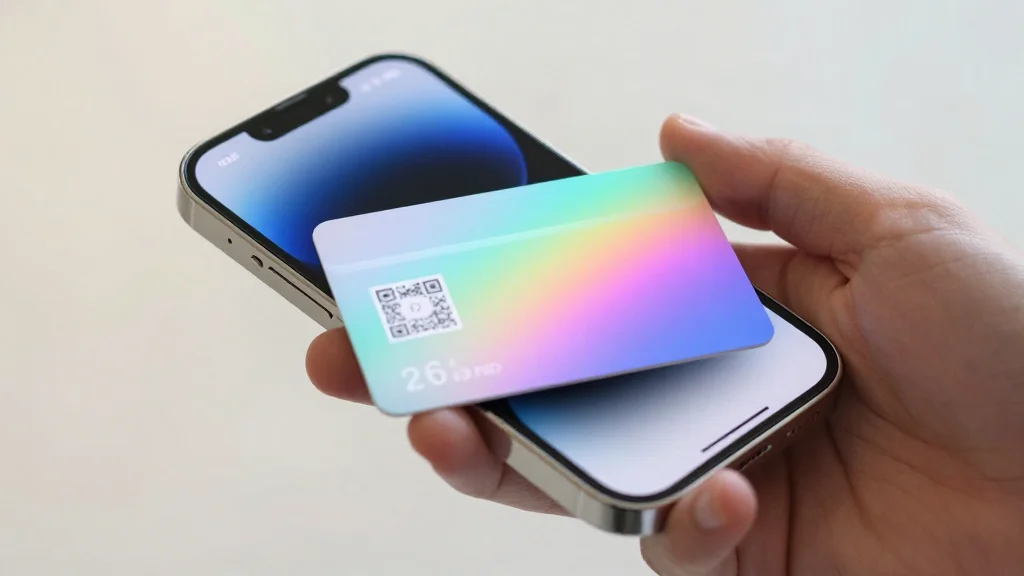
Apple Spent a Decade Waiting for Developers to Build Wallet Passes. Now It Is Letting Users Build Their Own.
Companies Mentioned
Why It Matters
The change converts Wallet’s expansion from a supply‑side to a demand‑side network effect, boosting user engagement while cutting reliance on third‑party apps. It also illustrates Apple’s broader strategy of bypassing developer bottlenecks to accelerate product utility.
Key Takeaways
- •Users can generate Wallet passes from any QR code instantly
- •Three templates—standard, membership, event—cover most everyday use cases
- •Apple shifts Wallet growth from developer adoption to user creation
- •Reduces need for separate QR‑code apps, declutters App Store
- •Success hinges on camera integration speed and automation suggestions
Pulse Analysis
Apple’s new "Create a Pass" feature in iOS 27 marks a decisive pivot for Wallet, a product that has long depended on developers to adopt PassKit. While PassKit has been free and well‑documented since 2012, most small and mid‑sized businesses never built native passes because of the overhead of developer accounts, server maintenance, and limited strategic payoff. By allowing any iPhone user to scan a QR code and wrap it in a polished template, Apple sidesteps the supply‑side bottleneck and opens Wallet to the long tail of everyday transactions—gym memberships, local event tickets, and boutique loyalty programs.
The strategic significance lies in converting Wallet’s growth engine from a supply‑side network effect to a demand‑side one. When users can create passes themselves, the utility of Wallet expands organically, driving higher daily active usage and reinforcing Apple’s ecosystem lock‑in. This also aligns with Apple’s recent moves to reduce App Store clutter, as users can bypass dedicated QR‑code apps in favor of a single, secure repository. The three template categories map directly to the most common use cases, ensuring a controlled yet flexible experience that maintains Apple’s design standards while expanding functional coverage.
Adoption, however, will depend on execution. Seamless camera detection, rapid pass generation, and proactive suggestions—such as prompting pass creation when a QR code is recognized—will be critical to user uptake. If Apple can automate much of the workflow, the feature could become a silent workhorse that quietly consolidates countless credentials under one roof. In the broader context, the pass builder reflects Apple’s ongoing strategy to internalize value creation, from AI‑driven Siri enhancements to acquisitions like Q.ai, by reducing reliance on external developers and delivering more integrated, user‑centric experiences.
Apple spent a decade waiting for developers to build Wallet passes. Now it is letting users build their own.
Comments
Want to join the conversation?
Loading comments...