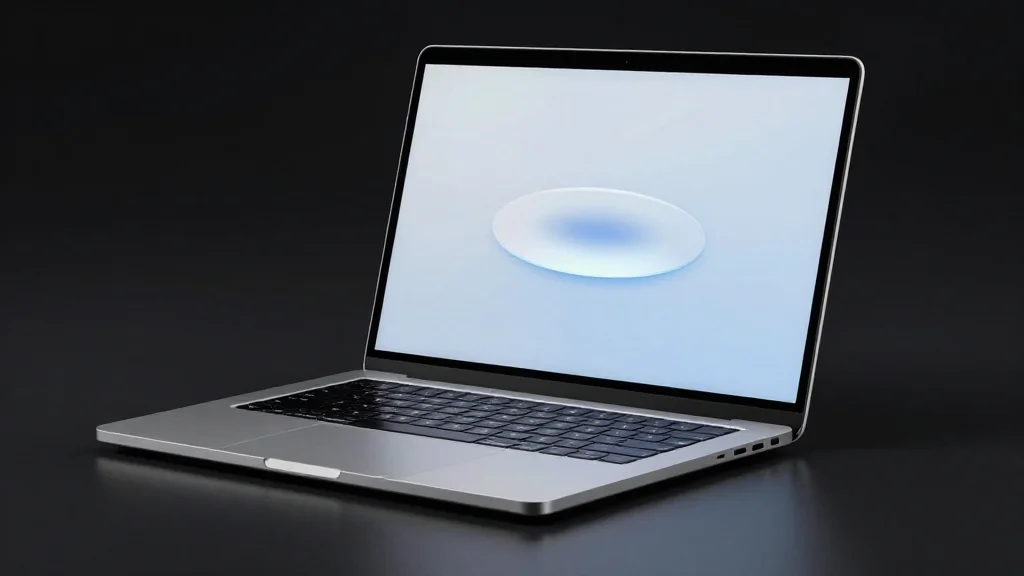
Apple Targets Early 2027 Launch for First MacBook Ultra with OLED Display

Companies Mentioned
Why It Matters
The MacBook Ultra would be the first Apple laptop to combine OLED, touch input and cellular connectivity, blurring the line between traditional laptops and tablets. By introducing Dynamic Island on a macOS device, Apple could redefine how users interact with software, potentially prompting a wave of UI redesigns across the industry. The shift to TSMC’s 2nm process also underscores Apple’s reliance on advanced semiconductor manufacturing to sustain performance gains, a factor that could influence future chip roadmaps for rivals. For consumers, the Ultra promises a more portable, power‑efficient machine that could replace multiple devices for professionals who need high‑resolution displays, reliable internet access and the processing muscle for tasks like video editing, 3D rendering and AI‑assisted workflows. The move may also pressure competitors to accelerate their own OLED and cellular laptop offerings, intensifying competition in the premium segment.
Key Takeaways
- •Apple plans to launch the first MacBook Ultra with a touchscreen OLED display in early 2027.
- •The new notebook will feature Dynamic Island UI and built‑in cellular connectivity.
- •M6 Pro and M6 Max chips, based on TSMC’s 2nm process, will power the Ultra.
- •Launch delayed from late 2026 to early 2027 due to RAM chip pricing and shortages.
- •Pricing is expected to start above $2,500, targeting high‑end professional users.
Pulse Analysis
Apple’s rumored MacBook Ultra represents a strategic pivot that could redefine the premium laptop market. By marrying OLED technology with touch input, Apple is effectively merging the laptop and tablet experiences—a convergence that mirrors the company’s broader ecosystem philosophy. The Dynamic Island, originally a novelty on iPhone, could become a new interaction paradigm on macOS, encouraging developers to rethink UI design for larger screens. If Apple can deliver a seamless, high‑performance experience, it may set a new benchmark that forces Windows OEMs to accelerate OLED adoption and rethink their own UI conventions.
The reliance on TSMC’s 2nm process is equally significant. Apple’s ability to secure early access to the most advanced node gives it a performance and efficiency advantage that rivals may struggle to match without similar fab partnerships. This advantage could translate into longer battery life and thinner chassis—key selling points for mobile professionals. However, the delay caused by RAM shortages highlights a vulnerability in Apple’s supply chain that could affect future product rollouts, especially as the industry faces ongoing component constraints.
Looking ahead, the MacBook Ultra could serve as a launchpad for broader OLED integration across Apple’s hardware lineup, from iPads to future iMacs. Competitors will likely respond with their own OLED‑enabled laptops, potentially sparking a rapid escalation in display quality and interactivity features. For consumers, the Ultra promises a compelling blend of power, portability and connectivity, but the ultimate market impact will hinge on pricing, software optimization and the real‑world performance of the 2nm silicon.
Apple Targets Early 2027 Launch for First MacBook Ultra with OLED Display
Comments
Want to join the conversation?
Loading comments...