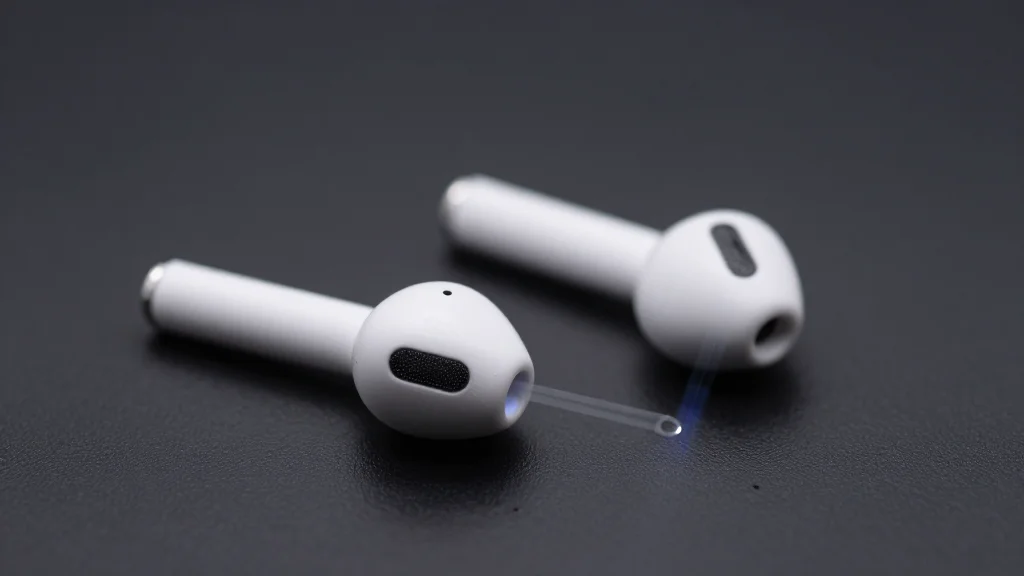
Apple Tests Camera‑enabled AirPods to Give Siri Visual Awareness

Companies Mentioned


Why It Matters
Embedding cameras in AirPods would give Apple a unique data source for training its AI models, potentially narrowing the gap with OpenAI and Google’s multimodal offerings. The move also tests the limits of consumer tolerance for always‑on sensing, a question that could shape regulatory scrutiny and industry standards for wearable privacy. Beyond AI, the feature could unlock new user experiences—hands‑free navigation, contextual shopping assistance, and accessibility tools for the visually impaired. If Apple can deliver these benefits without eroding trust, it may redefine the role of earbuds from passive audio devices to active perception hubs.
Key Takeaways
- •Apple is prototyping AirPods with low‑resolution cameras in the stems.
- •The cameras feed visual data to Siri, enabling location‑based and contextual queries.
- •A small LED will illuminate when visual data is transmitted, aiming to address privacy concerns.
- •Executives worry Siri's vision models aren't ready, and the feature could raise privacy risks.
- •If launched, the camera AirPods could pressure competitors to add vision sensors to their wearables.
Pulse Analysis
Apple’s decision to embed cameras in its flagship earbuds reflects a strategic pivot toward multimodal AI, a space where rivals have already taken early steps. By leveraging the massive installed base of AirPods, Apple can collect visual context at scale, feeding its proprietary models and reducing reliance on external AI partners. This data advantage could accelerate the rollout of more sophisticated Siri features, such as real‑time object recognition and environment‑aware assistance, which have been missing from Apple’s AI narrative.
However, the privacy calculus is delicate. Apple’s brand is built on a narrative of user control, and any perception of covert recording could trigger backlash similar to the early controversies around Google Glass and Meta’s smart glasses. The LED indicator is a minimal safeguard; regulators may demand more robust consent mechanisms, especially as legislation like the EU’s AI Act tightens rules around biometric data. Apple’s internal hesitation suggests it is weighing the competitive edge against potential legal and reputational costs.
From a market perspective, the camera AirPods could catalyze a new wave of sensor‑rich wearables, blurring the line between audio accessories and augmented‑reality devices. Competitors will need to decide whether to follow Apple’s lead, double down on privacy‑first designs, or differentiate with higher‑resolution imaging. The outcome will likely influence the next generation of consumer tech, where the convergence of voice, vision, and context becomes the new battleground for ecosystem lock‑in.
Apple tests camera‑enabled AirPods to give Siri visual awareness
Comments
Want to join the conversation?
Loading comments...