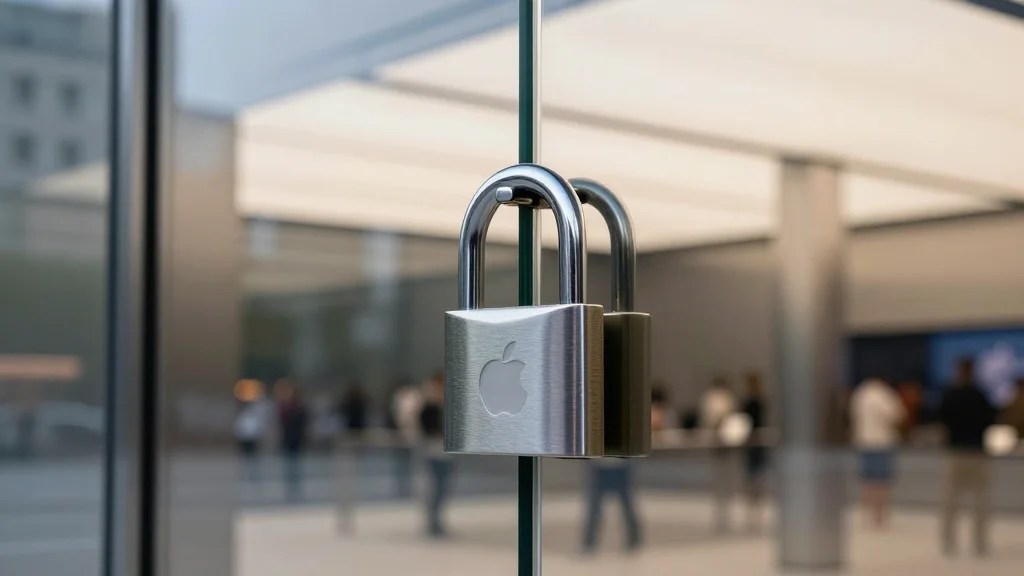
Apple to Close Three Mall Stores, Prompting Outcry From Loyal Customers

Companies Mentioned
Why It Matters
Apple’s retail network is more than a sales channel; it reinforces the brand’s premium image and provides hands‑on support that fuels customer loyalty. Closing three stores signals a strategic shift that could influence how other high‑margin tech retailers allocate physical space in an increasingly digital marketplace. The decision also tests Apple’s ability to balance cost efficiency with the experiential expectations of a user base that expects seamless, in‑person service. If Apple successfully reallocates resources without eroding its NPS or loyalty metrics, it may set a precedent for other consumer‑tech firms to rationalize their storefront footprints. Conversely, a misstep could expose vulnerabilities in Apple’s ecosystem, prompting competitors to capitalize on any perceived service gaps.
Key Takeaways
- •Apple will close three mall stores: Trumbull Mall (CT), Shops at North County (CA), Towson Town Center (MD)
- •Company cites declining mall conditions and retailer departures as reasons
- •Apple stores generate >$5,500 sales per square foot, far above the $325 industry average
- •Apple’s iPhone retention rate is ~92% and loyalty among users remains above 73%
- •Employees will be reassigned or offered open roles; timeline for closures not disclosed
Pulse Analysis
Apple’s retreat from three mall locations reflects a nuanced recalibration of its retail strategy. Historically, Apple’s stores have been cash‑generating powerhouses, delivering sales per square foot that dwarf traditional retailers. By pruning under‑performing sites, Apple can reallocate capital toward high‑impact investments—such as expanding its services portfolio, bolstering supply‑chain resilience, and enhancing its online storefront. This mirrors a broader industry trend where premium brands consolidate physical presence to protect margins while leveraging digital channels for growth.
However, the move also underscores a tension between cost discipline and the experiential value that Apple’s stores provide. The brand’s retail spaces serve as showcase venues, support hubs, and community anchors that reinforce the ecosystem’s stickiness. For a user base with a 92% retention rate, any perceived reduction in service accessibility can trigger vocal backlash, as seen on social media. Apple must therefore ensure that the remaining stores and its digital support infrastructure can absorb the displaced traffic without degrading the customer experience.
Looking ahead, Apple’s decision could accelerate a shift toward a hybrid retail model—fewer but larger flagship stores complemented by robust online and in‑home service offerings. Competitors will watch closely: if Apple maintains its NPS and loyalty metrics post‑closure, it will validate a leaner physical footprint for premium tech brands. If not, the episode could become a cautionary tale about underestimating the intangible value of in‑person brand experiences.
Apple to Close Three Mall Stores, Prompting Outcry from Loyal Customers
Comments
Want to join the conversation?
Loading comments...