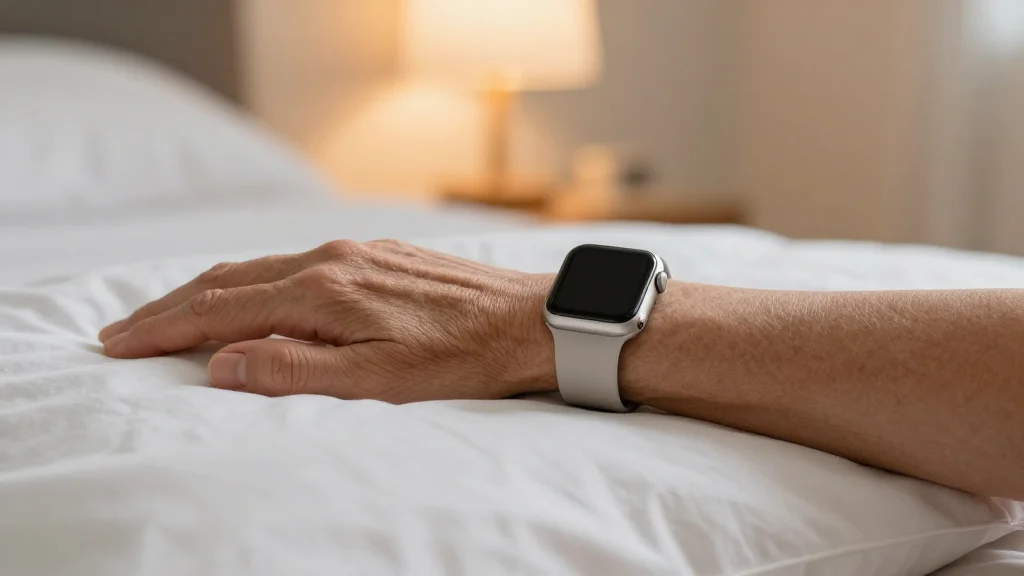
Apple Watch Sleep Score Drops for Users 65+, Doctors Advise Calm

Companies Mentioned
Why It Matters
The adjustment of the Apple Watch sleep score for seniors highlights how consumer devices are becoming more attuned to physiological diversity. As wearables gather richer biometric data, manufacturers must decide whether to present raw numbers or contextualized insights. Apple’s approach could set a precedent for other brands, encouraging them to embed age‑specific algorithms that reduce anxiety and improve health outcomes. For the broader health‑tech ecosystem, this move signals a shift toward preventive care. By normalizing age‑related sleep changes, Apple helps seniors differentiate between benign fragmentation and clinically significant sleep disorders, potentially lowering unnecessary doctor visits while still flagging genuine concerns. The balance between personalization and privacy will remain a key debate as more devices adopt similar demographic calibrations.
Key Takeaways
- •Apple Watch’s sleep score now reflects higher fragmentation for users 65+, lowering overall ratings by up to 20 points.
- •Sleep fragmentation accounts for 20% of the Apple Watch sleep score, measured via brief awakenings and reduced sleep efficiency.
- •Dr. David Garley cites circadian shifts, reduced melatonin after age 55, nocturia, and aches as primary drivers.
- •Apple will add an in‑app tutorial on interpreting age‑adjusted scores in the June watchOS update.
- •The change illustrates a broader industry trend toward demographic‑aware health metrics in consumer wearables.
Pulse Analysis
Apple’s recalibration of the sleep score for seniors is less a product flaw than a strategic pivot toward data contextualization. Historically, wearables have presented a one‑size‑fits‑all metric, which often led to alarm fatigue among older users who saw their scores dip without clear explanation. By embedding age‑specific baselines, Apple not only mitigates user anxiety but also positions itself as a responsible steward of health data, a stance that could fend off regulatory pressure from agencies like the FDA that are increasingly scrutinizing consumer health metrics.
From a market perspective, this move may sharpen Apple’s competitive edge against rivals such as Fitbit and Garmin, whose platforms still rely on generic scoring. If Apple can demonstrate that its nuanced scores lead to better health outcomes—fewer unnecessary doctor visits and higher user satisfaction—it could translate into stronger brand loyalty and higher upgrade rates among the rapidly growing senior demographic, a segment projected to account for 30% of wearable sales by 2028.
Looking ahead, the key challenge will be maintaining transparency while protecting user privacy. As algorithms become more sophisticated, Apple must ensure that the data driving these age‑adjusted scores is not repurposed for advertising or third‑party analytics without explicit consent. Success will hinge on clear communication, robust opt‑in mechanisms, and continued collaboration with medical experts to keep the metrics clinically relevant. If Apple navigates these hurdles, the senior‑focused sleep score could become a benchmark for the next generation of consumer health tech.
Apple Watch Sleep Score Drops for Users 65+, Doctors Advise Calm
Comments
Want to join the conversation?
Loading comments...