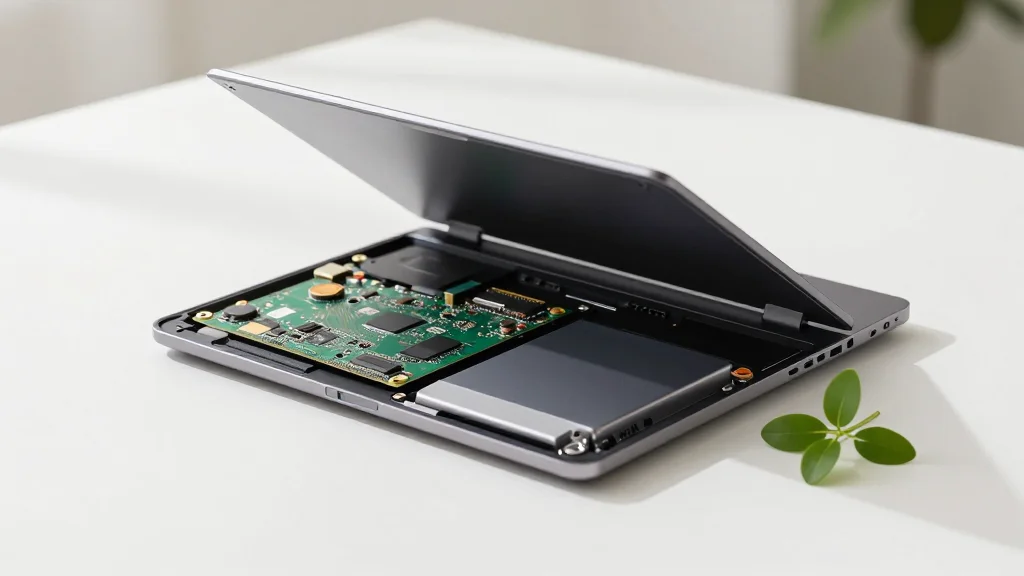
Apple Worst, Asus Best for Laptop Repairability
Why It Matters
Poor repairability inflates total cost of ownership for businesses and hampers sustainability goals, making it a decisive factor in enterprise procurement and PCaaS contracts. The findings also pressure policymakers to adopt transparent repair‑score labeling similar to France’s system.
Key Takeaways
- •Asus tops PIRG repairability ranking, despite a score drop
- •Apple receives the lowest C‑minus rating, trailing Lenovo
- •Enterprises increasingly factor repairability into PCaaS vendor selection
- •Longer device lifecycles push firms toward four‑to‑five‑year refreshes
- •Maintenance contracts can restrict firmware access, limiting repairs
Pulse Analysis
The latest PIRG Education Fund survey underscores a widening gap in laptop repairability, with Asus emerging as the most service‑friendly brand and Apple lagging far behind. While Asus’s score dipped slightly, its design still allows easier component access, a critical metric for right‑to‑repair advocates. Apple’s C‑minus rating reflects not only hardware constraints but also limited software support, reinforcing the perception that premium devices can be costlier to maintain over their lifespan.
For enterprise IT departments, repairability has moved from a peripheral concern to a core procurement criterion. IDC research shows that 88% of respondents view end‑of‑life asset disposition as a pivotal factor when choosing PCaaS providers, and the ability to repair or refurbish devices ranks among the top two decision drivers. Vendors such as Dell, HP and Lenovo are bundling lifecycle services—like Dell Lifecycle Hub and Lenovo xIQ—that leverage telemetry to schedule repairs, extending hardware usefulness to four or five years. This shift aligns with broader sustainability initiatives and helps organizations curb the total cost of ownership.
Policy momentum is building around transparent repair scoring. France’s mandatory repairability label, which forces manufacturers to disclose standardized scores at point of sale, is cited as a model the United States could emulate. Such labeling would empower both consumers and corporate buyers to make informed choices, potentially nudging lagging brands like Apple toward more modular designs. As right‑to‑repair legislation gains traction, the convergence of market demand, enterprise strategy, and regulatory pressure is likely to reshape laptop design priorities in the coming years.
Apple worst, Asus best for laptop repairability
Comments
Want to join the conversation?
Loading comments...