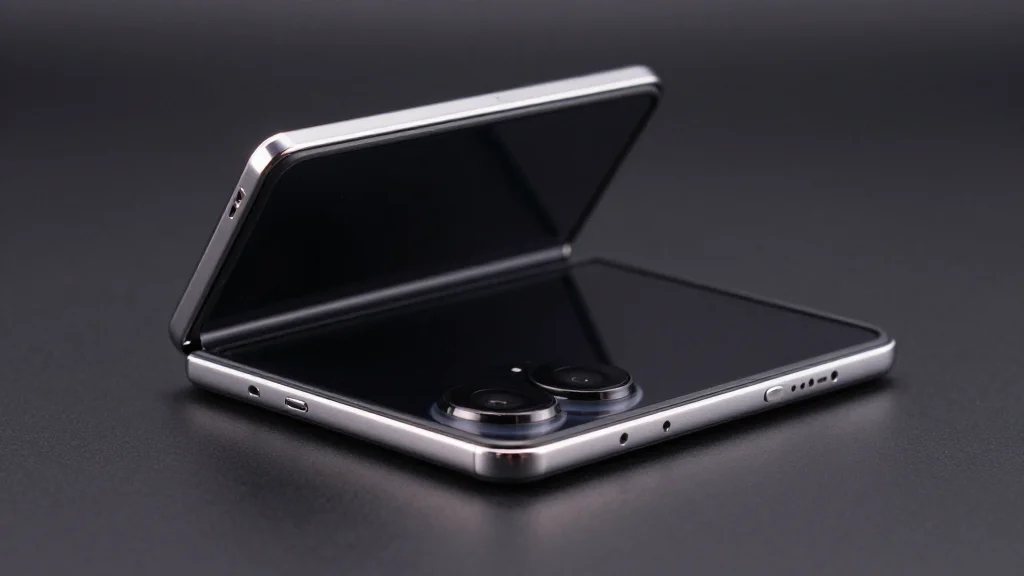
Apple’s First Foldable iPhone Ultra Leaked, Raising Security and Repair Concerns

Companies Mentioned
Why It Matters
The iPhone Ultra foldable could redefine the premium smartphone segment by marrying tablet‑class productivity with pocket‑size convenience. Security concerns unique to a moving hardware platform may push the entire industry toward more dynamic threat models, influencing everything from chip design to operating‑system sandboxing. Additionally, the anticipated repair‑cost premium could accelerate the growth of independent micro‑soldering services, challenging Apple’s historically tight control over post‑sale service. For enterprise customers, a secure, dual‑screen device could enable new workflows—such as simultaneous work‑personal screen usage—while also demanding updated mobile‑device‑management policies. The outcome will shape procurement decisions for large organizations that balance user experience against data‑protection mandates.
Key Takeaways
- •Leaked CAD renders confirm Apple is developing an iPhone Ultra foldable with a clamshell hinge and dual OLED displays.
- •Security experts warn that folding changes the physical relationship of components, potentially exposing the Secure Enclave to EM side‑channel attacks.
- •Thermal imaging shows peak temperatures of 98 °C in folded mode, close to the throttle limit of the rumored A19 Pro chip.
- •Repair costs for foldable displays can exceed 70 % of total repair expense, suggesting a new market for micro‑soldering specialists.
- •Enterprise mobility management tools will need to support split‑persona use cases, prompting updates to Apple’s UserEnrollment framework.
Pulse Analysis
Apple’s entry into the foldable market arrives at a moment when consumer appetite for larger, multitasking‑friendly screens is high, yet confidence in durability and security remains low. Historically, Samsung and Huawei have struggled to convince premium buyers that foldables are worth the price premium, largely because of perceived fragility and repair expense. Apple’s approach—embedding a graphite‑copper shield and targeting a 200k‑fold durability rating—signals an attempt to address those pain points head‑on, but the thermal data suggests a new engineering compromise. If throttling becomes noticeable in real‑world use, the user experience could suffer, eroding the very seamlessness Apple markets.
From a security perspective, the iPhone Ultra forces a paradigm shift. The Secure Enclave has been praised for its static hardware boundary; a foldable device turns that boundary into a variable, effectively turning the phone into a state machine where each physical configuration must be validated. This could spur a wave of research into dynamic hardware attestation, potentially benefiting the broader ecosystem if Apple publishes its mitigation strategies. Competitors will likely follow suit, raising the overall security baseline for foldables.
Finally, the repairability angle may reshape Apple’s service model. The company’s recent emphasis on right‑to‑repair legislation could be tested by the complexity of a foldable’s display assembly. Independent repair shops that master micro‑soldering could capture a sizable niche, pressuring Apple to either open up its supply chain or double down on warranty extensions. The market’s response to Apple’s handling of these issues will be a key indicator of whether foldables become a mainstream premium offering or remain a niche for early adopters.
Apple’s First Foldable iPhone Ultra Leaked, Raising Security and Repair Concerns
Comments
Want to join the conversation?
Loading comments...