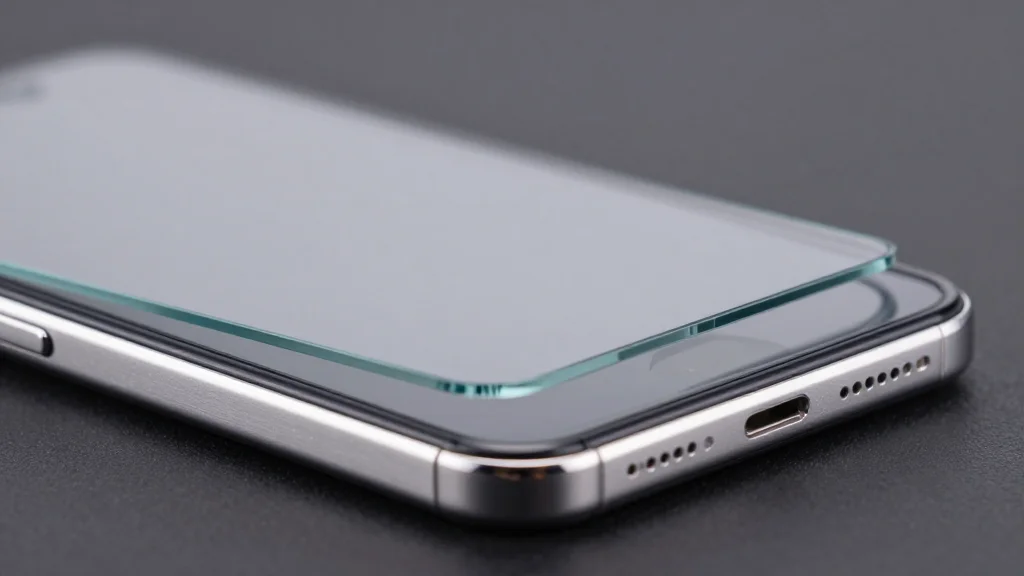
Apple's Foldable iPhone Ultra Aims for Near‑Invisible Crease, Leaks Suggest

Companies Mentioned
Why It Matters
A foldable iPhone that eliminates the visible crease would address the primary consumer complaint that has limited adoption of existing foldables. By leveraging ultra‑thin glass and advanced adhesive technology, Apple could set a new benchmark for durability and aesthetics, forcing rivals to accelerate their own R&D investments. The projected $2,000‑plus price tag also signals that Apple intends to keep the product in the high‑margin premium segment, where brand loyalty can offset higher costs. The launch would further blur the line between smartphones and tablets, expanding the use cases for mobile productivity and media consumption. If successful, the iPhone Ultra could catalyze a wave of app optimization for larger, foldable screens, reshaping the software ecosystem and creating new revenue opportunities for developers and accessory makers.
Key Takeaways
- •Apple's foldable iPhone Ultra is rumored to launch in September 2026 alongside the iPhone 18 Pro series.
- •Supply‑chain leaks claim the crease depth will be under 0.15 mm and the angle below 2.5°, making it virtually invisible.
- •The device is expected to feature a 7.8‑inch inner display, 5.5‑inch outer screen, and a folded thickness of 4.5 mm.
- •Pricing is projected to exceed $2,000, positioning the phone in the ultra‑premium market segment.
- •Apple is reportedly working with Samsung Display on a new OLED panel that combines ultra‑thin glass with advanced optically clear adhesive.
Pulse Analysis
Apple’s entry into foldables could be the industry’s turning point, not because of sheer novelty but due to the company’s relentless focus on eliminating the most visible flaw of current designs: the crease. Samsung and Chinese manufacturers have spent years iterating on hinge mechanics and flexible glass, yet the ridge remains a visual and tactile giveaway that many consumers find off‑putting. By pushing the crease depth below 0.15 mm, Apple is betting that the perceived seamlessness will outweigh the premium price, converting skeptics into early adopters.
Historically, Apple has entered new hardware categories only after establishing a clear advantage—think the Apple Watch’s health ecosystem or AirPods’ seamless integration with iOS. The foldable iPhone Ultra follows that playbook: it leverages Apple’s massive supply‑chain clout to co‑develop a custom OLED panel with Samsung Display, a partnership that could give Apple access to manufacturing techniques unavailable to rivals. If the device lives up to the rumors, it will force competitors to either accelerate their own crease‑reduction research or risk losing market share in the high‑end segment where design perfection is a decisive factor.
From a market perspective, the $2,000‑plus price tag suggests Apple will target power users, creatives, and enterprise customers who value a larger, tablet‑like canvas without carrying two devices. This could spur a new wave of productivity‑focused apps optimized for foldable screens, expanding the software value chain. However, the high cost also limits volume, meaning Apple’s impact will be measured more by brand perception and ecosystem lock‑in than by immediate sales figures. The September launch will be a litmus test: if reviewers confirm a near‑invisible crease and robust durability, the iPhone Ultra could redefine consumer expectations for foldables and set a new premium benchmark for the entire industry.
Apple's Foldable iPhone Ultra Aims for Near‑Invisible Crease, Leaks Suggest
Comments
Want to join the conversation?
Loading comments...