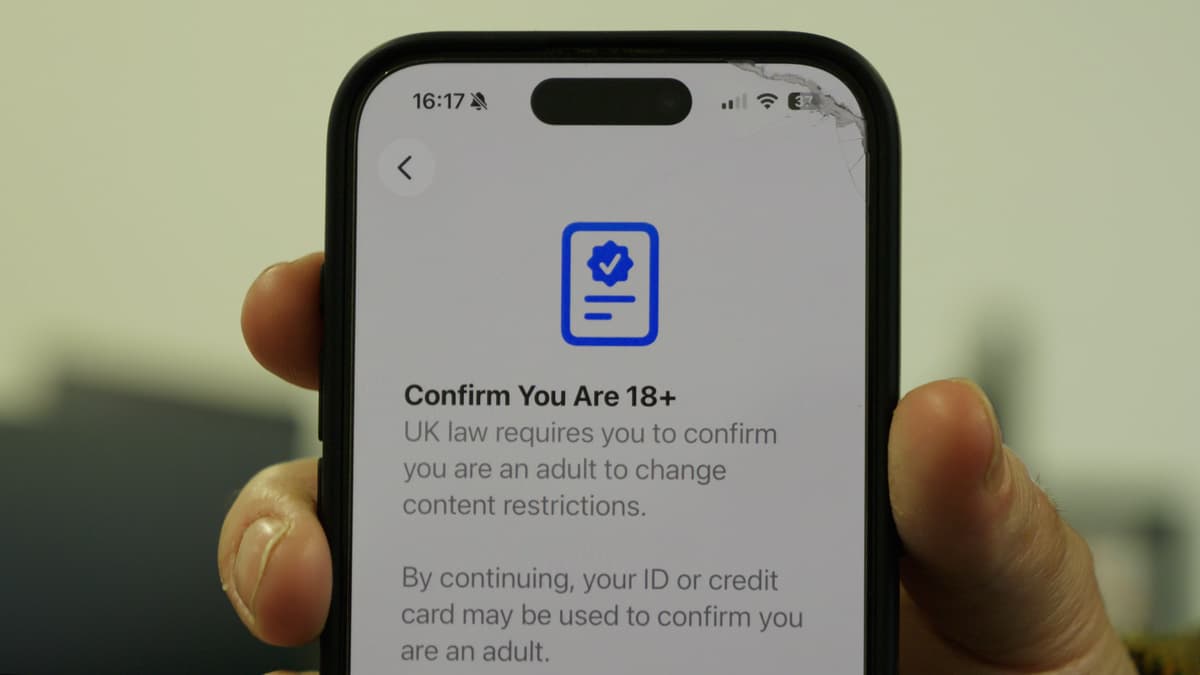
Apple’s New iPhone Update Is Restricting Internet Freedom in the UK
Key Takeaways
- •iOS 26.4 auto‑enables web filtering and AI safety tools UK-wide
- •Age verification accepts credit cards, licences or limited PASS cards, excluding many
- •Feature is Apple‑voluntary, not required by the UK Online Safety Act
- •Mandatory checks may pave way for broader digital ID mandates globally
Pulse Analysis
Apple’s latest iOS 26.4 rollout introduces a sweeping, OS‑level age‑verification system that automatically filters web content and applies AI‑driven safety tools across all browsers and apps on UK iPhones. By making these controls the default, Apple joins a small cohort of jurisdictions—South Korea and Singapore—where governments have pressured tech firms to police online content at the operating‑system layer. The shift marks a departure from traditional, user‑initiated parental controls, raising immediate questions about data collection, consent, and the erosion of a device’s role as an open gateway to the internet.
In the UK, the update arrives despite no statutory requirement under the Online Safety Act 2023 or the Data Protection Act 2018. Those laws target platforms and services, not the underlying operating system. Apple’s voluntary imposition therefore sidesteps legislative intent while creating a de‑facto barrier to unfettered access. Critics warn that normalising mandatory digital‑ID checks could embolden policymakers to pursue a national digital‑ID framework, a proposal that already faces public resistance. The precedent of an OS‑level gatekeeper may also influence future regulations in other democracies, where the balance between child safety and civil liberties remains hotly contested.
From a business perspective, the update risks alienating a substantial segment of Apple’s UK user base. Many adults lack the accepted forms of ID—credit cards, driver’s licences, or PASS cards—leaving them effectively locked out of core services. This exclusion could drive users to delay updates, exposing them to security vulnerabilities that Apple’s patches aim to fix. Moreover, the lack of transparent communication undermines trust, a critical asset for premium brands. Industry observers suggest Apple should pivot to an opt‑in model, preserving parental safeguards without imposing blanket restrictions, thereby protecting both user freedom and the company’s reputation in a market increasingly sensitive to digital‑rights issues.
Apple’s New iPhone Update Is Restricting Internet Freedom in the UK
Comments
Want to join the conversation?