Why It Matters
Vision Pro’s lukewarm performance threatens Apple’s diversification beyond smartphones, while the broader AR/VR sector’s rapid expansion makes the headset’s success critical for future revenue streams.
Key Takeaways
- •Apple’s past NBTs reshaped consumer tech.
- •Vision Pro launched 2023, sales underwhelming.
- •AR/VR market projected $30B by 2027.
- •Competitors like Meta and Microsoft gaining headroom.
- •Apple may pivot to services or wearables.
Pulse Analysis
Apple’s reputation for delivering the Next Big Thing (NBT) has become a cornerstone of its brand identity. From the 1984 Macintosh that democratized personal computing to the 2007 iPhone that redefined mobile interaction, each breakthrough unlocked new ecosystems and revenue streams. This legacy creates high expectations among investors and consumers alike, positioning any new product launch as a potential market catalyst.
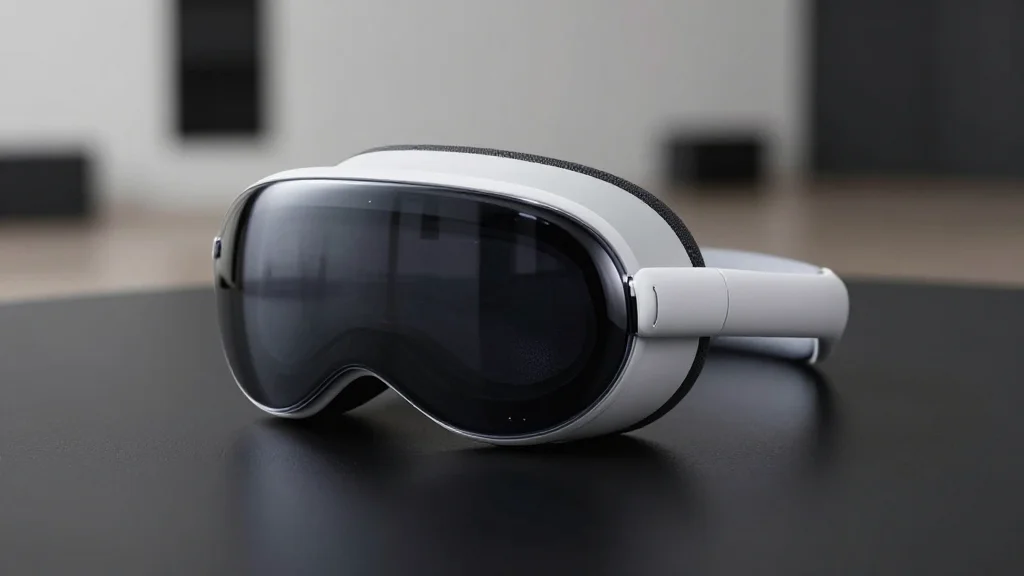
The Vision Pro, priced at $3,499, entered a nascent mixed‑reality market projected to reach roughly $30 billion by 2027. Early adoption has been modest, with analysts citing the headset’s bulk, limited app ecosystem, and steep cost as barriers. Meanwhile, competitors such as Meta’s Quest line and Microsoft’s HoloLens are gaining market share by targeting enterprise use cases and offering lower‑priced consumer options, intensifying pressure on Apple to justify its premium.
If the Vision Pro fails to achieve scale, Apple may recalibrate its strategy toward higher‑margin services and wearable extensions that leverage its existing ecosystem. Subscription revenue from Apple TV+, Fitness+, and iCloud already cushions hardware volatility, and a shift toward health‑focused wearables could align with consumer trends. Investors will watch quarterly earnings closely for signals that Apple is either doubling down on AR/VR innovation or redirecting resources to sustain its growth trajectory.
Apple’s Quest For The NBT
Comments
Want to join the conversation?
Loading comments...