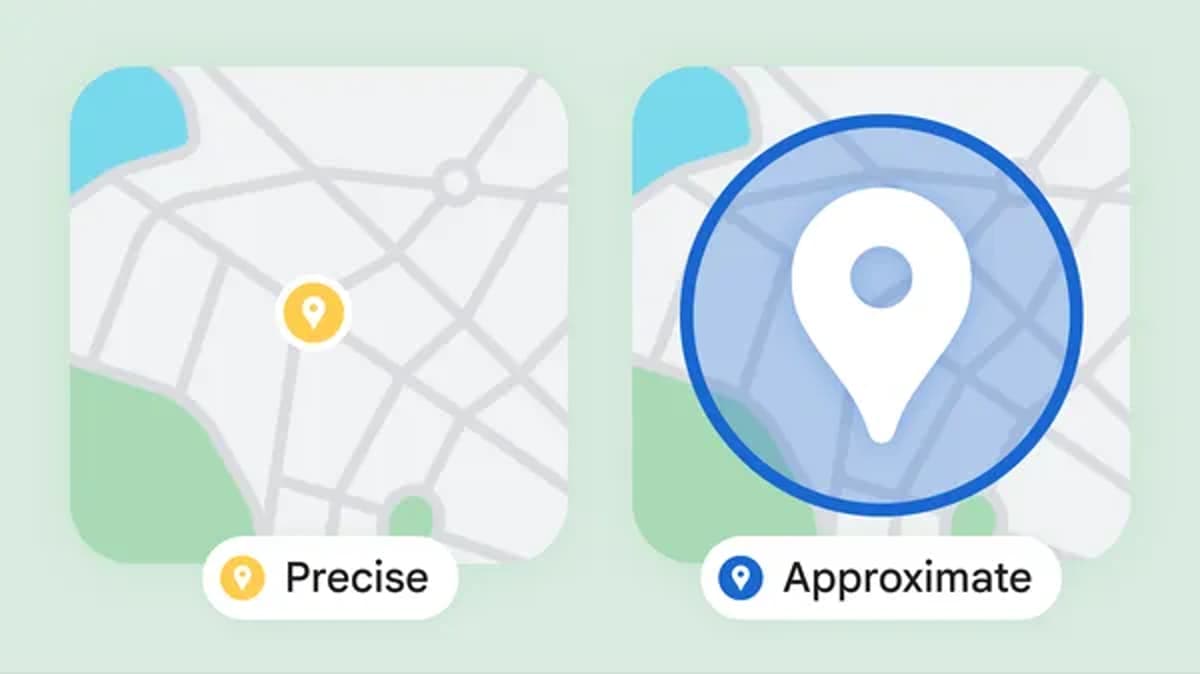
Approximate Location Sharing Gives You More Control over Your Location Data in Chrome.
Why It Matters
The feature strengthens user privacy and aligns Chrome with emerging data‑protection regulations, while giving developers clearer tools to request only the location granularity their services truly need.
Key Takeaways
- •Chrome Android now offers optional approximate location sharing
- •Precise location remains available for navigation and delivery services
- •Developers will receive APIs to request approximate or precise data
- •Feature will roll out to Chrome desktop in coming months
Pulse Analysis
Privacy‑focused browsers are racing to give users more granular control over personal data, and Chrome’s new approximate‑location option marks a significant step for Google. By allowing Android users to share only a general area—sufficient for weather updates or local news—Chrome reduces the exposure of exact coordinates that could be misused. The move also dovetails with global privacy frameworks such as the EU’s GDPR and California’s CCPA, which encourage data minimization and give consumers clearer consent mechanisms.
For web developers, the upcoming APIs represent a practical shift in how location services are built. Instead of a one‑size‑fits‑all request, sites can now declare whether they need precise latitude and longitude or just a broader region. This not only respects user preferences but can also improve performance, lower battery consumption, and reduce server‑side processing. Early adopters are advised to audit their location‑dependent features and downgrade requests wherever possible, preserving precise data only for essential functions like turn‑by‑turn navigation or real‑time delivery tracking.
Looking ahead, Chrome’s rollout to desktop browsers will broaden the privacy impact across all platforms, positioning Google against competitors like Apple’s Safari, which already offers similar approximate‑location controls. As more sites integrate the new APIs, industry standards for location data handling are likely to evolve, prompting a wave of best‑practice guidelines. Ultimately, this initiative could set a benchmark for responsible location use, encouraging a balance between user experience and privacy across the web ecosystem.
Approximate location sharing gives you more control over your location data in Chrome.
Comments
Want to join the conversation?
Loading comments...