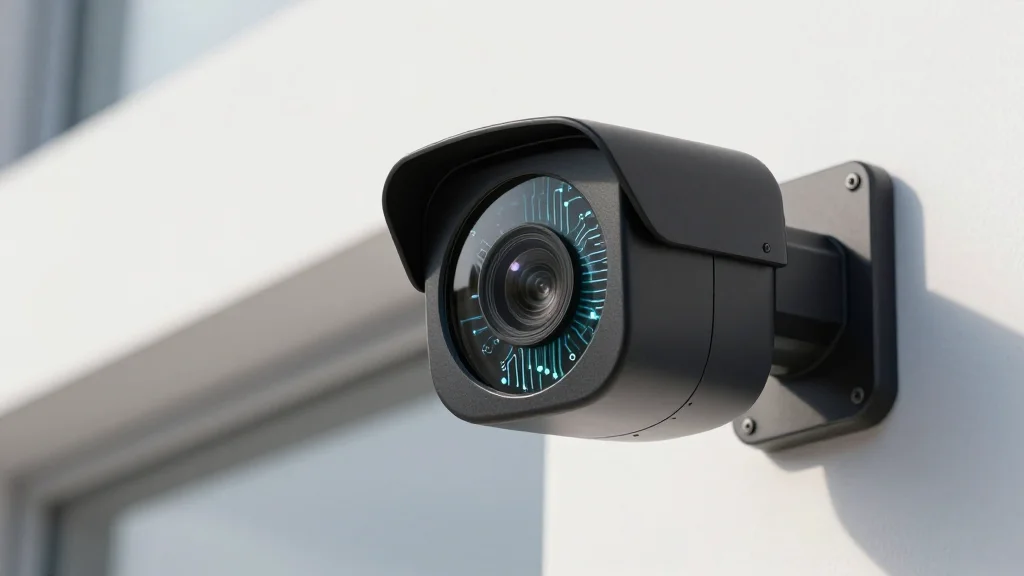
Arlo Technologies Trades at Half Its Fair‑Value as AI‑Driven Services Replace Camera Sales

Companies Mentioned
Why It Matters
Arlo’s pivot highlights a growing consensus that sustainable growth in consumer tech increasingly depends on software and AI services rather than hardware sales alone. By turning its cameras into data collection points for an AI subscription, Arlo is aligning with a higher‑margin, recurring‑revenue model that investors typically reward more generously. The market’s current undervaluation suggests a lag in recognizing this shift, offering a potential arbitrage opportunity for value‑focused investors. If Arlo’s strategy proves successful, it could accelerate a wave of similar transformations among other smart‑home device makers, prompting a re‑assessment of valuation metrics across the sector. The Samsung partnership also signals that large OEMs are willing to outsource AI capabilities, which could reshape competitive dynamics and create new revenue streams for software‑first players.
Key Takeaways
- •Arlo stock trades around $13.50, about 45% below $24 fair‑value estimates
- •Arlo Intelligence powers a subscription platform with AI features like package detection and real‑time alerts
- •January service‑only partnership with Samsung embeds Arlo’s AI into SmartThings for millions of users
- •ARR grew 28% year‑over‑year while the company posted a profit in the latest quarter
- •Analysts’ average price target is $22, implying potential upside of roughly 63% from current price
Pulse Analysis
Arlo’s current market discount reflects a classic valuation lag that often accompanies business model transitions. The company’s hardware legacy anchors investor expectations to low‑margin, cyclical revenue, while its AI‑driven subscription engine promises higher margins and more predictable cash flows. Historically, firms that successfully decouple from hardware—think Apple’s services segment or GoPro’s licensing deals—have seen their multiples expand as the earnings base becomes more stable.
The Samsung deal is a strategic inflection point. By licensing software rather than selling cameras, Arlo taps into Samsung’s massive SmartThings ecosystem without the capital intensity of manufacturing. This model mirrors the broader “platform as a service” trend, where the value lies in data processing and AI insights rather than the physical device. If Arlo can replicate this arrangement with other OEMs, its addressable market could balloon from a niche home‑security segment to the entire smart‑home landscape.
From a risk perspective, the key variables are subscriber churn and the ability to continuously innovate AI features that justify subscription fees. The 28% ARR growth suggests strong demand, but the subscription market is increasingly competitive, with players like Google Nest and Amazon Ring adding AI capabilities. Arlo must maintain a differentiated AI stack to avoid commoditization. Should the company sustain its growth trajectory and secure additional OEM partnerships, the stock’s valuation could realign with analyst targets within the next 12‑18 months, delivering a sizable upside for investors who recognize the shift early.
Arlo Technologies Trades at Half Its Fair‑Value as AI‑Driven Services Replace Camera Sales
Comments
Want to join the conversation?
Loading comments...