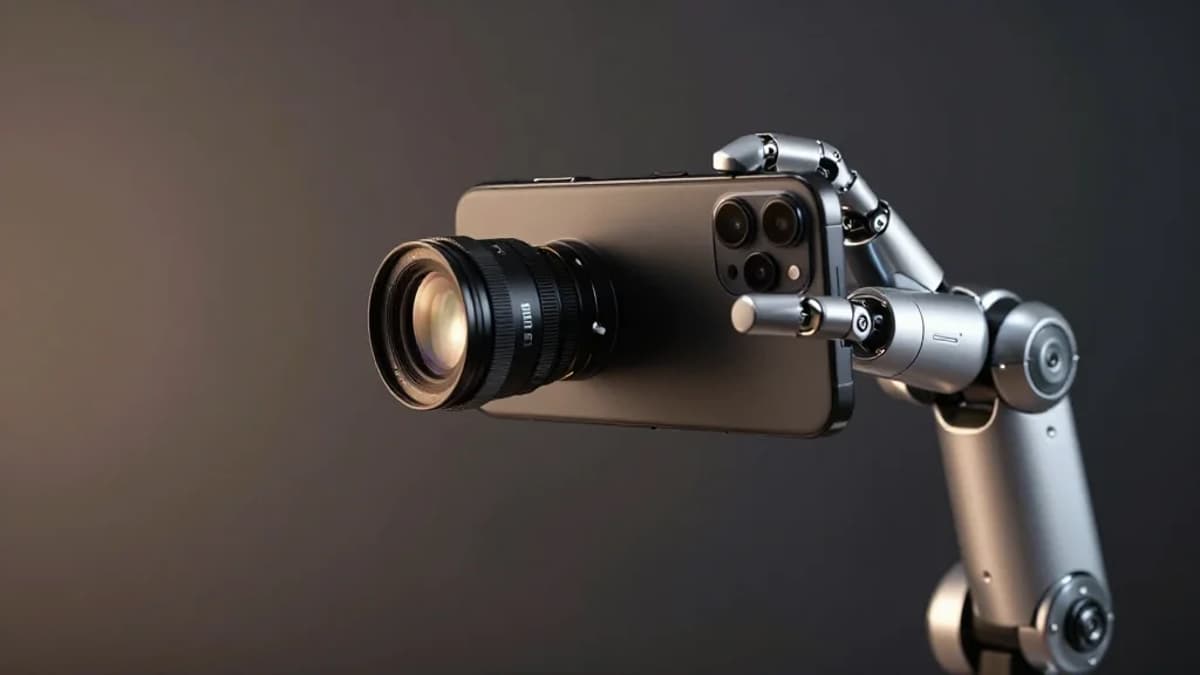
ARRI and HONOR Collaborate to Give Content Creators High-End Cinematic Standards
•March 2, 2026
0
Why It Matters
The alliance narrows the gap between cinema‑grade cameras and smartphones, expanding professional‑level production tools to a broader creator base and reshaping content‑creation economics.
Key Takeaways
- •ARRI and HONOR partner to embed cinema tech in smartphones
- •HONOR ROBOT phone will launch later 2026 with ARRI imaging
- •Core ARRI Image Science principles adapted for mobile sensors
- •Enables creators to use professional workflows on consumer devices
- •Signals convergence of cinema and mobile filmmaking markets
Pulse Analysis
The alliance between ARRI, the German powerhouse behind Hollywood’s most revered lenses, and HONOR, a fast‑growing Chinese smartphone brand, reflects a broader shift toward democratizing high‑end visual storytelling. While cinema cameras have long set the benchmark for colour fidelity, dynamic range, and tonal nuance, today’s smartphones already capture footage that appears in blockbuster credits. By embedding ARRI’s Image Science framework directly into the upcoming HONOR ROBOT device, the partnership promises to narrow the quality gap without sacrificing the convenience and affordability that mobile users expect.
Translating cinema‑grade optics to a pocket‑sized platform is not a simple hardware swap; it requires re‑engineering colour pipelines, highlight roll‑off curves, and depth cues for sensors that are orders of magnitude smaller. ARRI’s MD David Bermbach notes that smartphones operate under strict bandwidth and power limits, so the collaboration focuses on algorithmic fidelity rather than replicating bulky lens assemblies. By leveraging ARRI’s colour science and integrating it with HONOR’s system‑on‑chip processing, the ROBOT phone can deliver natural skin tones, subtle gradient transitions, and a cinematic look that survives professional post‑production grading.
The market impact extends beyond hobbyists; agencies, newsrooms, and independent studios can now shoot on a single device and feed footage straight into ARRI‑compatible editing suites. This convergence accelerates the “mobile‑first” production pipeline, reducing equipment costs and shortening pre‑production timelines. As more creators adopt cinema‑level mobile tools, advertisers and streaming platforms will see a surge in high‑quality, on‑the‑go content, reshaping budgeting models across the industry. Ultimately, the ARRI‑HONOR partnership may set a new standard for what audiences expect from everyday video, blurring the line between amateur and professional cinema.
ARRI and HONOR collaborate to give content creators high-end cinematic standards
0
Comments
Want to join the conversation?
Loading comments...