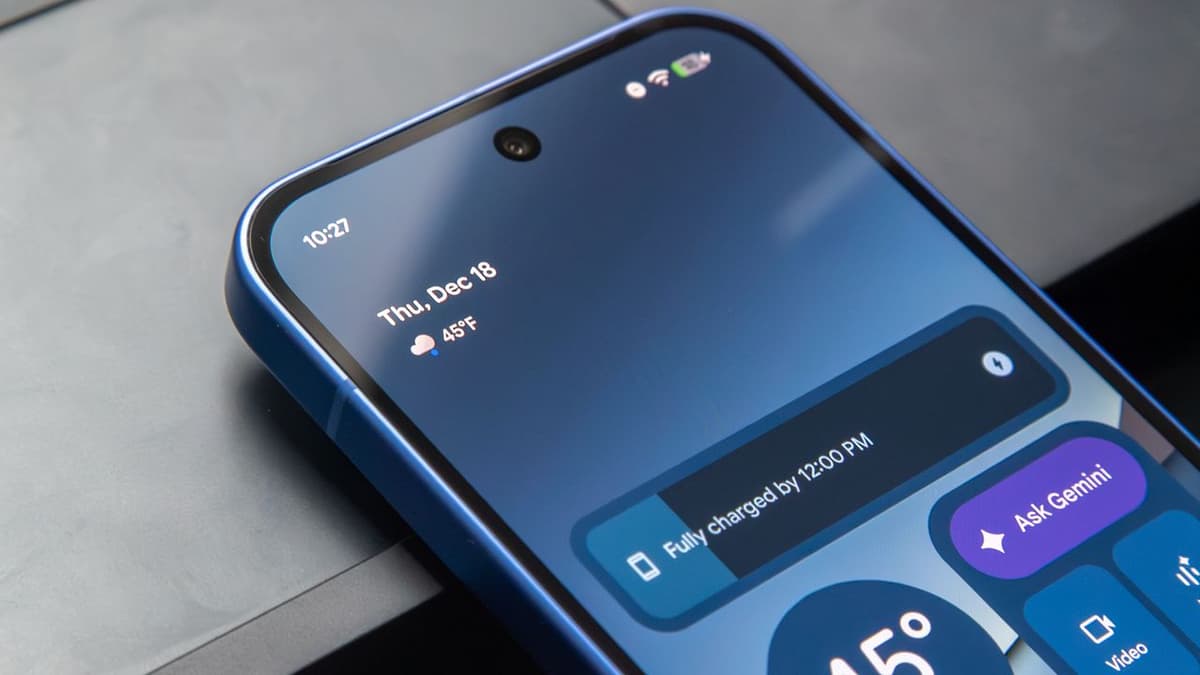
As if We Needed More Problems, Pixel Users Now Struggle with Wonky eSIMs
Companies Mentioned
Why It Matters
The eSIM glitch undermines the convenience of carrier‑less connectivity and could deter consumers from adopting Google’s flagship phones, eroding brand confidence. Timely resolution is crucial for maintaining Pixel’s competitive edge in a market that increasingly relies on embedded SIM technology.
Key Takeaways
- •Pixel 9/10 devices fail to activate eSIMs, showing error messages.
- •Issue persists across carriers; same eSIM works on other phones.
- •Google aware, fix likely in upcoming security patch.
- •April security update also caused battery drain, adding user frustration.
- •Users may need to wait until June for a definitive solution.
Pulse Analysis
Embedded SIMs have become a cornerstone of modern smartphone strategy, offering users the flexibility to switch carriers without swapping physical cards. The recent eSIM malfunction on Pixel 9 and 10 models not only disrupts this convenience but also raises questions about Google’s software validation processes. When a digital SIM fails to activate while functioning on rival devices, the fault points to a firmware or security‑patch interaction rather than carrier incompatibility, highlighting the delicate balance between rapid updates and system stability.
Google’s patch cadence has come under scrutiny after the April security update introduced both a battery‑drain problem and the current eSIM bug. While the company swiftly pledged fixes for battery performance, the eSIM issue remains unaddressed in public changelogs, fueling user frustration. In a competitive ecosystem where Apple and Samsung have largely ironed out eSIM reliability, Google’s setbacks risk eroding consumer trust, especially among early adopters who prioritize seamless connectivity for travel and remote work.
Looking ahead, the industry expects Google to bundle an eSIM fix into the forthcoming May or June security releases, potentially as a silent correction. Users can mitigate impact by retaining physical SIMs or rolling back to earlier firmware versions, though these are temporary workarounds. A prompt, transparent resolution will be essential for restoring confidence and reinforcing Google’s commitment to a fully digital mobile experience, a key differentiator as carriers push broader eSIM adoption worldwide.
As if we needed more problems, Pixel users now struggle with wonky eSIMs
Comments
Want to join the conversation?
Loading comments...