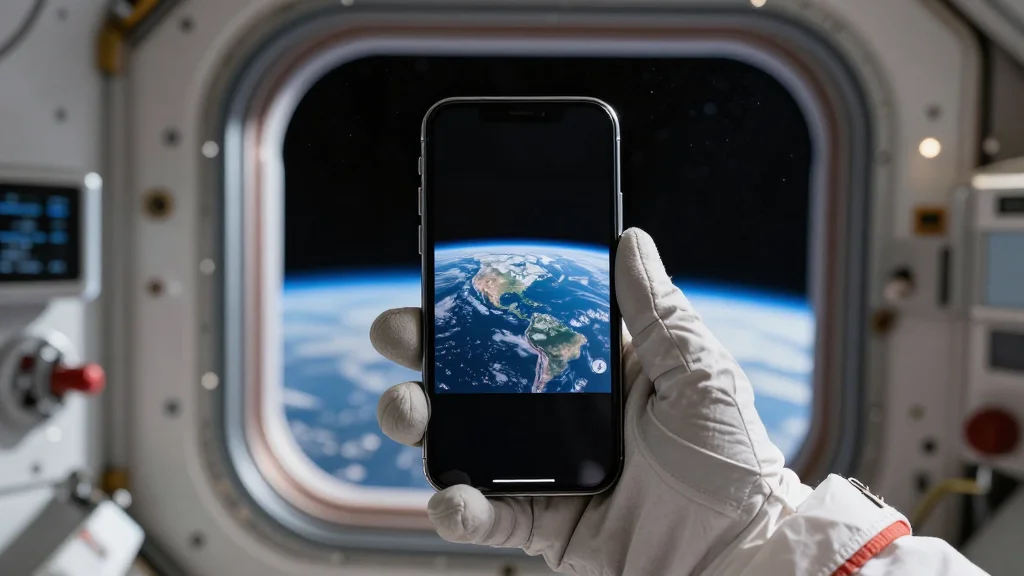
Astronaut Christina Koch Captures Earthshine on iPhone From Orion 54,500 Km Away

Companies Mentioned
Why It Matters
The footage demonstrates that consumer smartphones have matured to a point where they can reliably operate in the extreme conditions of deep space, expanding the toolkit available to astronauts for real‑time documentation and public engagement. This lowers the barrier for future missions to incorporate crowd‑sourced visual content, potentially enriching scientific outreach and education. For the consumer tech industry, the visual of an iPhone floating beside a glowing Earth offers priceless branding value. It showcases Apple’s camera capabilities in a setting few products ever see, reinforcing a narrative of durability and premium imaging that can translate into higher consumer demand and justify premium pricing. The episode may also prompt other manufacturers to seek similar visibility, accelerating a trend where everyday devices become part of the storytelling fabric of space exploration.
Key Takeaways
- •Christina Koch recorded Earthshine video on an iPhone aboard Orion on Artemis II’s second flight day.
- •The spacecraft was approximately 54,500 km (33,800 mi) from Earth when the footage was captured.
- •NASA shared the clip on its Artemis social channels, where it quickly went viral.
- •Analysts note the video provides an inadvertent brand boost for Apple’s iPhone in a historic context.
- •The event underscores a broader shift toward using consumer tech for documentation on deep‑space missions.
Pulse Analysis
Apple’s accidental cameo in Artemis II illustrates a subtle but powerful shift in how space agencies communicate with the public. Historically, mission imagery has been dominated by bespoke, high‑cost cameras built for scientific rigor. By contrast, the iPhone’s presence signals that the line between professional and consumer imaging is eroding, driven by the phone’s ever‑improving sensor technology and software processing. This democratization could lower mission costs for visual documentation, allowing agencies to allocate more resources to scientific payloads.
From a market perspective, the visual association is likely to translate into short‑term brand uplift for Apple, especially among space‑enthusiasts and younger demographics who view the footage on platforms like TikTok and Instagram. The narrative that “the same phone you use daily captured Earth from 54,500 km away” is a potent marketing hook that could spur sales of the latest iPhone models, particularly those emphasizing low‑light performance. Competitors may respond by highlighting their own devices’ durability and camera specs, potentially igniting a new wave of space‑themed advertising campaigns.
Looking ahead, the integration of consumer devices into mission workflows could open doors for data‑sharing partnerships, where footage captured on smartphones is streamed directly to Earth for real‑time public engagement. This would enhance transparency, foster a sense of shared ownership of space exploration, and perhaps even enable crowdsourced analysis of visual data. As Artemis III and subsequent lunar missions approach, we may see formal agreements that embed consumer tech into mission design, turning every astronaut’s pocket gadget into a miniature outreach satellite.
Astronaut Christina Koch Captures Earthshine on iPhone from Orion 54,500 km Away
Comments
Want to join the conversation?
Loading comments...