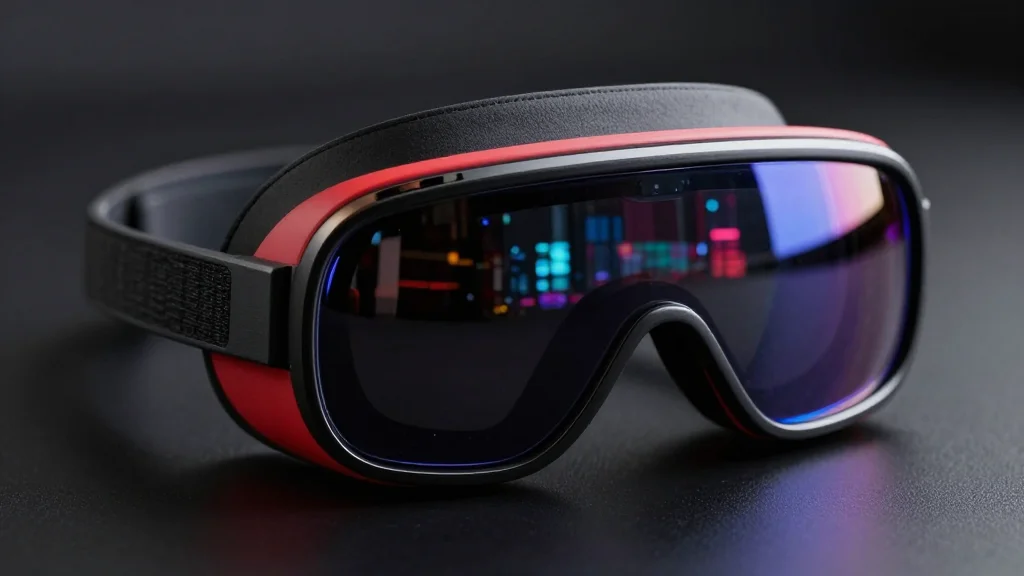
ASUS‑Xreal ROG Xreal R1 AR Glasses Set Summer Release in Europe, North America

Companies Mentioned
Why It Matters
The ROG Xreal R1 represents the first high‑refresh‑rate AR headset from a major PC‑gaming brand, potentially shifting consumer expectations for latency and visual fidelity in immersive experiences. Its compatibility with existing ROG hardware could create a seamless ecosystem that encourages gamers to experiment with AR, expanding the market beyond niche enterprise use. If the device succeeds, it may spur other gaming OEMs to invest in higher‑spec AR hardware, accelerating the convergence of traditional gaming and mixed‑reality content. The launch also tests whether premium pricing can be justified on performance alone, a question that will shape pricing strategies for future consumer AR products.
Key Takeaways
- •Pre‑orders start May 17; summer launch in Europe and North America
- •240 Hz Micro‑OLED display with 0.01 ms response time
- •Virtual screen up to 171 inches, 57° field of view
- •Compatible with ROG Ally handhelds, PCs and consoles
- •Competes with Lenovo Legion Glasses Gen 2 (120 Hz, $249.99)
Pulse Analysis
ASUS’s entry into the AR space leverages the ROG brand’s strong foothold among PC gamers, a demographic that values low latency and high frame rates. By delivering a 240 Hz panel, the ROG Xreal R1 addresses one of the primary criticisms of current consumer AR headsets: motion blur and lag that break immersion. This technical edge could force competitors to accelerate their own refresh‑rate roadmaps, raising the performance bar across the sector.
However, hardware alone will not guarantee market traction. The AR ecosystem remains fragmented, with limited native content and a developer pipeline that is still in its infancy. ASUS will need to nurture partnerships with game studios and possibly provide SDKs that exploit the headset’s unique capabilities, such as ultra‑fast head tracking and Auto Transparency. If the company can bundle compelling experiences at launch, it could create a virtuous cycle where higher adoption fuels more content, further differentiating the ROG Xreal R1 from lower‑spec alternatives.
Pricing will be the decisive factor. While the article does not disclose a price, the implied premium—given the advanced specs—could place the headset above the $300‑$400 range. At that level, the product will likely appeal first to enthusiasts rather than the mass market. Should ASUS adopt a tiered strategy, offering a base model without the optional dock and a premium bundle with accessories, it could capture both early adopters and later‑stage consumers. The next quarter’s pricing announcement will be a key indicator of how aggressively ASUS intends to push AR into mainstream gaming.
ASUS‑Xreal ROG Xreal R1 AR Glasses Set Summer Release in Europe, North America
Comments
Want to join the conversation?
Loading comments...