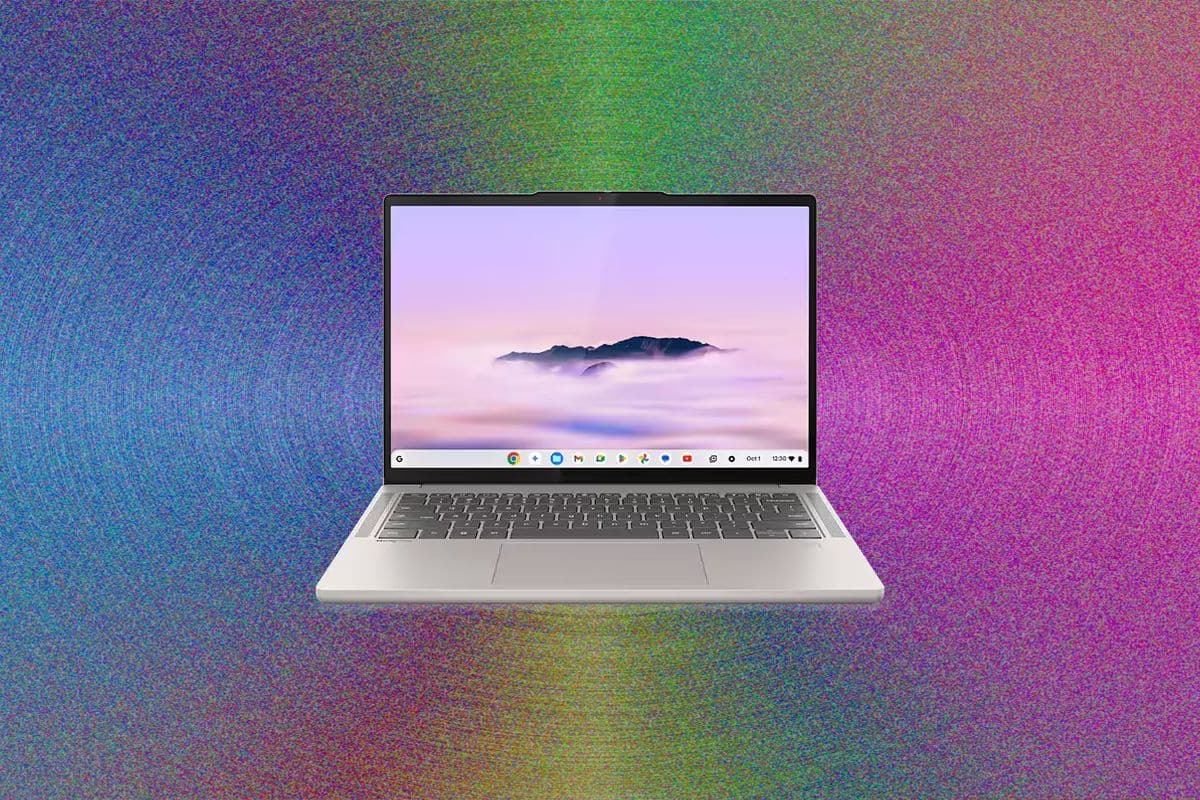
Best Chromebooks (2026): Most Are Bad, but These Aren't
Companies Mentioned
Why It Matters
Chromebooks now offer premium hardware and long‑term OS support at budget‑friendly prices, reshaping the low‑cost laptop market for students, remote workers, and cost‑conscious buyers.
Key Takeaways
- •Lenovo Chromebook Plus 14 offers 16 GB RAM for $649.
- •Acer Spin 514 provides 2‑in‑1 flexibility and extra USB‑A port.
- •Acer Chromebook Plus 516 delivers i3 CPU, 8 GB RAM at $350.
- •Google guarantees 10‑year OS updates for Chromebooks released 2021+.
Pulse Analysis
Chromebooks have quietly evolved from basic web‑only devices into credible contenders in the sub‑$800 laptop segment. With the rise of remote work and cloud‑centric applications, consumers increasingly value long battery life, lightweight design, and seamless integration with Google services. The 2026 lineup shows that premium Chromebook Plus models now match or exceed the specs of entry‑level Windows laptops, offering 8‑16 GB of RAM, fast ARM MediaTek or Intel Core processors, and high‑resolution displays—all while staying under $800. This price‑to‑performance ratio forces manufacturers like Dell and Apple to defend their budget offerings more aggressively.
The Chromebook Plus badge, introduced in late 2023, sets a clear hardware baseline: 12th‑gen Intel Core i3 or AMD Ryzen 3, at least 8 GB RAM, 128 GB storage, and a 1080p webcam with AI‑enhanced video. Models such as Lenovo’s Plus 14 and Acer’s Spin 514 leverage MediaTek’s Kompanio Ultra 910 to deliver smooth multitasking and AI‑driven features like Google AI Pro, which includes Gemini and 2 TB of cloud storage. Coupled with Google’s unprecedented 10‑year automatic‑update policy for devices launched from 2021 onward, these laptops promise longevity that rivals traditional Windows machines, reducing total cost of ownership for schools and enterprises.
Looking ahead, Google’s hinted Aluminium OS could further blur the line between Chromebooks and tablets, offering a unified desktop experience built on Android. While the transition remains speculative, the current ecosystem already benefits from a growing app catalog, Android compatibility, and robust security updates. Buyers should prioritize Chromebook Plus models for future‑proofing, but even sub‑$300 non‑Plus options remain viable for basic web tasks. As the market matures, Chromebooks are poised to become the default choice for budget‑conscious users seeking a secure, cloud‑first laptop that won’t become obsolete in a few years.
Best Chromebooks (2026): Most Are Bad, but These Aren't
Comments
Want to join the conversation?
Loading comments...