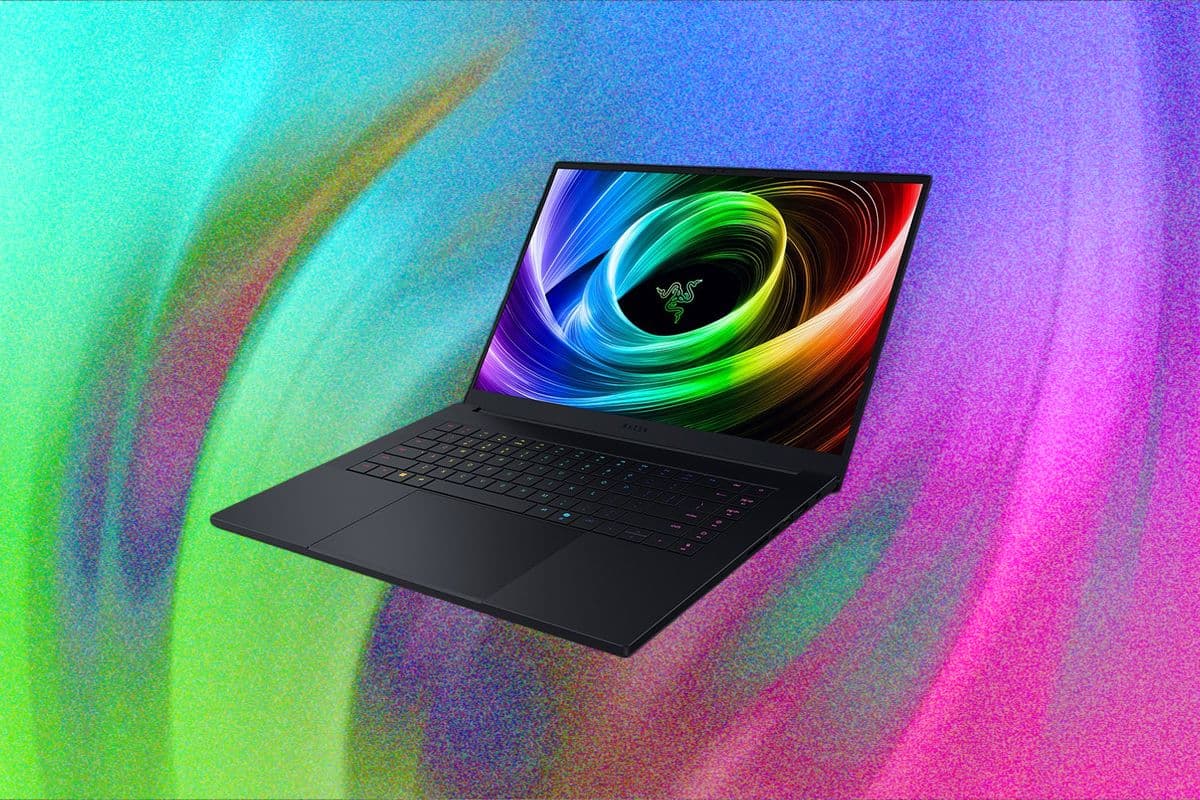
Best Gaming Laptops (2026): Razer, Asus, Dell, and More
Companies Mentioned

Why It Matters
Nvidia’s RTX 50‑series GPUs are redefining the performance‑price curve, pushing desktop‑class gaming into the laptop market and forcing brands to differentiate through design, display technology, and innovative form factors. This shift influences purchasing decisions for both casual gamers and professional creators who need portable power.
Key Takeaways
- •Razer Blade 16 tops performance with RTX 5090, premium price.
- •Lenovo Legion 7i offers OLED >1,000 nits, RTX 5080 options.
- •Acer Nitro V 16 AI starts near $600 with RTX 5050.
- •Asus ROG Flow Z13 introduces 2‑in‑1 gaming tablet design.
- •RTX 50‑series GPUs set price tiers from $1k to $5k.
Pulse Analysis
The gaming‑laptop market in 2026 is being reshaped by Nvidia’s RTX 50‑series, which delivers a quantum leap in rasterization and ray‑tracing performance. Manufacturers that can integrate the RTX 5090 or RTX 5080 into thin chassis are commanding premium pricing, but the payoff is clear: near‑desktop frame rates in titles like *Cyberpunk 2077* and *Starfield* without a desktop rig. This hardware push is also driving ancillary upgrades—DDR5 memory, PCIe 5.0 SSDs, and high‑refresh OLED or mini‑LED panels—creating a virtuous cycle where each component justifies the next.
Consumers now face a well‑defined value ladder. Budget laptops under $1,000, such as the Acer Nitro V 16 AI, sacrifice raw GPU horsepower for affordability, yet they remain capable of 1080p gaming at medium settings. Mid‑range machines between $1,000 and $2,500, like the Lenovo Legion 7i and Asus ROG Strix G16, pair RTX 5060‑5080 GPUs with premium displays, delivering smooth 144 Hz experiences on 1440p panels. High‑end models exceeding $2,500—exemplified by the Razer Blade 16 and MSI Titan 18 HX—offer RTX 5090 graphics, 4K mini‑LED screens, and robust cooling, effectively replacing a desktop for power users willing to pay a premium.
Looking ahead, form‑factor innovation will be a key differentiator. Asus’s 2‑in‑1 ROG Flow Z13 hints at a future where gaming laptops double as creative tablets, while dual‑screen concepts promise expanded real‑estate for multitasking. OLED adoption is becoming mainstream, delivering over 1,000 nits of brightness and near‑instant response times that rival dedicated gaming monitors. Buyers should prioritize a balanced mix of GPU power, display quality, and portability, aligning their spend with intended use—whether that’s competitive esports, mobile content creation, or immersive single‑player experiences.
Best Gaming Laptops (2026): Razer, Asus, Dell, and More
Comments
Want to join the conversation?
Loading comments...