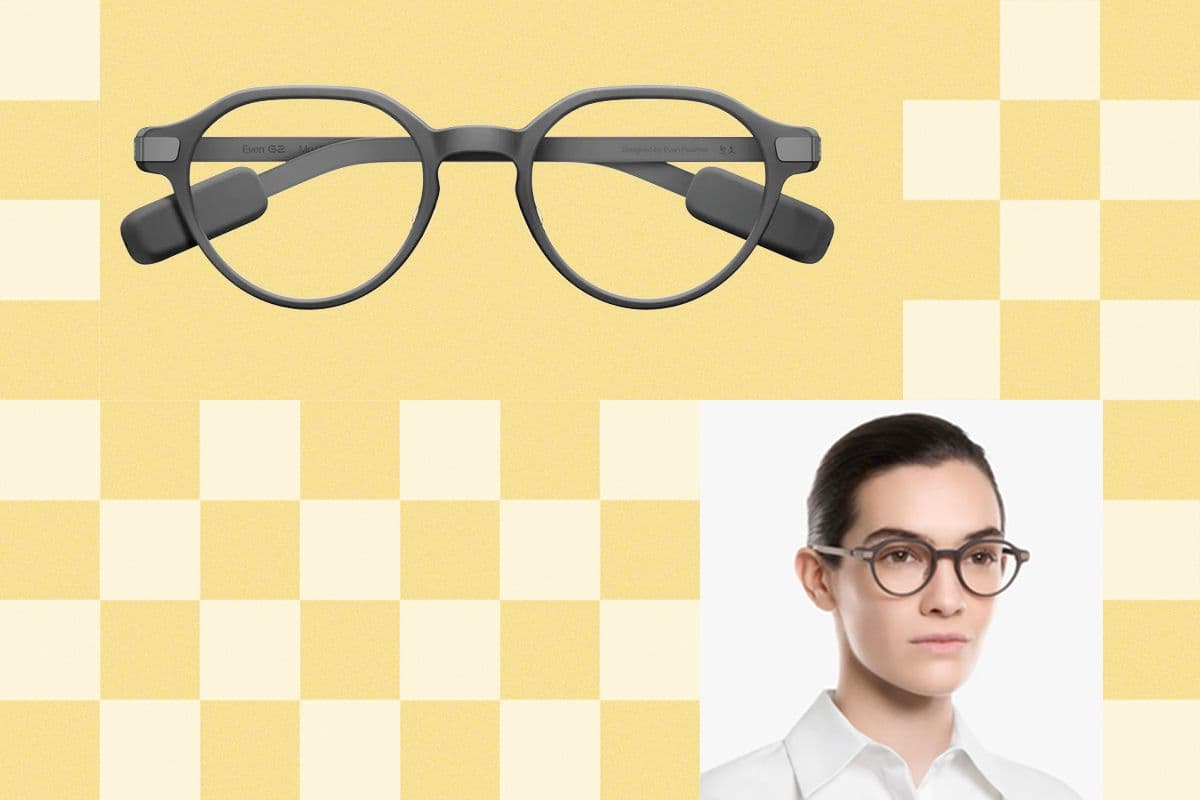
Best Live-Captioning Smart Glasses (2026), WIRED Tested
Why It Matters
Captioning glasses provide a hands‑free alternative to hearing aids, expanding accessibility for the deaf and hard‑of‑hearing while opening a new revenue stream for wearable tech firms. Their performance, pricing, and subscription structures will shape adoption in both consumer and enterprise markets.
Key Takeaways
- •Even Realities G2 priced $599, best overall captioning glasses
- •Battery life ~10 hours, but requires constant internet connection
- •Competing models cost $549‑$699, heavier and need subscription plans
- •Subscription fees range $10‑$50 for minutes, adding up to hundreds annually
Pulse Analysis
The market for live‑captioning eyewear is maturing as speech‑to‑text AI becomes more accurate and affordable. Devices that overlay subtitles directly onto a lens address a niche that traditional hearing aids cannot, offering visual cues in noisy environments, multilingual settings, and even silent video playback. Early adopters include professionals who need real‑time note‑taking and travelers navigating foreign conversations. As AI models improve, manufacturers are bundling additional services—such as contextual summaries and HUD widgets—turning a simple accessibility tool into a broader productivity platform.
Even Realities’ G2 model distinguishes itself with a sleek form factor, 43‑gram frame, and integrated AI features that eliminate the need for a separate subscription. Its 10‑hour battery, supported by a charging case that provides seven full recharges, is competitive, though the reliance on constant internet connectivity limits offline utility. Priced at $599, the G2 undercuts premium rivals while delivering 35 language translations and an expandable ecosystem via the Even Hub. Competing glasses from Leion, XRAI, AirCaps and Captify add weight, shorter battery life, or subscription fees ranging from $10 to $50 per month, making the total cost of ownership substantially higher over time.
For the hearing‑impaired community, these glasses represent a shift from purely auditory assistance to multimodal communication. Enterprises are also eyeing the technology for inclusive meetings, where live captions can be archived for compliance and accessibility. However, the need for a stable data connection and the ergonomic challenges of heavier frames may slow widespread adoption. Future iterations are likely to focus on offline processing, lighter materials, and tighter integration with health‑tracking wearables, positioning captioning glasses as a cornerstone of the next generation of assistive smart eyewear.
Best Live-Captioning Smart Glasses (2026), WIRED tested
Comments
Want to join the conversation?
Loading comments...